Table of Contents
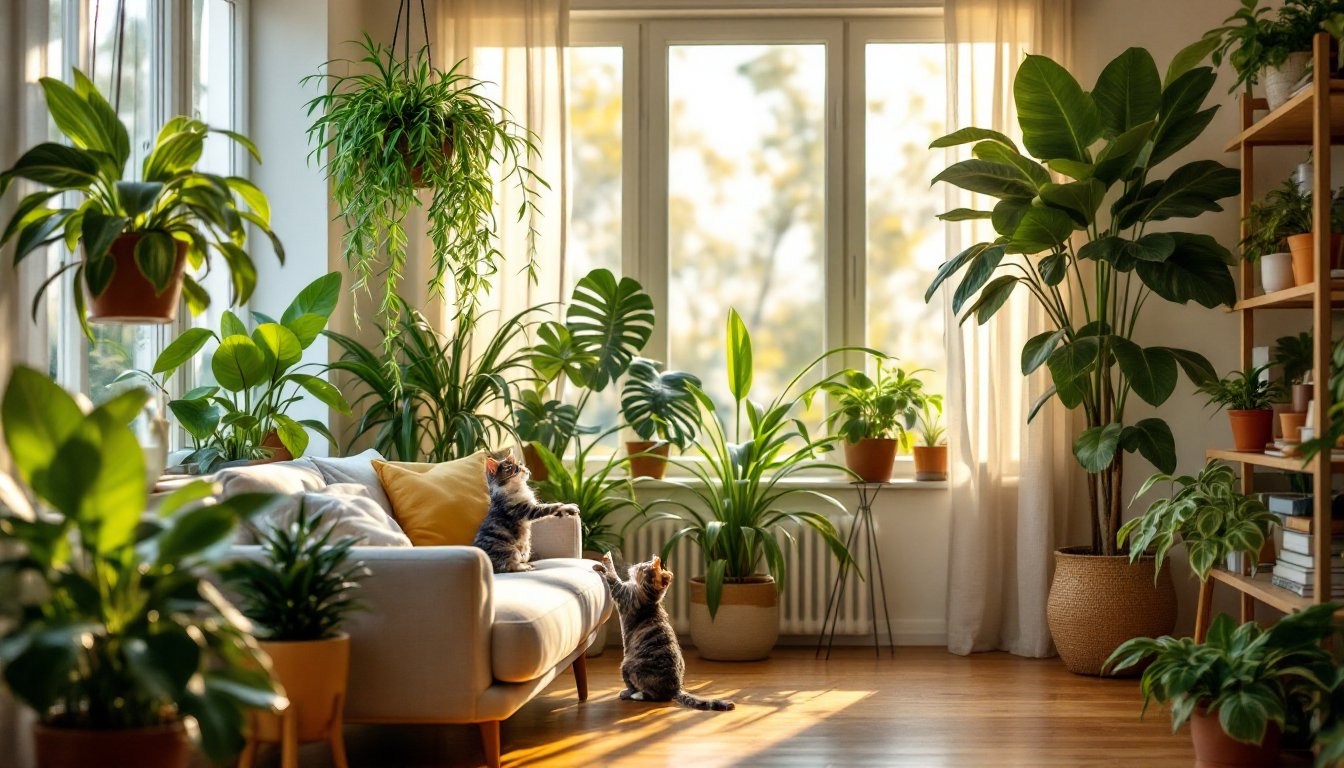
ToggleIf you’re a cat owner who loves plants, you’ve probably wondered whether your green thumb and your feline friend can coexist peacefully. The good news: they absolutely can. Finding non-toxic houseplants for cats is simpler than you might think, and the selection has never been better. This guide walks you through 15 safe plant varieties that’ll brighten your home without putting your kitty at risk. Whether you’re after low-maintenance greenery or something with more visual impact, you’ll find options that fit your space and your cat’s curious nature. Let’s dig in and build a truly cat-friendly indoor garden.
Key Takeaways
- Non-toxic houseplants for cats are essential because cats are vulnerable to plant toxins due to their obligate carnivore digestive systems, and even small amounts of certain plants can cause serious health issues.
- The 15 safest cat-friendly indoor plants include spider plants, Boston ferns, parlor palms, calatheas, and air plants, all confirmed non-toxic and suitable for various light and care requirements.
- Low-maintenance non-toxic plants like spider plants, ponytail palms, and haworthia are ideal for busy cat owners since they tolerate neglect and irregular watering far better than fussy varieties.
- Toxic plants to avoid include lilies, sago palms, dieffenbachia, philodendrons, and oleander—plants that can cause kidney failure, liver damage, or severe oral irritation in cats.
- Proper placement on elevated surfaces, quality drainage soil, and consistent watering routines protect both your cat’s safety and your plants’ health when creating a cat-safe indoor garden.
Why Cat Safety Matters When Choosing Indoor Plants
Cats are natural explorers, they’ll sniff, bat at, and occasionally nibble on plants around your home. Unlike dogs, cats are obligate carnivores with digestive systems less equipped to process plant material, making them more vulnerable to plant toxins. Even a small amount of certain plants can cause vomiting, diarrhea, drooling, or more serious issues depending on the species and the cat’s age and health.
According to experts, plant toxicity to pets involves multiple factors: the plant type, quantity ingested, and individual sensitivity. A plant marked as toxic doesn’t mean one chewed leaf will kill your cat, but the risk isn’t worth taking when so many genuinely safe options exist. The ASPCA Animal Poison Control Center logs hundreds of cat plant-related calls annually, most preventable by simply choosing the right greenery.
Choosing non-toxic plants isn’t about limiting your decor. It’s about peace of mind. You get to enjoy lush foliage and vibrant colors while your cat remains safe exploring indoors.
Best Non-Toxic Plants For Cats
Here are 15 houseplants confirmed safe for cats:
Spider Plant – Nearly indestructible and forgiving of neglect, spider plants produce trailing arcs of green and white foliage. They’re pet-safe, adaptable to low light, and produce “babies” you can propagate endlessly. Cats enjoy batting at the dangling leaves, making them a win-win choice.
Boston Fern – This feathery, delicate-looking plant is completely safe and thrives in indirect light and humidity. It needs more attention than a spider plant but rewards consistency with lush growth. Place it on a pedestal or hanging planter to keep it away from water bowls.
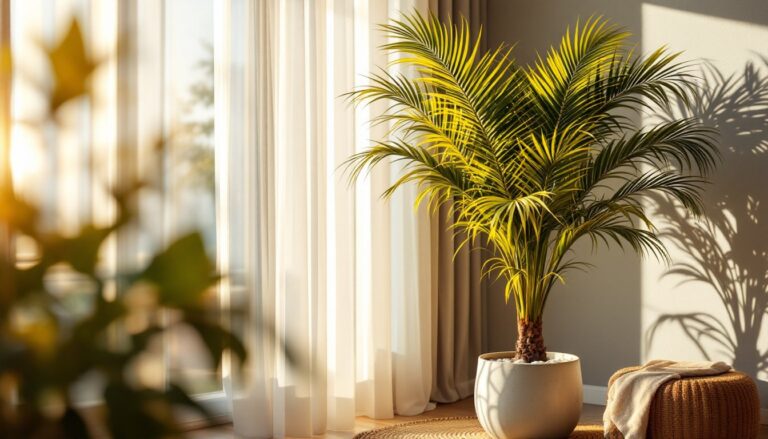
Parlor Palm – A slow-growing tropical option that adds height and dimension to any room. Non-toxic, elegant, and tolerant of moderate light. It’s pricier than some options but lasts for years.
Calathea – Known for dramatically patterned leaves, calatheas are safe for cats and add serious visual interest. They prefer consistent moisture and filtered light but don’t require expert care. The leaf patterns practically draw eyes across the room.
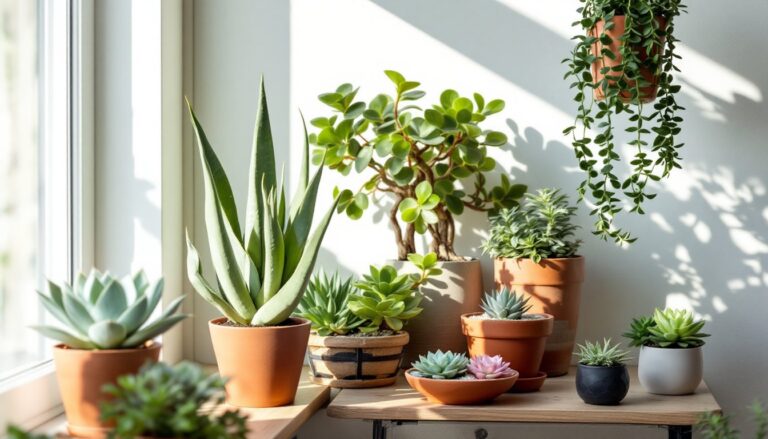
Haworthia – A compact succulent with striped rosettes and minimal watering needs. Perfect for small spaces or desks. Common Succulent House Plants include this tough little grower, and cats typically ignore it.
African Violet – These fuzzy-leafed bloomers come in purple, pink, white, and bi-colors. They’re cat-safe and flower reliably indoors with bright, indirect light. Keep leaves dry to prevent spotting and fungal issues.
Bamboo Palm – A tall, architectural plant that works in corners or against walls. Non-toxic, slow-growing, and tolerant of lower light than many palms. Grows to 6–10 feet indoors if given time.
Peperomia – A petite, compact houseplant with thick, attractive foliage in green, red, or variegated patterns. Minimal watering, excellent for shelves or desks, and completely safe for cats.
Air Plant (Tillandsia) – These unique, soilless plants absorb moisture through their leaves and require no potting or soil. They’re safe, conversation-starting, and work beautifully in glass terrariums or hanging mounts.
Areca Palm – A graceful, tropical option that grows tall and wide. Cat-safe, slower-growing indoors, and does best with bright, indirect light. The feathery fronds add movement and elegance.
Christmas Cactus – A forgiving succulent with segmented leaves that blooms around the holidays with pink, red, or white flowers. Safe for cats and nearly impossible to kill with normal household care.
Ponytail Palm – Even though its name, not a true palm. Features a bulbous trunk and long, thin foliage. Extremely drought-tolerant, cat-safe, and adds a unique sculptural element.
Maidenhair Fern – Delicate, feathery fronds with a soft, feminine appeal. Non-toxic and safe for cats, though it prefers consistent humidity. Mist regularly or place in a bathroom for best results.
Prayer Plant (Maranta) – Stunning striped or spotted foliage that folds up at night (hence the name). Pet-safe, compact, and thrives in moderate indirect light with consistent moisture.
Ruffled Fan Palm – Another tall, dramatic option with deeply cut fronds. Safe for cats, slow-growing indoors, and works beautifully as a room divider or statement plant.
Low-Maintenance Varieties For Busy Pet Owners
Not every cat owner has time for fussy plants. If you want greenery without daily tending, focus on these forgiving picks:
Spider Plant, Ponytail Palm, and Haworthia top the low-maintenance list. Water spider plants every 1–2 weeks, ponytail palms every 2–3 weeks (they store water in their base), and haworthia sparingly, allow soil to dry between watering. All three tolerate neglect far better than most houseplants. Peperomia and Christmas Cactus also rank high for forgiveness: overwatering is more dangerous for them than underwatering, so if you’re the “forget to water” type, they’re ideal.
When choosing low-maintenance non-toxic plants for cats, prioritize those that handle variable light and irregular watering. Avoid anything requiring constant humidity, frequent feeding, or finicky light levels, those demand attention you might not always have.
Plants To Avoid If You Have Cats
Knowing what’s safe means nothing without knowing what’s dangerous. These plants are toxic to cats and should never be brought into a cat-owning household:
Lilies – Extremely toxic: even tiny amounts of pollen or leaf material can cause kidney failure in cats. This includes Easter lilies, tiger lilies, Asiatic lilies, and Oriental lilies. If you receive lilies as a gift, give them away immediately.
Sago Palm – Even though resembling safe palm varieties, sago palms contain a toxin that causes severe liver damage. Don’t confuse it with parlor or areca palms, which are safe.
Dieffenbachia – Also called “dumb cane,” this popular houseplant contains calcium oxalates that cause oral irritation, excessive drooling, and difficulty swallowing.
Oleander – Beautiful, but highly toxic. All parts of the plant, leaves, flowers, bark, and roots, are poisonous.
Philodendron and Monstera – These climbing favorites contain oxalates that cause mouth and throat irritation, vomiting, and difficulty swallowing in cats. Don’t assume that because they’re everywhere they’re safe.
Tulips and Daffodils – Spring bulbs that are toxic to cats, especially the bulbs themselves. Avoid having these around during planting season.
Azalea and Rhododendron – Ornamental flowering shrubs that cause vomiting, diarrhea, and abdominal pain. Sometimes given as potted plants indoors, keep them out.
Yew – A poisonous shrub sometimes used in holiday decorations. Extremely toxic: even small amounts are dangerous.
Many house plants poisonous to dogs overlap with cat toxins, so if you have both pets, your safest bet is sticking exclusively to the non-toxic list above. When in doubt, consult the ASPCA or call your vet before bringing any new plant home.
Creating A Cat-Safe Indoor Garden Setup
Once you’ve chosen your plants, placement and care matter just as much as species selection.
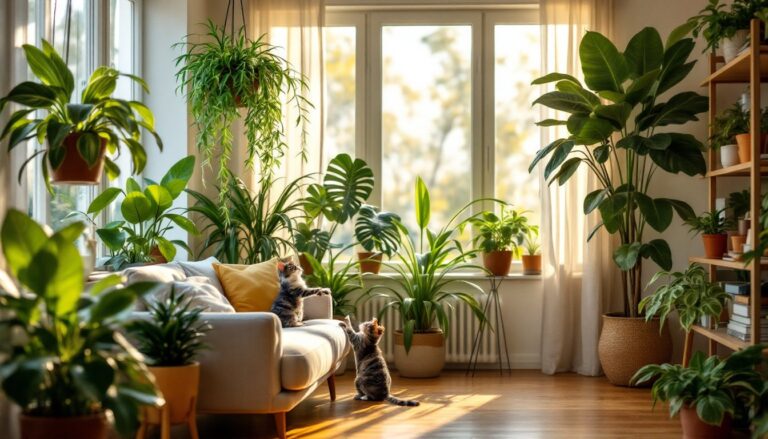
Placement Strategy – Keep lower-light lovers (spider plant, peperomia, prayer plant) on shelves, desks, and side tables. Taller varieties like palms and parlor plants work in corners or beside furniture where cats are less likely to jump directly into them. Consider hanging planters or wall-mounted shelves to keep trailing plants (like ferns) out of direct reach, though cats can still access them if determined. Placing plants on elevated surfaces discourages many cats from nibbling while also showcasing foliage beautifully.
Soil and Drainage – Use quality potting soil with perlite for drainage: poor drainage leads to root rot, which invites fungus gnats and mold. Well-draining soil also means you’re less likely to overwater, a common mistake. Ensure pots have drainage holes: soggy soil is the enemy of most non-toxic houseplants. If you’re concerned about water on hardwood floors, use plant saucers or place pots on waterproof trays.
Watering and Feeding – Overwatering kills more houseplants than underwatering. Stick your finger 1 inch into the soil: if it feels dry, water. If it’s moist, wait. Spider plants, haworthia, and succulents prefer to dry out between waterings. Ferns and calatheas like consistent moisture but not soggy conditions. Use room-temperature water and water at the base of the plant, not the foliage. Feed during the growing season (spring and summer) with diluted liquid fertilizer every 2–4 weeks. Never feed in fall or winter when growth naturally slows.
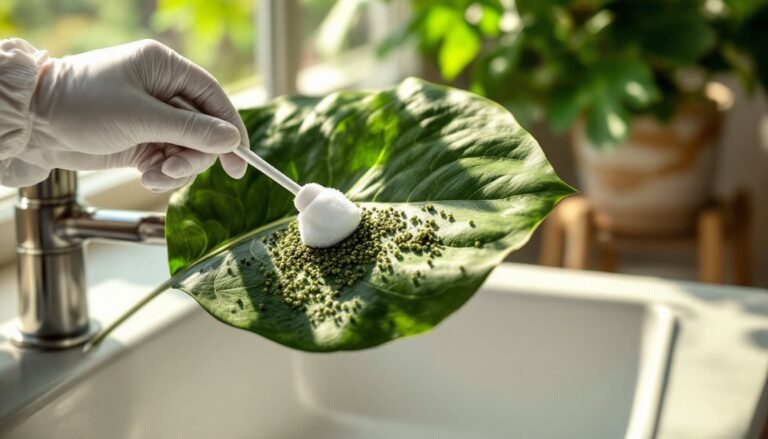
Pest Prevention – Indoor plants occasionally attract gnats from house plants. These thrive in consistently moist soil, so proper watering prevents them. If gnats appear, allow soil to dry slightly between waterings and use sticky traps. Insecticidal soap works too, but ensure it’s cat-safe and apply only as directed. Inspect new plants before bringing them home: pests hide in soil and on leaf undersides.
Monitoring Plant Health – Check foliage weekly for yellowing, brown tips, or pest damage. Dust broad-leafed plants monthly with a soft cloth and room-temperature water to maximize photosynthesis and keep them looking fresh. Remove dead leaves promptly: decaying plant material invites problems. When a plant isn’t thriving, diagnose the issue (light, water, humidity, or pests) rather than assuming it’s dying. Most cat-safe plants bounce back quickly once you solve the problem.
Conclusion
Building a cat-safe indoor garden is entirely achievable with the right plant selections and setup. The 15 varieties here offer proven safety, diverse visual appeal, and varying care requirements, meaning there’s something for every space and skill level. From trailing spider plants to dramatic palms, you’ll create a vibrant, green home your cat can explore without risk. Start with one or two forgiving varieties, master their care, then expand. Your feline friend and your indoor oasis can absolutely thrive together.