Table of Contents
ToggleTropical vibes don’t require a plane ticket. Indoor palm plants bring warmth, height, and lush greenery to any room without the humidity of actual Florida. Whether you’re filling a dim corner or brightening a sun-soaked living room, house palm plants are among the most forgiving and visually rewarding houseplants available. They work as statement pieces that fill vertical space, improve air quality, and genuinely make a home feel more inviting. Best part? You don’t need a tropical climate or a green thumb to keep them thriving. This guide covers the practical essentials: which varieties work for beginners, what light and water they actually need, and how to avoid common mistakes that turn promising palms into sad, droopy sticks.
Key Takeaways
- Indoor palm plants thrive in beginner-friendly conditions without requiring intense sunlight or constant watering, making them ideal for busy homeowners.
- Areca and bamboo palms are the most forgiving varieties for beginners, tolerating lower light and occasional neglect better than finicky houseplants.
- The most common mistake with indoor palm plants is overwatering; check soil moisture before watering and let the top 1–2 inches dry between waterings.
- Humidity above 50% prevents brown leaf tips on majesty and parlor palms—weekly misting or pebble trays filled with water help replicate tropical conditions.
- Indoor palm plants improve air quality by filtering toxins like benzene and xylene, while their vertical growth fills wall space and makes rooms feel larger.
- Use well-draining, palm-specific potting soil and fertilize only during spring and summer to avoid salt buildup and root rot.
Why Indoor Palms Are Perfect for Home Decor
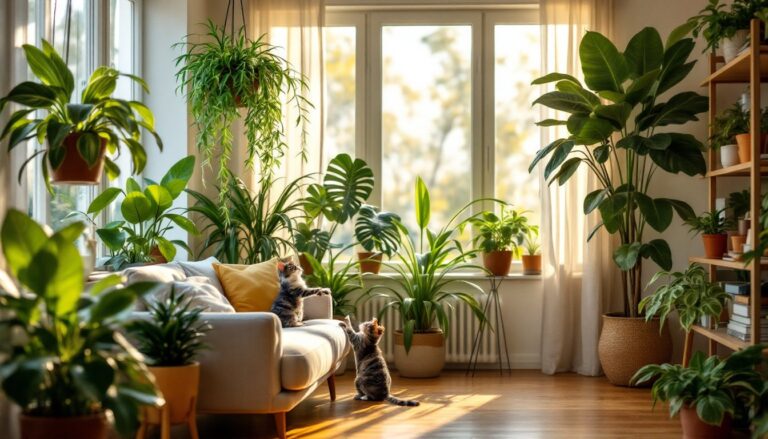
Indoor palm plants stand out for a few practical reasons beyond aesthetics. First, they’re tall. Most palms grow vertically without spreading too wide, making them ideal for corners, hallways, or beside bedroom windows where floor space is tight. That vertical growth fills blank wall space and draws the eye upward, making rooms feel larger.
Second, palms improve air quality. They filter toxins like benzene, xylene, and ammonia, compounds that off-gas from furniture, carpets, and cleaning products. A study published by NASA confirmed that common houseplants, including palms, reduce indoor air pollutants. You’re not buying decoration: you’re buying functional air purification.
Third, they’re tough. Unlike finicky ferns or temperamental orchids, most indoor palm plants tolerate neglect better than other houseplants. They don’t require daily watering, they handle lower light than you’d expect, and they won’t collapse if you forget to water for a week. For busy homeowners or those new to plants, that resilience is a game-changer. Plus, most common house plants found in homes today work as entry-level botanical projects, and palms sit comfortably in that beginner-friendly category.
Best Indoor Palm Varieties for Beginners
Not all palms are created equal. Some demand bright indirect light and consistent moisture: others tolerate dim corners and occasional watering. Here’s what works best if you’re starting out.
Areca Palms and Parlor Palms
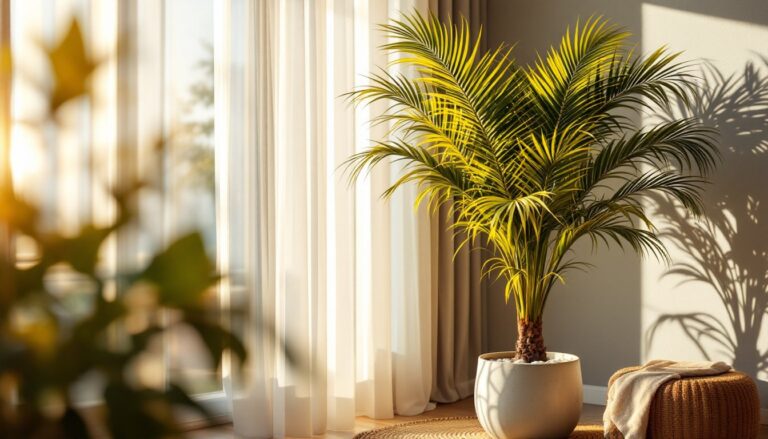
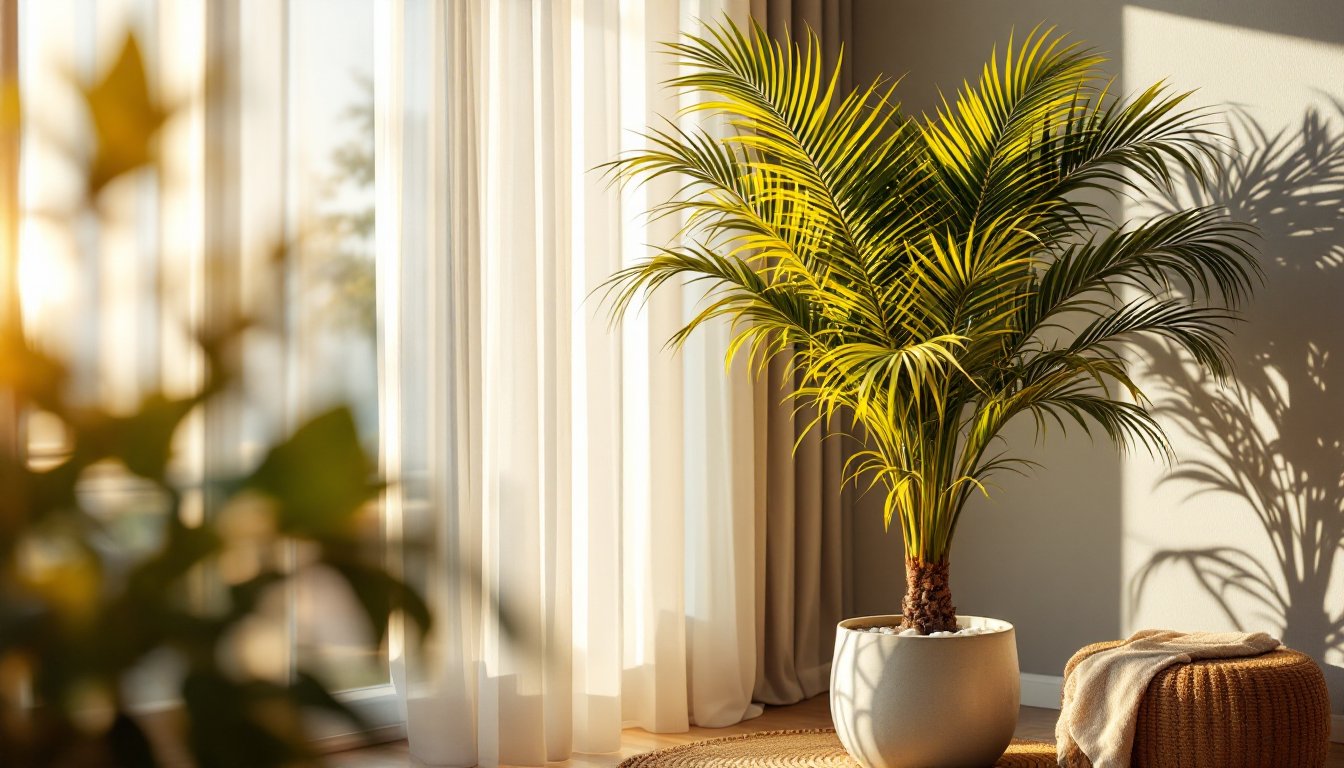
Areca palms are among the easiest and most popular indoor options. They grow to 6–8 feet tall in home conditions and develop feathery, yellow-green fronds that catch light beautifully. They tolerate moderate light (not direct sun, not total shade) and prefer soil that’s consistently moist but not waterlogged. Overwatering is the main killer, so let the top inch of soil dry between waterings.
Parlor palms stay more compact at 3–4 feet, making them perfect for apartments or smaller rooms. They prefer bright indirect light but genuinely tolerate lower light better than most palms. They’re slower-growing, which means less maintenance and longer periods between repotting. Parlor palms also handle indoor air conditioning and heating without the dramatic brown-tip damage that some tropical plants develop.
Both varieties prefer humidity above 50%. If your home runs dry (common in winter with heating), mist the fronds weekly or set the pot on a pebble tray filled with water. The water evaporates around the plant without waterlogging roots. For reference, large indoor house plants like areca palms perform well in living rooms and entryways where they become focal points.
Bamboo Palms and Majesty Palms
Bamboo palms are exceptionally hardy and thrive in lower light than areca or parlor varieties. They grow thick, compact clumps (rather than a single trunk) and max out around 5–7 feet indoors. They handle humidity variations, temperature swings, and occasional missed watering better than their cousins. If you’re genuinely unsure about your plant-care discipline, bamboo palms are forgiving enough to prove that indoor palm plants can thrive.
Majesty palms are showstoppers. They develop tall, slim trunks with feathery crown-like fronds and can reach 8–10 feet in optimal conditions. They need bright indirect light (a north or east-facing window works well) and consistent watering. The trade-off: they’re slightly more demanding than areca or bamboo palms but reward attention with dramatic visual impact. Brown tips on majesty palms often signal humidity levels below 50% or hard tap water: use filtered or distilled water if you notice persistent browning.
When shopping, check soil moisture before buying. Palms sitting in soggy, compacted soil at the nursery often arrive home with root rot already underway. Ask the nursery staff when the plant was last watered, and feel the pot’s weight. A healthy palm pot should feel moderately heavy, not soaking.
Essential Care Requirements for Healthy Growth
Getting the basics right prevents 90% of indoor palm plant problems. Here’s what actually matters.
Light, Water, and Humidity Needs
Light is non-negotiable. Most indoor palm plants evolved under rainforest canopies, bright but filtered, never direct sun. Place them 3–6 feet from a north or east-facing window, or 8–10 feet from a south or west-facing window. If your space has only direct sun, sheer curtains diffuse harsh rays. Insufficient light shows up as slow growth, pale fronds, and plants stretching toward light sources (called etiolation).
Watering is where most people mess up. The rule: water when the top 1–2 inches of soil feel dry to your finger. Don’t water on a schedule: check the soil first. Overwatering causes root rot faster than any other single factor. Between waterings, soil should dry slightly but not completely. Stick a finger in the soil and check. It takes 30 seconds and saves your plant. Use room-temperature water: cold water shocks tropical roots. If your tap water is heavily chlorinated or mineral-rich, let it sit overnight before watering so chlorine gas evaporates.
Humidity matters, especially for parlor and majesty palms. Tropical humidity runs 60–80%: most homes sit around 30–50%. You can’t match rainforest conditions perfectly, but misting fronds twice weekly or grouping palms near a humidifier helps. Brown leaf tips often mean low humidity or salt buildup from hard water. House plants for sale at local nurseries often come with care tags suggesting humidity levels: read them before committing to a variety.
Soil, Fertilizer, and Temperature Control
Soil quality is foundational. Use a well-draining potting mix designed for tropical plants or palms. Standard all-purpose potting soil often retains too much moisture. A palm-specific mix includes peat moss, perlite, and bark for air circulation. Repot every 18–24 months or when roots crowd the drainage holes (not every year, palms don’t need constant repotting).
Fertilizer supports growth but isn’t a substitute for light and water. Feed during the growing season (spring and summer) with a balanced, slow-release fertilizer (like 10-10-10 NPK ratio) or a liquid houseplant fertilizer diluted to half-strength monthly. Stop feeding in fall and winter when growth naturally slows. Over-fertilizing causes salt buildup, which appears as white crusty deposits on soil or leaf browning. When in doubt, fertilize less: a healthy palm in good light grows without aggressive feeding.
Temperature should stay between 65–75°F during the day and not drop below 55°F at night. Palms tolerate cooler conditions better than constant heat. Avoid placing pots near heating vents, air conditioners, or drafty doors. Sudden temperature swings cause stress. In reference, house tree plants in similar tropical categories also prefer stable, moderate temperatures year-round.
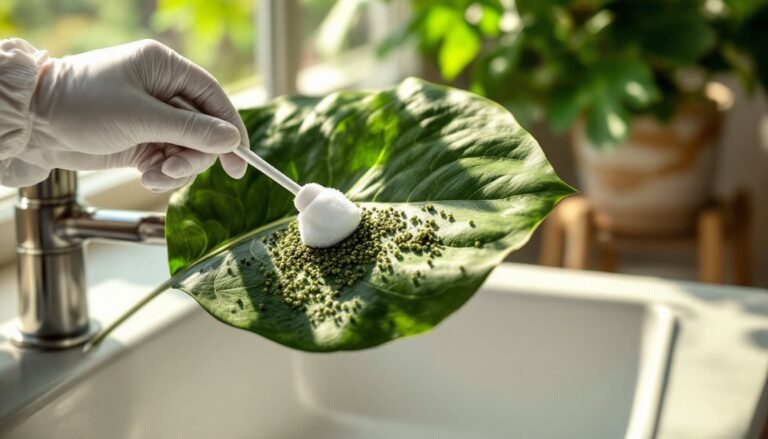
Pests like spider mites, scale, and mealybugs occasionally appear, especially on indoor palms under stress. Inspect new plants before bringing them home. If pests show up, isolate the palm, spray fronds with a 2% neem oil solution or insecticidal soap every 7–10 days for three weeks, and wipe fronds with a soft cloth. Consistent watering and misting reduce pest pressure naturally. Professional-grade guides like those from The Spruce and HGTV offer detailed step-by-step pest management if issues escalate.
Final Thoughts
Indoor palm plants deliver tropical character without demanding a dedicated plant room or a degree in horticulture. Choose a variety suited to your light, commit to checking soil moisture before watering, and dial in humidity where possible. Start with areca or bamboo palms if you’re unsure, both forgive mistakes and reward neglect better than most houseplants. The payoff is a thriving, space-filling plant that genuinely improves your home’s air quality and aesthetic. That’s not just decoration: that’s a practical upgrade to your living space.