Table of Contents
ToggleAphids sneak onto indoor plants without fanfare, one day your ficus is thriving, the next you notice sticky residue on the leaves and a cloud of tiny insects when you brush the foliage. These soft-bodied pests multiply fast, and ignoring them means watching your plants wilt. The good news: you don’t need to toss the plant or call an exterminator. With the right approach, you can eliminate aphids in days and get your greenery back on track. Let’s walk through the five methods that actually work, from simple water sprays to targeted treatments.
Key Takeaways
- Detect aphids early by inspecting plants weekly for tiny pear-shaped insects, sticky residue (honeydew), or yellowing leaves—catching them at this stage makes removal much simpler.
- Start with water spray and manual removal for mild infestations, then escalate to insecticidal soap or neem oil if the problem persists beyond one week.
- Use how to get rid of aphids on indoor plants methods in order of strength: chemical-free solutions first, natural treatments next, and systemic insecticides only for severe infestations affecting over 50% of the plant.
- Prevent aphids from returning by quarantining new plants for 1–2 weeks, maintaining humidity between 65–75°F, ensuring strong air circulation, and inspecting plants every 7–10 days.
- Most indoor aphid infestations clear within 2–3 weeks using natural methods like water spray, soap solutions, or neem oil—professional pest control is rarely necessary.
Why Aphids Infest Indoor Plants and How To Spot Them Early
Aphids are attracted to tender new growth and thrive in warm, dry indoor environments where their natural predators don’t exist. They congregate on leaf undersides and new shoots because that’s where they feed on plant sap. Once they establish a foothold, they reproduce rapidly, a single aphid can spawn dozens of offspring in weeks.
Catch them early by inspecting your plants weekly, especially new arrivals. Look for clusters of tiny (1–3 mm), pear-shaped insects ranging from green to black or white depending on species. You’ll likely notice sticky residue (honeydew) on leaves and soil, or a fine black sooty mold coating foliage. Yellowing or distorted leaves are a red flag. If you see ants patrolling the plant, they’re likely farming aphids for their honeydew, which means the infestation is active. The earlier you spot them, the simpler the fix.
Water Spray and Physical Removal for Immediate Relief
For mild infestations, a strong spray of lukewarm water works surprisingly well. Spray both sides of leaves directly over a sink or tub, targeting aphid clusters with force. The insects wash off and won’t easily climb back up. Repeat every 2–3 days for a week: most aphids won’t survive the dislodging and the disruption breaks their feeding cycle.
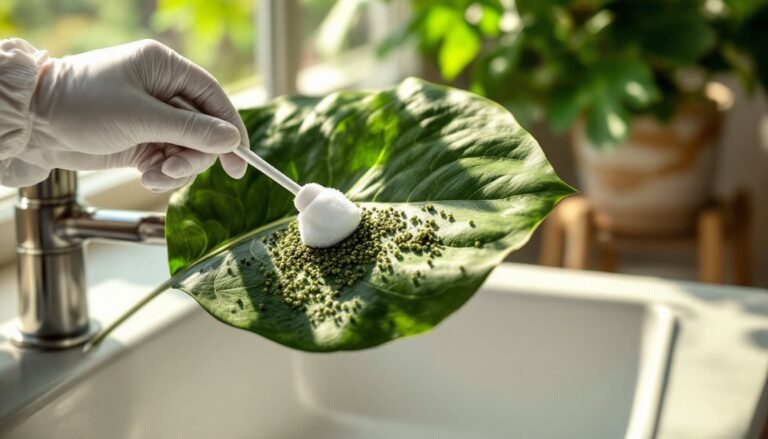
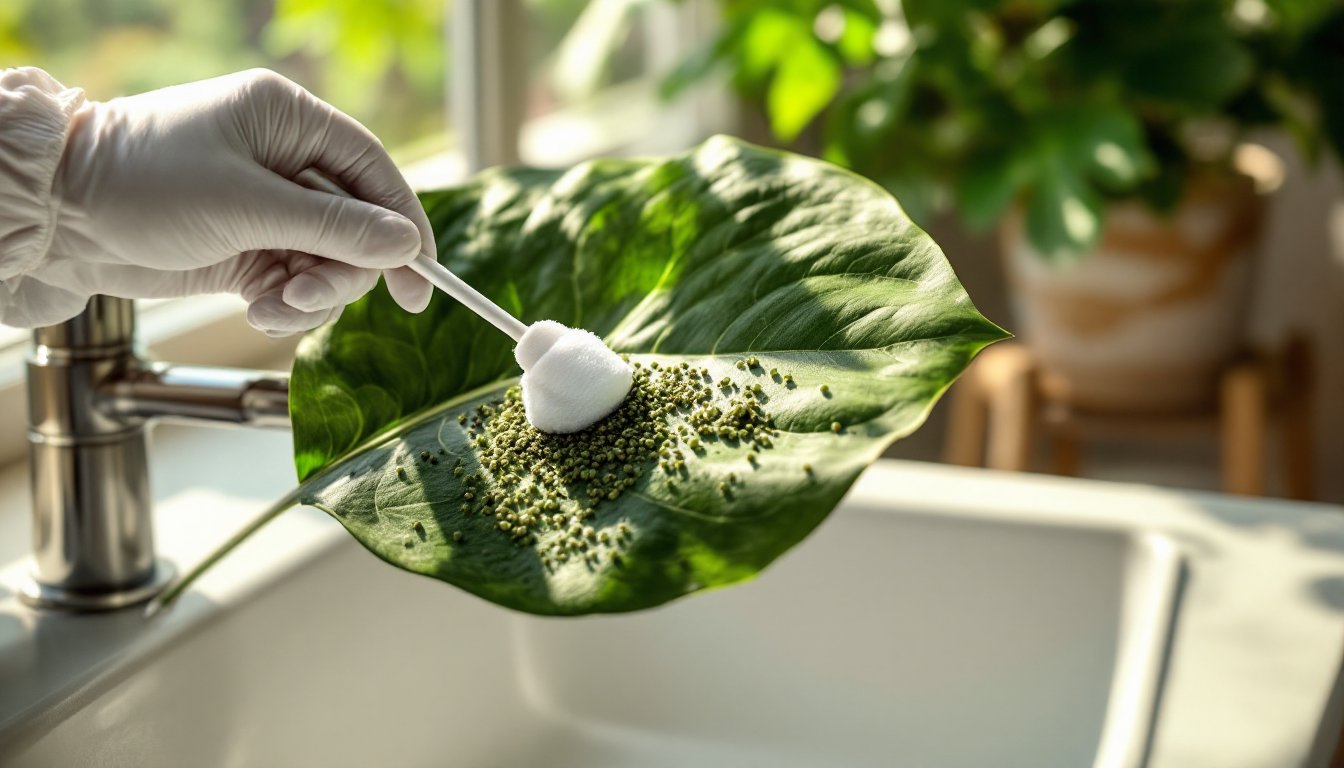
For heavier populations, combine the water spray with manual removal. Use a soft cloth or cotton swab dipped in water to wipe leaves, working top to bottom. Pay special attention to leaf undersides and the areas where stems meet branches, aphids hide there. Wear latex gloves to keep your hands clean, and avoid crushing insects directly on the plant (it spreads disease).
After spraying, let the plant sit in indirect light and allow foliage to dry completely within a few hours. Don’t water from above immediately after: let the soil dry naturally. This method is chemical-free and safe for delicate plants like orchids or newly propagated cuttings. It’s also the safest option if you have pets or small children. But, if the infestation covers more than 20–30% of the plant or returns within a week, move to a stronger approach.
Natural Soap Solutions and Neem Oil Treatments
Insecticidal soap is one of the gentlest effective treatments for aphids. Unlike harsh chemicals, horticultural soap works by breaking down the soft outer cuticle of aphids, causing dehydration. Common brands include Safer’s Insecticidal Soap and Green Earth: they’re widely available at garden centers.
Mix according to label directions (usually 1–2 tablespoons per gallon of water). Spray thoroughly, covering all leaf surfaces and stems until dripping wet. The soap must contact the insects directly to work, so be thorough. Spray in early morning or evening when light is low: sunlight can cause the mixture to dry too quickly and reduce effectiveness. Reapply every 7–10 days for three weeks. Test on one leaf first if the plant is prone to leaf sensitivity.
Neem oil, derived from neem tree seeds, is a broad-spectrum natural pesticide that disrupts aphid feeding and reproduction. It’s stronger than soap but still plant-safe when used correctly. Mix neem oil according to bottle directions (typically 1–2 tablespoons per gallon with a small amount of dish soap as an emulsifier). Spray until wet, focusing on undersides of leaves. Don’t apply in direct sunlight or temps above 85°F, neem oil can burn foliage under those conditions. Use every 7–14 days. Most infestations clear within two to three applications. Both soap and neem oil are organic-certified options available at home improvement centers and online retailers.
Insecticidal Sprays and Chemical Options for Severe Infestations
If aphids persist after two weeks of natural treatments or if more than 50% of a plant is affected, you’ll want a faster knockout. Pyrethrin-based sprays (derived from chrysanthemum flowers) are approved for indoor use and work within 24–48 hours. Brands like Safer’s Pyrethrin kill aphids on contact. Spray thoroughly, covering both sides of all foliage, and reapply per label directions, usually every 7 days for two to three weeks.
Systemic insecticides like imidacloprid (Merit) are absorbed into plant tissues, poisoning sap-suckers like aphids. You apply them as a soil drench or foliar spray. They’re highly effective for stubborn infestations but slower-acting than contact sprays (3–5 days to full effect). Follow label directions exactly and keep away from children and pets. Wear gloves and wash hands after application.
Before choosing a chemical treatment, check the label to confirm it’s safe for your specific plant type, some orchids and delicate houseplants have sensitivity issues. Increase ventilation when spraying indoors: open a window or use a fan. If you have cats or fish, exercise extra caution: some products are toxic to them. After 24 hours, the residue on foliage becomes inert, but some people prefer to wipe leaves lightly with damp cloths a day after spraying. For severe cases where the plant is almost entirely compromised, you may need professional pest control advice or consider quarantining the plant from others.
Prevention Strategies To Keep Aphids From Returning
Once you’ve cleared an infestation, prevention saves weeks of future headaches. Inspect all new plants before bringing them indoors, look under leaves and check stems. Quarantine new arrivals in a separate room for one to two weeks if possible: this catches hitchhiking pests before they spread. Many problems start with infected nursery plants, so don’t skip this step.
Maintain consistent humidity and avoid overheating. Aphids thrive in hot, dry air. Mist foliage lightly (not soaking) or use a pebble tray under pots with shallow water to raise ambient humidity. Keep indoor temps between 65–75°F when possible. Strong air circulation from a ceiling fan or nearby window discourages infestations: stagnant air creates pest hotspots.
Water and feed plants appropriately. Overfeeding with nitrogen-heavy fertilizers produces soft, tender new growth that aphids love. Use a balanced fertilizer (like 10-10-10) at half strength, or follow slow-release pellets per label directions. Properly fed plants with steady growth are naturally more resilient.
Finally, inspect existing plants every 7–10 days as part of your watering routine. Catching aphids when just a handful are present beats fighting a colony. If you notice issues with similar pests (like how to get rid of gnats in house plants offers approaches for that problem), apply the same inspection discipline. The goal is vigilance, not paranoia. A quick look while watering takes seconds and prevents reinfestation.
Conclusion
Aphids on indoor plants are a nuisance, but they’re not a death sentence. Start with water spray and physical removal for small infestations, graduate to soap or neem oil if needed, and deploy stronger treatments only when the pest pressure justifies it. Most home gardeners never need to reach the chemical tier because early detection and natural methods work reliably. Once you’ve cleared the problem, stick to a simple inspection routine and quarantine new plants. Your indoor garden will reward the effort with healthy, pest-free growth for months to come.