Table of Contents
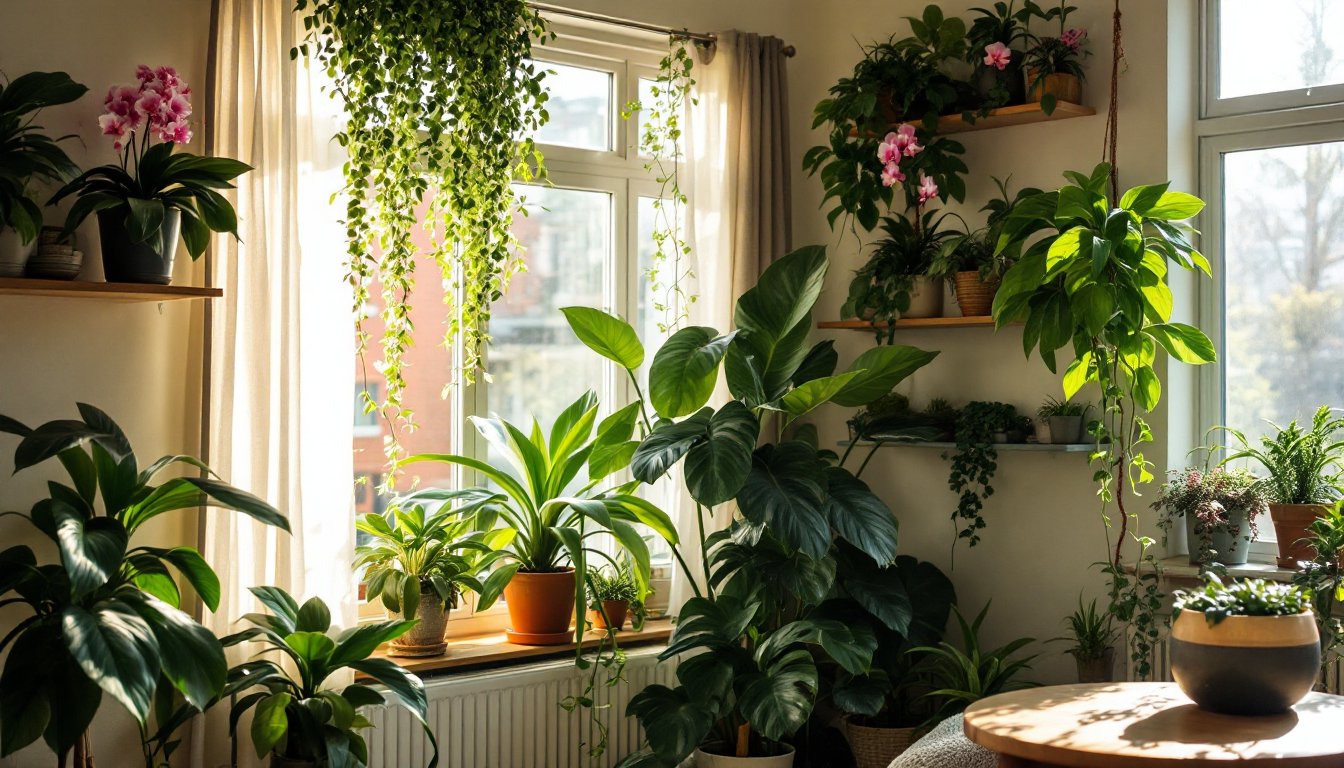
ToggleAdding indoor plants to your home isn’t just about aesthetics, it’s a practical way to improve air quality, boost mood, and bring life into any room. Whether you’re a seasoned plant parent or just starting your green journey, knowing the right indoor plants names and varieties makes all the difference. From trailing vines that cascade off shelves to compact desk plants, this guide covers 32 of the best indoor plants to suit every space, skill level, and lifestyle. Let’s dig in and find the perfect green companions for your home.
Key Takeaways
- Indoor plants names span six main categories—low-light, trailing, easy-care, air-purifying, flowering, and compact varieties—each suited to different spaces and skill levels.
- Low-light indoor plants like Pothos, Snake Plant, and Peace Lily thrive in dark rooms but benefit from occasional bright indirect light to grow faster and maintain vibrant foliage.
- Easy-care plants such as Rubber Plant, Aloe Vera, and Jade Plant require minimal attention and forgive irregular watering, making them ideal for busy homeowners.
- Air-purifying varieties including Spider Plant, Dracaena, and Sansevieria actively remove toxins like formaldehyde and benzene; place one plant per 100 square feet for noticeable air quality improvement.
- Flowering and compact indoor plants add color, fragrance, and visual interest to any space, but flowering types need 4–6 hours of bright indirect light daily to bloom reliably.
- Successful indoor plant care depends on matching the plant to your environment, using well-draining soil appropriate for the species, and monitoring soil moisture rather than following rigid watering schedules.
Low-Light Indoor Plants for Darker Spaces
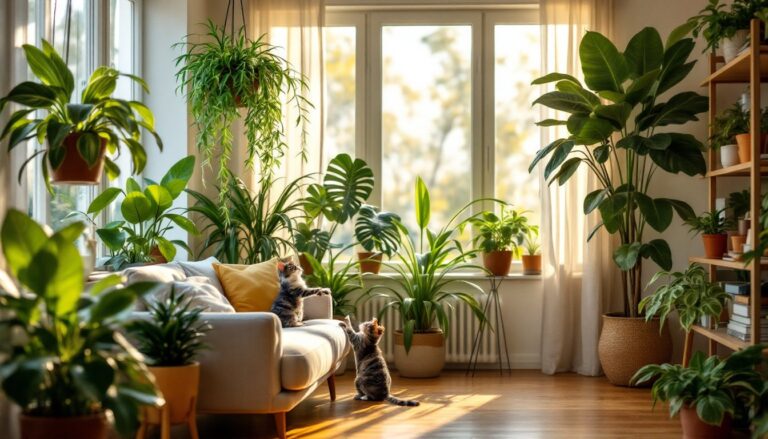
Not every room gets plenty of sunlight, but that shouldn’t stop you from adding greenery. Low-light indoor plants are your best friends for bedrooms, bathrooms, and north-facing corners.
Pothos is practically indestructible and tolerates neglect better than most. It grows trailing vines and adapts to indirect light or even artificial lighting. Snake Plant (Sansevieria) thrives in darkness and only needs water every few weeks, it’s the go-to for forgetful plant owners. ZZ Plant similarly handles low light with ease and has glossy, attractive foliage.
Philodendron is another heavyweight for dim rooms, with heart-shaped leaves and similar low-maintenance requirements to pothos. Peace Lily not only survives in shade but actually prefers it, plus it flowers indoors with elegant white spathes. Cast Iron Plant lives up to its name, tough as nails in low light and dry air. Dracaena varieties come in many shapes and colors, all handling low light admirably.
But, research from best indoor plants for low-light conditions shows these plants still benefit from occasional brighter indirect light to grow faster. Water less frequently in low-light settings since evaporation is slower. If a plant starts looking leggy or pale, rotate it closer to a window for a week or two each month.
Trailing and Climbing Indoor Plants for Shelves and Walls
Trailing and climbing plants add vertical interest and softness to hard architectural lines. These are perfect for hanging baskets, high shelves, or wall-mounted planters.
String of Pearls produces delicate, bead-like leaves on thin stems and looks stunning cascading from a high shelf. Creeping Fig climbs slowly but steadily, ideal for training along a moss pole. Hoya (also called wax plant) develops heart-shaped leaves and fragrant flowers as it matures. Scindapsus Pictus (Satin Pothos) trails gracefully with silver markings on dark leaves, not as tough as regular pothos but equally beautiful.
Philodendron Brasil is a variegated cousin of common philodendron, adding visual pop while still being easygoing. Tradescantia comes in purple, green, and variegated forms and roots easily if you want to propagate cuttings. Monstera Deliciosa eventually climbs and develops those iconic split leaves, though it takes time and space.
Ivy varieties, especially Hedera Helix, trail beautifully but prefer cooler temperatures. Most trailing plants prefer bright, indirect light to maintain vibrant leaf color. Use hanging planters with drainage holes and water when the top inch of soil feels dry. Humidity matters, mist regularly or group plants together to create a microclimate that keeps foliage lush.
Easy-Care Indoor Plants for Busy Homeowners
If you’re juggling work, family, and hobbies, easy-care plants let you enjoy greenery without guilt. These varieties forgive irregular watering and thrive on neglect.
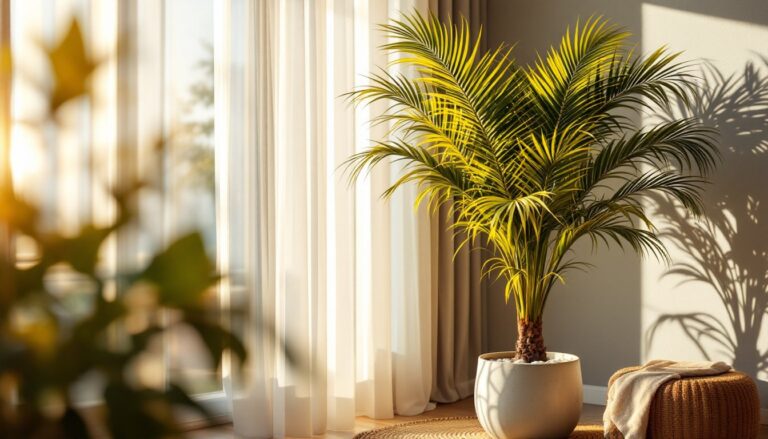
Rubber Plant grows tall with large, glossy leaves and only needs water every 1–2 weeks. Parlor Palm is a small tree that fills corners with tropical vibes and tolerates low light. Prayer Plant (Maranta) has stunning patterned leaves that fold at night, quirky and low-demand. Calathea varieties are similar but prefer consistent humidity: group them or use a pebble tray.
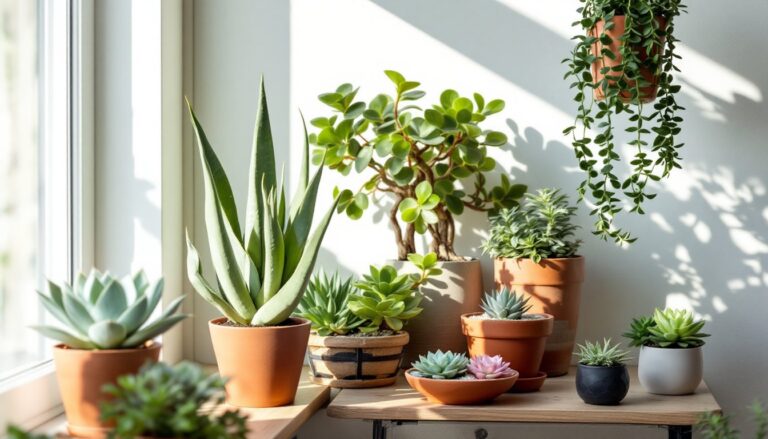
Aloe Vera stores water in its leaves and needs minimal attention: it’s nearly impossible to kill through underwatering. Jade Plant is a succulent that grows slowly into a small tree with thick stems and fleshy leaves. Peperomia stays compact, prefers moderate watering, and won’t outgrow a desk or shelf. Areca Palm adds height and greenery without high-maintenance fussing.
The secret to easy care: pot in well-draining soil mixed for the plant type (cacti/succulent soil for water-sensitive species, general-purpose for others). Water on a schedule based on how quickly soil dries, not on a rigid timetable. Most easy-care plants prefer to dry out slightly between waterings. Fertilize once monthly during growing season (spring and summer) with diluted liquid fertilizer. These plants rarely need repotting more than every 2–3 years.
Air-Purifying Indoor Plants That Improve Indoor Air Quality
Beyond looks, many indoor plants actively remove toxins and improve the air you breathe. NASA studies have documented specific plants’ air-purifying abilities, making them worth their shelf space.
Spider Plant removes formaldehyde and xylene while being nearly impossible to kill: it’s the original air-purifying classic. Boston Fern filters formaldehyde and xylene but prefers humidity and consistent moisture. Gerbera Daisy blooms indoors and purifies benzene along with other chemicals. Chrysanthemum combines air purification with cheerful flowers in multiple colors.
Dracaena Marginata (Red-Edged Dracaena) removes formaldehyde and xylene from indoor air. Sansevieria (Snake Plant) releases oxygen at night and removes benzene and formaldehyde. Philodendron Selloum has large, architectural leaves and excellent air-cleaning properties. Azalea produces showy flowers while filtering harmful compounds.
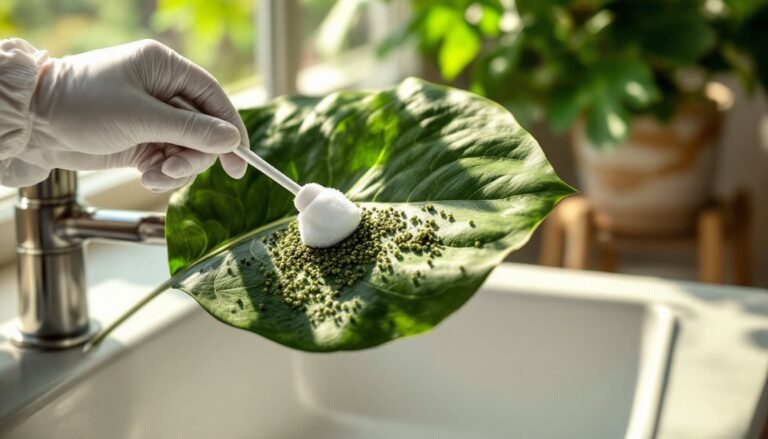
Place air-purifying plants around your home: one per 100 square feet for noticeable effect according to horticultural research. Position them near sources of indoor pollution, near the kitchen for cooking fumes, in bedrooms for nighttime oxygen production. Keep leaves dust-free (gently wipe with a damp cloth monthly) so pores can work efficiently. Combine multiple species for broader toxin removal. While indoor plants supplement air quality, they aren’t replacements for ventilation and air purification systems: think of them as helpful additions to a healthy indoor environment.
Flowering Indoor Plants for Color and Fragrance
If you want blooms indoors, these flowering varieties deliver color and often fragrance too. Many flower reliably with the right light and care.
Orchid (Phalaenopsis) produces stunning flowers for months and enjoys bright, indirect light: they’re tougher than their delicate appearance suggests. African Violet blooms almost constantly in moderate light with fuzzy leaves and velvety flowers. Begonia comes in countless varieties with showy, colorful flowers and attractive foliage. Geranium produces clusters of bright red, pink, or white flowers if given 4+ hours of direct sun daily.
Kalanchoe combines succulent foliage with dense flower clusters and minimal water needs. Amaryllis produces trumpet-shaped blooms in reds, pinks, and whites: bulbs are budget-friendly gifts. Jasmine offers fragrant white flowers and twining vines, perfect near a window or trellis. Clivia (Clivia miniata) produces orange flower clusters and tolerates lower light than most bloomers.
Flowering plants typically need more light than foliage plants, aim for 4–6 hours of bright, indirect light daily. Check your most common house plants list to understand blooming seasons for your region. Provide consistent watering but avoid waterlogging, which causes root rot and flower drop. Deadhead spent blooms to encourage more flowers. Humidity helps, especially for orchids, use a pebble tray or mist regularly. Feed flowering plants with bloom-boosting fertilizer (higher phosphorus) during blooming season.
Small Indoor Plants for Compact Spaces and Desks
Desk plants and compact varieties prove that small spaces don’t mean no plants. These fit perfectly on shelves, desks, and windowsills.
Succulents (Echeveria, Jade, Haworthia) stay small, colorful, and need minimal water, perfect starter plants. Pilea Peperomioides (Chinese Money Plant) grows slowly to 12 inches with round, coin-like leaves. String of Pearls cascades delicately from a small pot and suits tight spaces. Air Plants need no soil and arrive in compact forms: mist them a few times weekly.
Mini Monstera (Rhaphidophora tetrasperma) develops those signature split leaves but in a compact package. Fittonia (Nerve Plant) has stunning patterned foliage and stays under 12 inches: loves humidity. Tillandsia species are tiny air plants perfect for terrariums or standalone displays. Baby Tears (Soleirolia soleirolii) forms a delicate mound of tiny leaves, ideal for vivariums or dish gardens.
Small pots dry faster, so monitor soil moisture more often, especially for non-succulent varieties. Use beautiful house plants that suit desk environments for visual inspiration on arranging your compact collection. Ensure adequate drainage holes even in small pots. Rotate desk plants quarterly toward your light source to prevent lopsided growth. Group small plants together on a tray to create visual impact and shared humidity. Most compact plants adapt well to indirect light but thrive with 2–3 hours of bright light daily.
Conclusion
Whether you’re filling a dark corner, brightening a desk, or creating a living wall, the right indoor plants names and varieties make all the difference. Start with what suits your space and time commitment, low-light plants if you lack sun, easy-care species if your schedule’s packed, flowering varieties if you want color. Most plants forgive occasional mistakes and reward consistent, thoughtful care. Begin with one or two and expand your collection as your confidence grows.