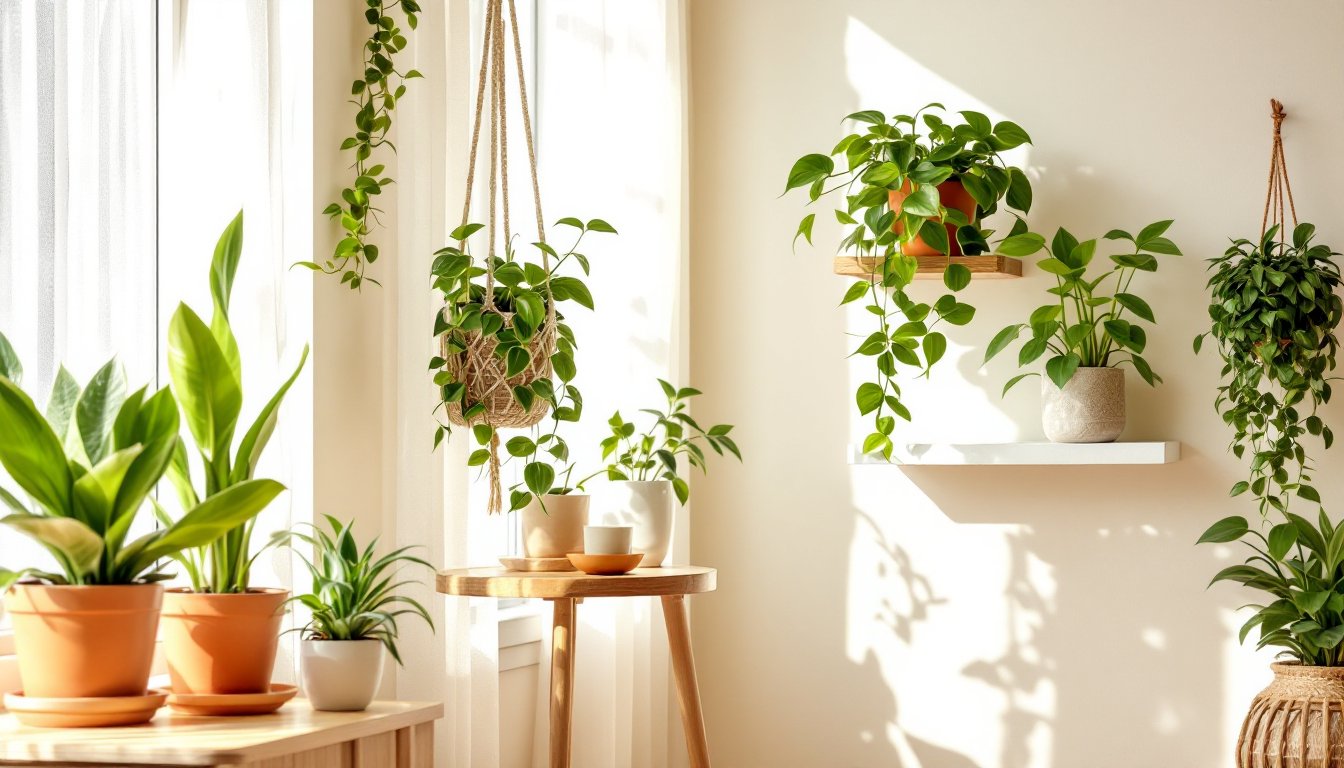
Table of Contents
ToggleNot every homeowner has a green thumb, and that’s okay. Life gets busy: work deadlines, home maintenance, family obligations. The last thing you need is a plant collection that demands daily attention. Yet filling your home with greenery improves air quality, adds visual interest, and creates a calming atmosphere. The solution? Easy-to-care-for house plants. These resilient varieties thrive on neglect, adapt to indoor conditions, and look stunning doing it. Whether you’re a beginner or someone who’s accidentally killed a few succulents, this guide walks you through the seven best low-maintenance plants for 2026, plus straightforward care tips to keep them healthy.
Key Takeaways
- Easy-to-care-for house plants reduce stress and decision fatigue by thriving on neglect while improving air quality and home aesthetics.
- Snake plants, pothos, ZZ plants, and spider plants are the top low-maintenance varieties that tolerate irregular watering and low-light conditions.
- Overwatering is the biggest killer of indoor plants; check soil moisture with your finger and water only when the top inch feels dry.
- Use pots with drainage holes, indirect light sources, and standard potting soil to create ideal conditions for easy-to-care house plants to flourish.
- Group plants by water needs and set phone reminders to establish consistent care routines while allowing soil moisture to guide your watering schedule.
Why Low-Maintenance Plants Are Perfect for Busy Homeowners
Low-maintenance plants aren’t just for lazy gardeners, they’re practical solutions for real life. A plant that tolerates irregular watering, low light, or temperature fluctuations means you can actually enjoy it instead of stressing over its care schedule. These varieties have evolved to survive in tough conditions, so they don’t panic when you forget to water them for two weeks or move them to a corner with indirect light.
Busy homeowners benefit because easy-to-care plants reduce decision fatigue. No constant monitoring, no special soil mixes, no weekly feeding schedules. You water when the soil feels dry, place them somewhere reasonable, and they handle the rest. This also matters financially, plants that adapt to various indoor environments mean you’re not replacing dead specimens every season.
When selecting easy to care for house plants, focus on species that tolerate inconsistent light and watering. The plants listed here all share these traits: hardy root systems, slow growth rates (meaning less frequent repotting), and genuine forgiveness when care isn’t perfect. They’re genuinely forgiving, not marketing-speak forgiving.
Snake Plants: The Unkillable Bedroom Companion
Snake plants (Sansevieria) are botanical cockroaches in the best way possible. They survive low light, irregular watering, and temperature swings most plants would resent. Their upright, sword-like leaves come in solid green or with yellow borders, fitting seamlessly into modern or traditional decor.
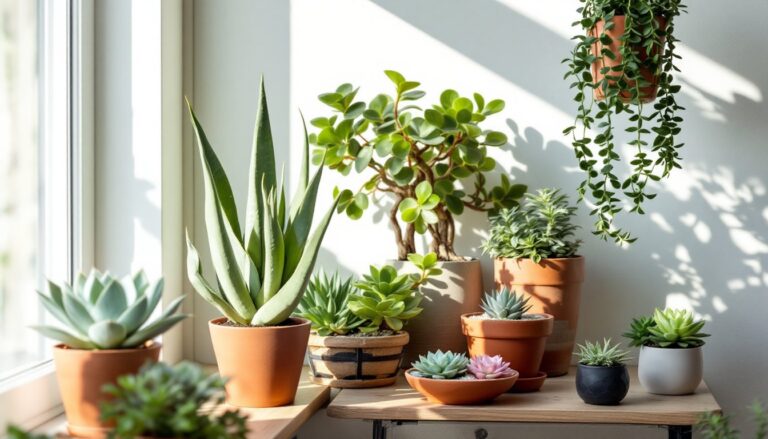
These plants thrive on neglect because they’re succulents, they store water in their leaves. Water every 2–3 weeks, or even monthly during winter. Let the soil dry completely between waterings: overwatering kills more snake plants than anything else. They do well in low to bright indirect light, though brighter conditions produce more vibrant foliage. Pot them in cactus or succulent mix (fast-draining) rather than standard potting soil.
Snake plants also filter formaldehyde and xylene from indoor air, making them scientifically valuable in bedrooms or living rooms. They grow slowly, so you’ll repot maybe once every 2–3 years. One warning: they’re mildly toxic to pets, so position them somewhere cats or dogs can’t nibble. If you want an alternative succulent option, types of cactus house plants offer similar durability with varied aesthetics.
Pothos: The Trailing Vine That Adapts to Any Space
Pothos (Epipremnum aureum), also called devil’s ivy, is the gold standard for beginners. Its heart-shaped leaves cascade beautifully from a hanging basket or climb a moss pole. Varieties range from solid green to variegated white or gold. It’s nearly impossible to kill, it tolerates low light better than most vining plants and bounces back after neglect.
Water when the top inch of soil feels dry: this typically means once weekly in growing seasons, less often in winter. Pothos prefers indirect light but adapts to low-light corners, though growth slows and variegation fades in dim conditions. If your space has bright indirect light, it’ll genuinely thrive. Use regular potting soil and pot with drainage holes. Repot every 12–18 months or when roots emerge from drainage holes.
For visual impact, place pothos in a hanging basket near a window or train it up a trellis. Trim stems occasionally to encourage bushier growth. Like snake plants, pothos filters formaldehyde and benzene from air, and it’s similarly mildly toxic to pets. If you enjoy trailing plants, viney house plants expand your options beyond pothos while maintaining that cascading aesthetic.
ZZ Plants: Glossy Elegance With Neglect Tolerance
ZZ plants (Zamioculcas zamiifolia) offer architectural appeal with almost comical durability. Their waxy, compound leaves grow in geometric patterns along upright stems, creating a polished look that works in any room. ZZ plants handle low light, neglect, and inconsistent watering like champions. They’re slower-growing than pothos but equally forgiving.
These plants prefer dry conditions, water every 2–3 weeks, or when soil is completely dry. They actually prefer underwatering to overwatering. ZZ plants do best in indirect light but tolerate low light without complaint. Use standard potting soil with good drainage. They rarely need repotting: expect to move them to a larger pot every 2–3 years. They also grow slowly, so you’re not constantly managing unruly growth.
One practical note: ZZ plants contain oxalates, which can irritate skin and mouths. Wear gloves when handling and keep them away from pets and young children. Even though this minor toxicity concern, they’re ideal for offices, bedrooms, or living rooms where they add visual weight without demanding attention. If you’re budget-conscious, ZZ plants are affordable and available at most nurseries, fitting the criteria of cheap house plants that don’t compromise on durability.
Spider Plants: Air-Purifying Performers for Beginners
Spider plants (Chlorophytum comosum) are the workhorse of easy-to-care plants. Their arching, variegated leaves create movement and texture, and they’re incredibly quick to show results, new growth appears within days of proper watering. They thrive in indirect light and adapt surprisingly well to lower-light spaces. Spider plants are non-toxic, making them safe around pets and kids.
Water when the top inch of soil feels dry: they prefer consistently moist (not soggy) soil compared to snake plants or ZZ plants. They’re not succulents, so they can’t tolerate extreme drought, but they bounce back quickly if you miss a watering. Use standard potting soil. Spider plants love indirect bright light but tolerate medium light without issue. Bright conditions produce more vibrant variegation and encourage those iconic hanging plantlets.
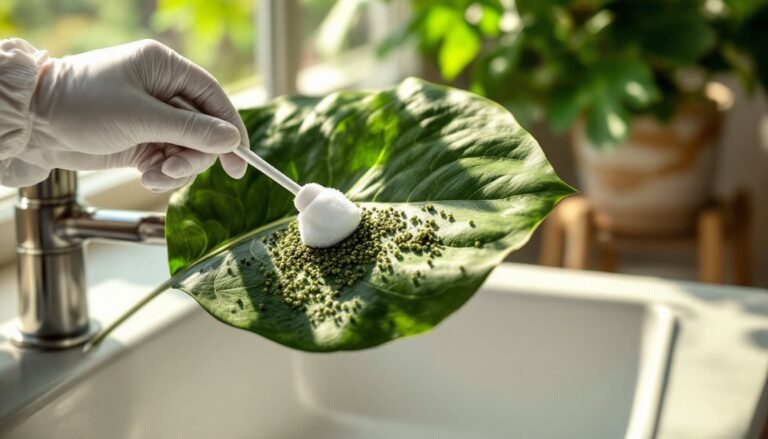
As plantlets develop on runners, you can propagate them in water and pot them separately or simply enjoy the aesthetic. Repot every 12 months or when roots begin circling the pot. Most common house plants includes spider plants for good reason, they’re proven performers in countless homes. One caveat: spider plants can occasionally attract spider mites or scale insects indoors. Inspect leaves monthly and address infestations early with insecticidal soap.
Essential Care Tips for Thriving Low-Maintenance Plants
Even low-maintenance plants perform better with consistent, simple care. The biggest mistake homeowners make is overwatering. Most indoor plants prefer to dry out slightly between waterings. Check soil moisture with your finger, if the top inch is dry, water until it drains from the bottom. If soil is still moist, wait another day or two. Overwatered roots rot, and rot is hard to reverse.
Light matters more than many assume. “Indirect light” means a room with windows but not direct sun streaming through glass all day. North-facing windows offer consistent, gentle light perfect for low-light tolerant plants. East or west-facing windows provide moderate indirect light when positioned back from the sill. South-facing windows can bleach leaves on shade-loving plants, so set them back or use sheer curtains to filter intensity.
Use pots with drainage holes, always. Saucers catch excess water, protecting floors and furniture. Pot size should be proportional: too large, and soil stays wet too long: too small, and roots circle constantly. When repotting, choose a container only 1–2 inches larger in diameter than the current one. All the plants here thrive in standard potting soil or, for succulents, cactus mix. Skip fancy fertilizers for the first 6 months: established plants benefit from diluted balanced fertilizer (10–10–10) monthly during growing seasons (spring and summer).
Watering Without Guesswork
A simple system removes guesswork. Water thoroughly until it drains, then don’t water again until soil dries to your specified point (usually top inch for non-succulents, completely dry for succulents). Set a phone reminder for your typical watering day, but let soil moisture guide you. In winter, growth slows and water needs drop by 30–50%, so adjust frequency accordingly.
For travel or forgetfulness, self-watering stakes or globes deliver water slowly over days. They’re inexpensive ($5–15) and reliable for 1–2 week absences. For longer trips, ask a neighbor to water or use wicking systems. Avoid the common mistake of “watering on a schedule” rather than checking soil, schedules ignore seasonal changes and individual pot sizes.
Grouping plants with similar water needs simplifies care. Snake plants and ZZ plants want dry conditions: spider plants prefer consistent moisture. Keep them separate when possible, or at least in distinct zones, so you’re not overwatering drier-preference plants to satisfy thirsty ones. This also makes it easier to spot problems early. If a plant suddenly looks wilted or yellowed, irregular watering is usually the culprit. If leaves fade even though consistent care, light might be limiting growth.