Table of Contents
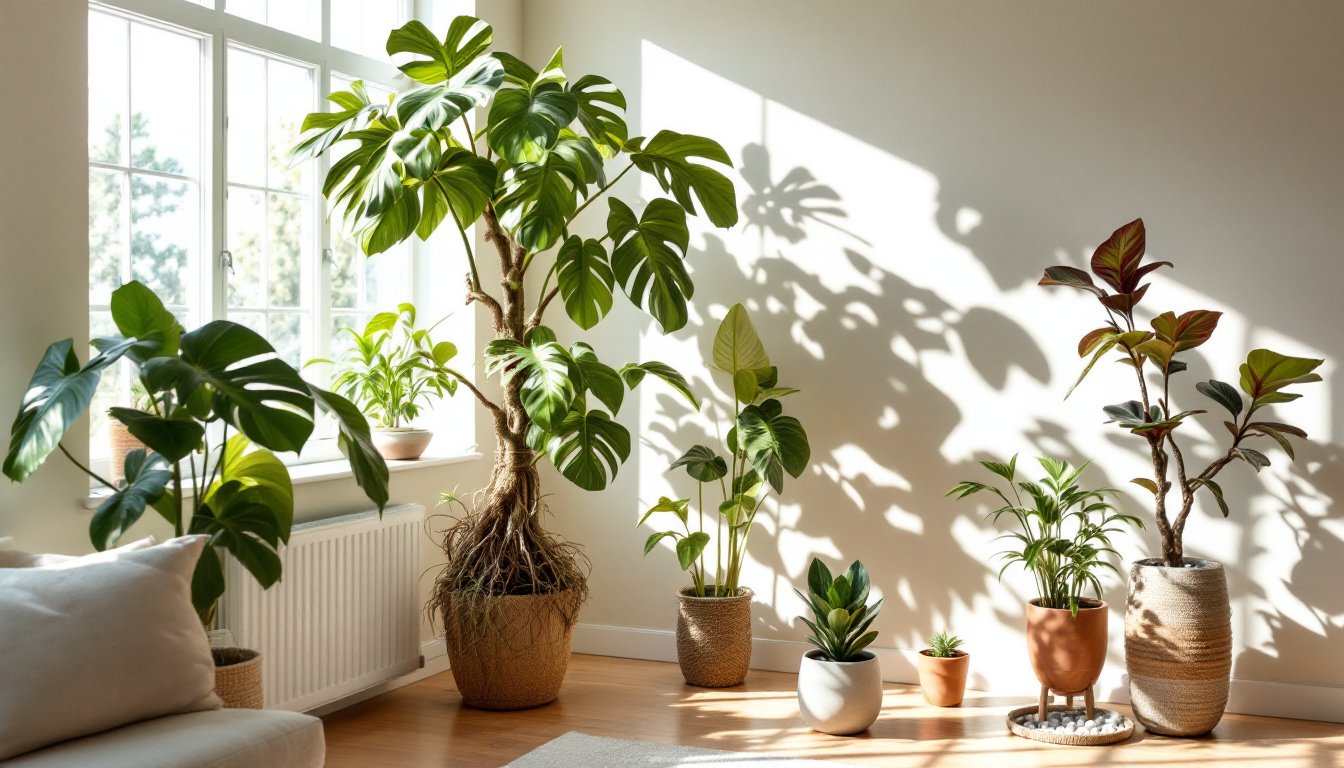
ToggleLarge indoor plants and trees have moved beyond simple décor, they’re now central to how homeowners think about their living spaces. Adding height, texture, and life to a room changes its entire feel, and the air quality benefits are real, not just marketing hype. Whether you’re working with a bright sunny corner or a dimly lit bedroom, there’s a large indoor plant suited to your space. This guide covers how to choose the right specimens, care for them properly, and position them for maximum visual impact. Skip the guesswork and plant with confidence.
Key Takeaways
- Large indoor plants and trees improve air quality by filtering carbon dioxide and absorbing toxins like formaldehyde, while also anchoring a room’s design and making spaces feel larger.
- Low-light tolerant species like pothos, snake plants, and parlor palms thrive in indirect light, while fiddle leaf figs, rubber trees, and monsteras require bright, indirect conditions to reach their full 6–10 foot potential.
- Overwatering is the leading cause of failure with large indoor plants—check soil moisture 2 inches deep before watering and ensure proper drainage to prevent root rot.
- Large indoor plants need humidity (especially tropical varieties), balanced fertilizer during spring and summer only, and repotting every 2–3 years into slightly larger pots with well-draining soil.
- Strategic placement in corners, entryways, or beside windows creates visual impact and helps define spaces, while choosing the right pot size and considering background walls maximize a large plant’s design potential.
Why Large Indoor Plants and Trees Matter for Your Home
Large indoor plants and trees do more than fill empty wall space. They improve indoor air quality by filtering out carbon dioxide and releasing oxygen, a documented benefit, not a claim made by plant influencers. They also absorb toxins like formaldehyde and benzene that off-gas from furniture, flooring, and building materials.
From a design angle, these specimens anchor a room. A 6-foot rubber tree or fiddle leaf fig gives visual weight to an otherwise sparse corner. They draw the eye upward, making ceilings feel higher. In smaller spaces, a single large plant often works better than clustering several small ones, it’s cleaner, less cluttered, and makes a statement.
Practically speaking, larger specimens are often more forgiving than fussy small plants. Their root systems are more robust, and they handle occasional neglect better. They also mature into substantial, long-lived additions to your home if you choose the right variety and give them what they need.
Best Large Indoor Plants and Trees to Grow
Low-Light Champions
Not every room gets direct sunlight, and that’s fine. Pothos (Epipremnum aureum) tolerates low light and grows slowly upward or cascades down a shelf, it’s nearly impossible to kill. The vine reaches 6–10 feet if given time and a moss pole or trellis.
Snake plants (Sansevieria trifasciata) are even more resilient. They thrive in indirect light and go weeks without water. Tall varieties like the Laurentii cultivar reach 4–5 feet and add architectural interest to dark hallways or offices.
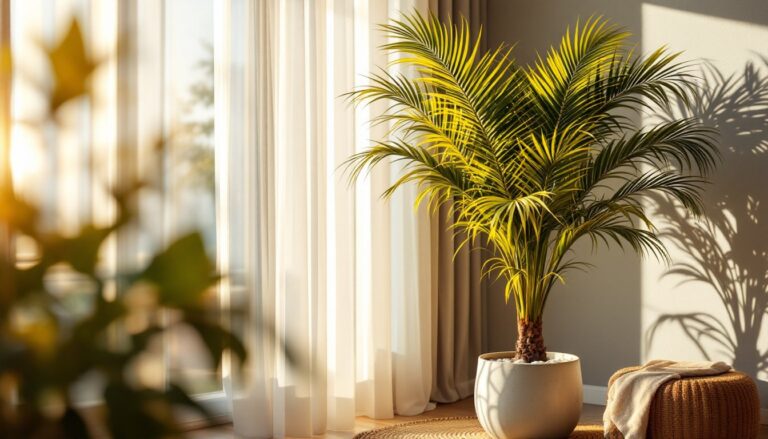
Parlor palms (Chamaedorea elegans) are another solid choice for shadier spots. They grow slowly to 4–6 feet and develop tropical foliage without drama. Water when the top inch of soil dries out.
Bright Light Favorites
Fiddle leaf fig (Ficus lyrata) is the showstopper everyone wants, large, violin-shaped leaves, and it grows to 6–10 feet. It demands bright, indirect light (not direct afternoon sun, which scorches the leaves). Keep humidity around 50% by misting weekly.
Rubber trees (Ficus elastica) are tougher and faster-growing than fiddle leaf figs. They tolerate some direct morning sun and reach 6–8 feet indoors. New leaves emerge reddish and mature to deep green.
Monstera deliciosa splits its leaves as it matures, a signature look. It grows 5–8 feet tall and actually prefers bright, indirect light rather than direct sun. Its aerial roots want to climb, so provide a moss pole. Large indoor plants and trees like monsteras often become focal points in open living areas.
Essential Care and Maintenance Tips
Watering is the biggest source of DIY plant failure. Most people overwater. Check soil moisture first, stick your finger 2 inches into the soil. If it’s wet, wait another week. Most large indoor plants prefer to dry out slightly between waterings. Root rot kills faster than drought.
Use room-temperature water and let tap water sit overnight if your region uses chlorine (it evaporates). Empty saucers after 30 minutes so roots don’t sit in standing water.
Light requirements vary by species, but measure what you have. A north-facing window gets 100–500 foot-candles: south-facing gets 1,000+. Plants that say “bright, indirect light” typically need 500–1,000 foot-candles. If a plant gets leggy or stops growing, it’s likely underfed on light, move it closer to a window or rotate every week.
Humidity matters for tropical varieties like figs and monsteras. Mist weekly or place the pot on a pebble tray filled with water (the pot sits on pebbles, not in water). Group plants together: they create a microclimate. Humidifiers work too if your home runs very dry in winter.
Fertilizing is secondary. Feed during the growing season (spring and summer) with a balanced, diluted liquid fertilizer every 4–6 weeks. Stop in fall and winter when growth slows. Overfertilizing burns roots and causes salt buildup in soil, less is more.
Repotting is needed every 2–3 years. Use a pot only 1–2 inches larger in diameter than the current one and well-draining potting mix (not garden soil). Spring is the best time. Beautiful house plants deserve soil that drains properly, regular potting mix works, but adding perlite or orchid bark improves drainage for specimens like figs.
Styling and Placement Strategies for Maximum Impact
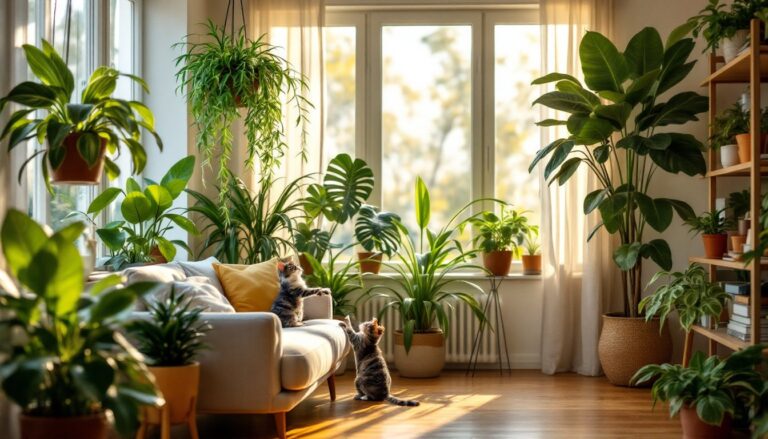
Placement is design and function combined. A large plant in a corner lifts the eye and makes the space feel larger. Placing one flanking an entryway or bookcase creates intentional framing. Avoid blocking walkways or putting heavy plants on unstable shelves, a 6-foot rubber tree in a 15-gallon pot weighs 100+ pounds when watered.
Consider the pot itself. Neutral ceramic, terracotta, or concrete finishes work in most homes. A too-small pot looks fragile: oversized looks clunky. Aim for the pot’s diameter to be roughly one-third the plant’s height. Viney house plants in trailing varieties look stunning in hanging macramé or on tall plant stands, creating layers of greenery.
Lighting and background matter too. A variegated monstera shows off color contrast against a plain wall better than a solid-green pothos. A tall snake plant or palm reads bold next to large windows. If your room is all soft neutrals, landscaping plants for front concepts, like using plants to define zones, translate indoors. Group a large plant with smaller specimens and decor to build a curated plant corner.
Design publications like Gardenista and Sunset showcase how professionals pair large plants with furniture and art. The rule of thumb: don’t hide a showstopper plant in a dark closet. Give it breathing room and light to justify its presence.
Conclusion
Growing large indoor plants and trees isn’t complicated, it requires the right species for your light, consistent but modest watering, and a space where the plant can breathe. Success hinges on matching expectations to your home’s conditions and choosing hardy varieties if you’re new to plants. Start with one specimen, learn its needs, and add more as you gain confidence. Your home will feel more alive, and you’ll have a long-term décor investment that keeps giving.