Table of Contents
ToggleMost people kill their houseplants not from neglect, but from overfeeding them. Fertilizing indoor plants isn’t like watering, you can’t just eyeball it and hope for the best. Get the schedule wrong, and you’ll end up with salt buildup, burned roots, or stunted growth. The good news? Once you understand what your plants actually need, fertilizing becomes straightforward and predictable. Whether you’re growing succulents on a sunny windowsill or nursing a fiddle leaf fig in the corner, knowing how often to fertilize indoor plants takes the guesswork out of plant care.
Key Takeaways
- How often to fertilize indoor plants depends on growth cycles: every 4-6 weeks during spring and summer, then reduce to 8-12 weeks or stop entirely in fall and winter when plants enter dormancy.
- Use half-strength, balanced fertilizer (10-10-10 NPK ratio) to prevent salt buildup, burned roots, and crispy brown leaf tips that result from overfertilizing—the most common plant-care mistake.
- Watch for hunger signs (pale leaves, slowed growth, stunted leaf size) and overfeed signs (crusty salt deposits, browning leaf tips, wilting) rather than following a fixed calendar, since indoor plant nutrient needs vary by species and light conditions.
- Always water your plant first, then fertilize 1-2 days later when soil is moist, and never feed severely stressed, recently repotted (wait 4-6 weeks), or dormant plants.
- For flowering houseplants like orchids and African violets, switch to bloom-specific fertilizer with higher phosphorus during the flowering season to redirect energy from foliage to buds.
Understand Your Plant’s Fertilizer Needs
Why Fertilization Matters for Indoor Plants
Indoor plants can’t forage for nutrients the way outdoor plants do. In nature, decomposing leaves, insects, and soil microbes continuously replenish the growing medium. In a pot, you’ve got a closed system. Over time, usually within a few months, plants exhaust the nutrients in potting soil, and growth stalls.
Fertilizer replaces three main nutrients: nitrogen (N), phosphorus (P), and potassium (K). Nitrogen drives leafy green growth. Phosphorus supports root development and flowering. Potassium strengthens cell walls and improves overall plant resilience. Indoor plants also need trace minerals like magnesium, iron, and zinc, though most balanced fertilizers include these.
Here’s the catch: Indoor plants grow slower than outdoor plants because they get less light. They don’t need as much feeding. Overfertilizing is far more common than underfertilizing, and it’s harder to fix. Salt accumulation from excess fertilizer burns roots and leaf edges, creating crispy brown tips that won’t recover.
Think of fertilizer as seasoning, not the main meal. You want just enough to keep growth steady, not push explosive development.
The Seasonal Fertilizing Schedule
The most practical approach is to align fertilizing with the plant’s natural growth cycle.
Spring and Summer (Active Growth Period)
Most indoor plants wake up in spring and grow vigorously through summer. This is when they need regular feeding. For typical houseplants, ferns, pothos, philodendrons, snake plants, fertilize every 4 to 6 weeks during this period. If a plant is growing noticeably (new leaves unfurling weekly), fertilize every 4 weeks. If growth is slower, stretch it to 6 weeks.
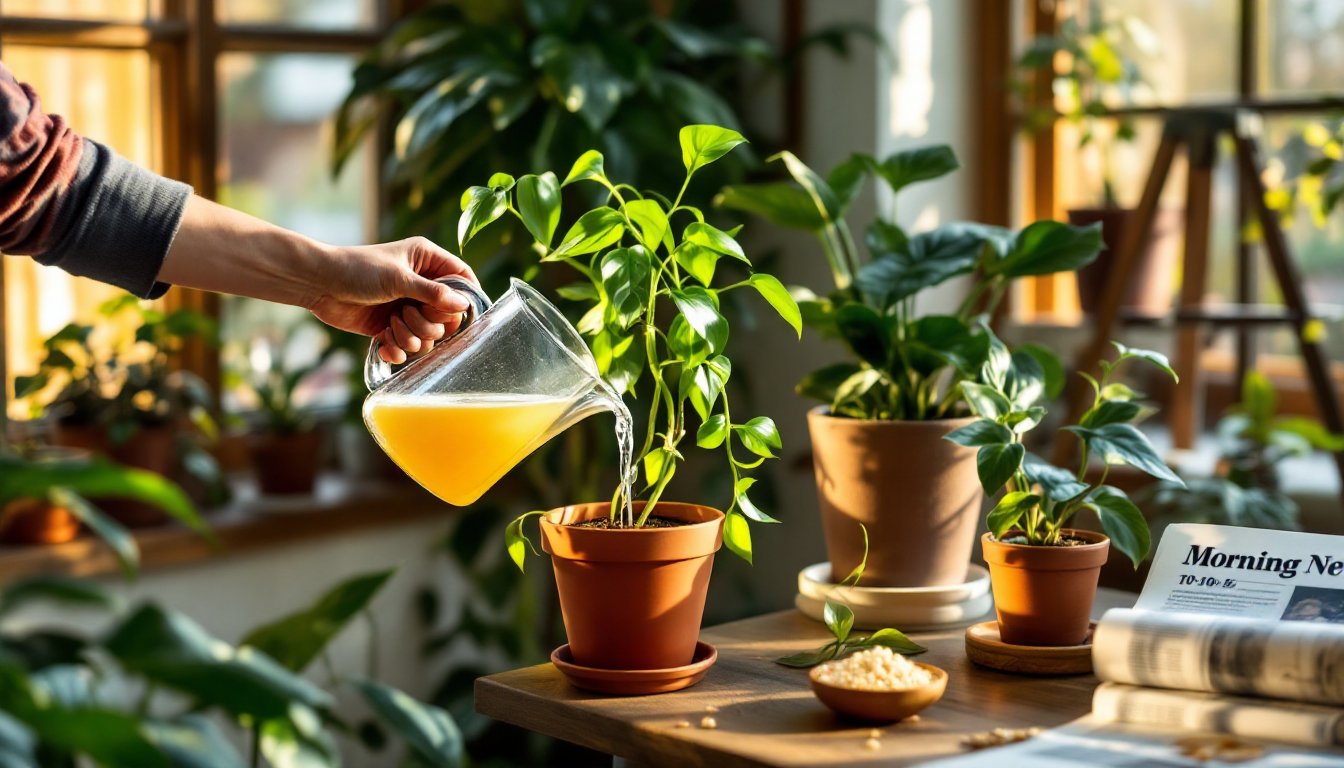
Use a balanced, water-soluble fertilizer (something like 10-10-10 NPK ratio) diluted to half strength. Half-strength feeding is safer than full strength and still feeds effectively. Never fertilize a bone-dry plant: water first, then fertilize 1-2 days later when the soil is moist.
Fall and Winter (Dormancy Period)
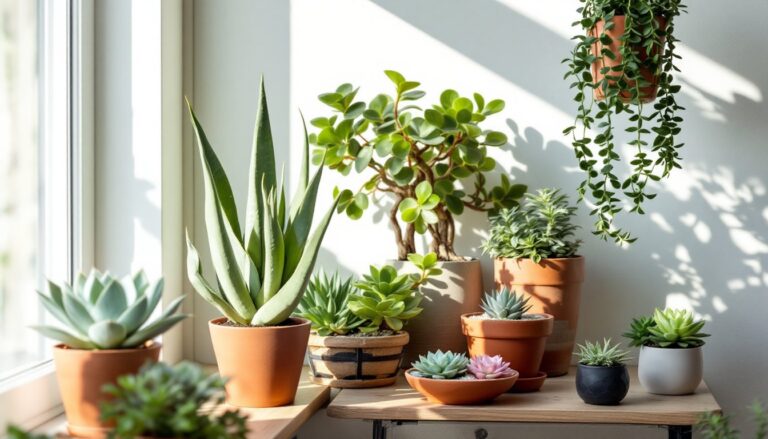
As daylight fades and temperatures drop (usually October through February), most houseplants enter dormancy or near-dormancy. They’re not growing much, so they don’t need much food. Cut fertilizing back to every 8 to 12 weeks, or skip it entirely if your plant is barely growing. Succulents, many cacti, and plants native to seasonal dry climates benefit from zero fertilizing during winter, this actually triggers blooming in some species.
The exception: Tropical plants kept in warm, brightly lit homes (60+ watts per square foot of LED grow light) may grow year-round and need consistent feeding even in winter.
Flowering Plants
If you’re growing orchids, African violets, or other blooming houseplants, use a bloom-specific fertilizer (higher phosphorus) during flower season. This shifts energy from foliage to buds. Once flowering slows, switch back to a balanced formula.
Signs Your Plant Needs Feeding
Don’t just follow a calendar blindly. Watch your plants for real feedback.
Signs a Plant Is Hungry:
- New growth slows or stops even though adequate light and water
- Leaves are pale green or yellowing (especially lower, older leaves) without other causes
- Leaf size shrinks compared to earlier growth
- The plant hasn’t been repotted in over a year and potting soil looks exhausted (compacted, hard to wet)
Signs a Plant Is Overfed:
- Brown or rust-colored crusty buildup on soil surface or pot rim (fertilizer salt)
- Leaf tips turn brown and crispy even though humidity is adequate
- Growth suddenly slows after fertilizing
- Wilting or drooping shortly after feeding, combined with wet soil
If you see salt crust on the soil, flush the pot thoroughly: water slowly at the top until water drains freely from the bottom for 10-15 seconds. Repeat twice. This leaches out accumulated salts. Then resume fertilizing at half the previous frequency or strength.
Many plant parents assume brown leaf tips mean underwatering. It’s often the opposite, overfertilizing damages the root zone, preventing water uptake. Check root health before adding more fertilizer.
Fertilizer Types and Application Methods
Water-Soluble Fertilizers
These are the most common and easiest to control. You dissolve granules or liquid concentrate in water and apply every 4-6 weeks. Brands like Miracle-Gro or The Spruce‘s recommended formulas work well. Pros: precise dosing, easy to dial back strength. Cons: requires consistent schedules and manual mixing.
Slow-Release Fertilizers
These are pellets or spikes you press into soil once at the start of the growing season. They release nutrients gradually over 3-6 months. Pros: set-it-and-forget-it simplicity. Cons: harder to adjust if plants are overfed, and sometimes they release unevenly if soil is too dry or too wet.
Organic Liquid Fertilizers
These (fish emulsion, seaweed extract, worm castings tea) are gentler and less likely to cause salt burn. They also supply trace nutrients and beneficial microbes. Pros: slower nutrient release, less risk of overdose, soil-building. Cons: smell (fish emulsion is notorious), more expensive, and harder to predict exact NPK numbers.
Application Tips
Always dilute to at least half strength for indoor plants. Pour fertilizer solution around the base of the plant, not on the foliage (unless it’s a foliar spray, which is rare for houseplants). Use room-temperature water. Never fertilize a severely stressed or recently repotted plant, wait 4-6 weeks after repotting before feeding, since fresh potting soil contains starter nutrients.
Common Fertilizing Mistakes to Avoid
Using Full-Strength Fertilizer
The label dosage is a maximum, not a target. Indoor plants photosynthesize at lower light levels than outdoor plants and simply don’t need that much. Cut the recommended dose in half or use a quarter-strength “constant feed” method (very dilute fertilizer added to every watering). You’ll see steadier, healthier growth.
Fertilizing on a Fixed Calendar Without Observing the Plant
A slow-growing snake plant doesn’t need feeding as often as a fast-growing pothos. Leggy, stretching plants begging for light don’t grow fast enough to benefit from heavy feeding, fix the light problem first. Watch growth rates and adjust your schedule.
Fertilizing During Dormancy
Winter fertilizing pushes tender new growth in low light, creating weak, leggy stems. Skip it unless the plant is actively growing under grow lights.
Mixing Slow-Release Pellets with Liquid Feeding
If your soil already has slow-release fertilizer, hold off on liquid feeding for the first month or two. Combining them risks salt buildup. Choose one method per season.
Ignoring Water Quality
Tap water in some regions is mineral-heavy (hard water). If your water has high calcium and magnesium, fertilizer salts accumulate faster. Collect rainwater or use distilled water for fertilizing, especially for sensitive plants like orchids and African violets. You can also read more about saving a dying houseplant for recovery tactics if salt burn sets in.
Feeding a Newly Propagated or Stressed Plant
Wait until the plant is clearly established (new growth visible, roots visible at drainage holes) before fertilizing. Stressed plants can’t use nutrients effectively and are more vulnerable to salt burn.
Conclusion
Fertilizing indoor plants boils down to rhythm and observation. Feed every 4-6 weeks in spring and summer, taper to every 8-12 weeks or nothing in fall and winter, use half-strength solutions, and watch for signs of overfeeding. Most DIYers err on the side of too much fertilizer, so if you’re unsure, hold back, you can always add more next month. Keep your large indoor plants and other houseplants thriving by matching fertilizer schedules to their actual growth, not a generic calendar. A little consistency and honest plant-watching beats any complicated formula.