Table of Contents
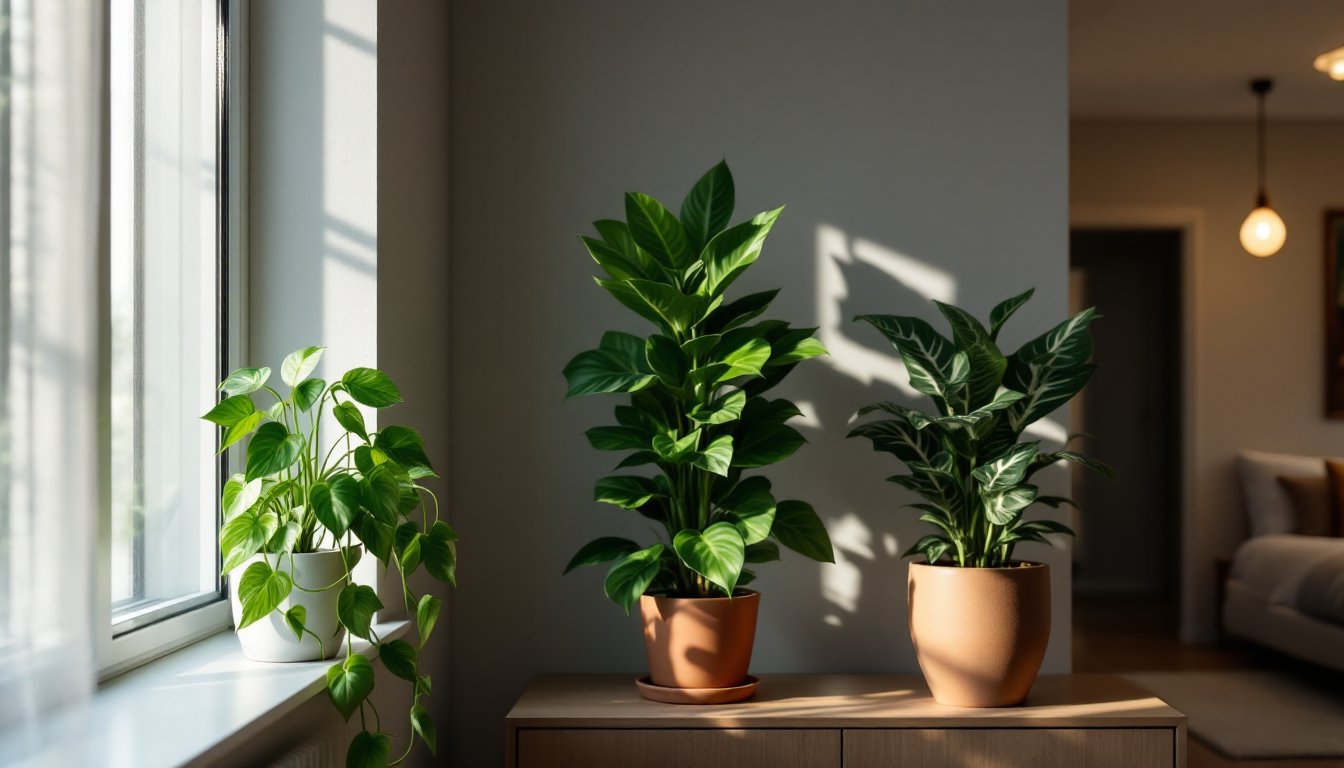
ToggleMost people assume dark corners and windowless bathrooms are dead zones for greenery. But that’s a misconception. Plenty of low-light house plants thrive in spaces where sunlight is scarce, basements, hallways, offices with a single high window, or bedrooms that face north. These forgiving plants don’t just survive dim conditions: they actually prefer them. Whether you’re looking to soften a corner, improve air quality, or simply add life to an overlooked space, low-light tolerant plants are your practical solution. They’re affordable, resilient, and far less demanding than their sun-loving cousins. Let’s explore which ones work best and how to keep them thriving.
Key Takeaways
- House plants that don’t need much light thrive in spaces like basements, hallways, and north-facing rooms where traditional greenery fails, solving real design and practical living problems.
- Pothos and philodendron are the top low-light champions that require minimal care—water every 1–2 weeks, no fertilizer needed, and they’ll actually purify your indoor air by removing formaldehyde and benzene.
- Snake plants and ZZ plants are virtually indestructible, preferring to dry out between waterings and tolerating neglect, making them ideal for frequent travelers or busy households.
- Low-light plants still need 25–75 foot-candles of light (roughly bright indirect light), and you can supplement with affordable LED grow lights placed 6–12 inches above the plant for 10–12 hours daily.
- Overwatering is the leading cause of failure with low-light plants—always check soil moisture before watering and only water when the top inch of soil feels dry.
Why Low-Light Plants Are Perfect for Every Home
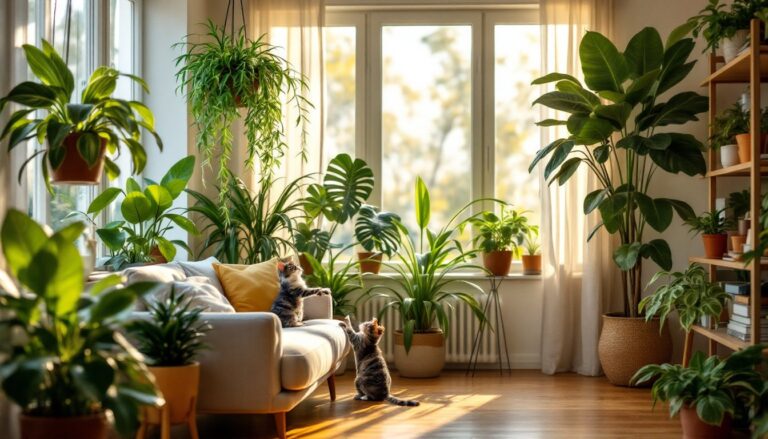
Low-light plants solve a real design problem. Not every corner of a home gets bright, direct sunlight, and that’s okay. Rather than accepting a bare, unused space, a shade-tolerant plant fills it with color and life. These plants are also practical because they adapt to indoor conditions naturally. They evolved in forest understories where they developed the ability to photosynthesize with minimal light. That survival strategy translates directly to your home. They’re forgiving if you forget to water on schedule, often recover from neglect, and rarely suffer from pest infestations that plague finicky, sun-loving varieties.
Besides, low-light plants tend to be budget-friendly. Many are widely available at garden centers and nurseries, so they’re inexpensive. They also grow more slowly than sun-worshippers, which means less frequent repotting, pruning, and fussing overall. If you’re new to houseplants or simply want reliable greenery without daily attention, low-light plants are the sensible choice. They’re not exotic or temperamental, they’re practical companions designed to thrive exactly where traditional decorating wisdom says nothing should grow.
Top Low-Light Tolerant Plants for Your Indoor Space
Pothos and Philodendron: The Low-Light Champions
Pothos (also called devil’s ivy) and philodendron are the workhorses of low-light indoor gardening. Both are vining plants that produce heart-shaped leaves and tolerate neglect better than almost anything else you can buy. Pothos grows faster and is slightly more cold-tolerant: philodendron prefers warmth but forgives irregular watering. Either one thrives in indirect light and actually prefers it to direct sun, which can bleach their leaves.
Both are virtually indestructible. Water every 1–2 weeks when the soil surface feels dry, and you’re done. They don’t need fertilizer, special humidity, or perfect drainage. You can toss them in a hanging basket, train them up a moss pole, or let them cascade from a shelf. They’re also air-purifying, research on indoor plants confirms they remove formaldehyde and benzene from indoor air. A mature pothos vine can reach 40 feet indoors, making it one of the few plants that actually rewards hands-off neglect with impressive growth. For a first houseplant or a fill-in for that gloomy corner, pothos is unbeatable.
Snake Plants and ZZ Plants: Forgiving and Hardy
Snake plants (Sansevieria) and ZZ plants (Zamioculcas zamiifolia) are the minimalists’ dream. Both tolerate irregular watering, low humidity, and inconsistent light better than any other houseplant. Snake plants are upright and architectural: ZZ plants have more delicate, compound foliage. Either one sits happily in a north-facing room or corner with almost no direct sun.
Snake plants actively prefer drying out between waterings. Overwatering is the only real way to kill one. Water every 2–3 weeks or less during winter: if you forget for a month, it won’t complain. ZZ plants are equally forgiving but slightly prefer a bit more consistency, water when the top inch of soil is dry. Both produce natural compounds that absorb toxins (particularly formaldehyde), making them popular in offices. Snake plants come in dozens of varieties with different leaf patterns and colors. ZZ plants grow more slowly but require almost zero maintenance once established. They’re also decorative in their own right: architectural, sculptural, and modern-looking without any fussy styling. If you travel frequently or simply can’t commit to a watering schedule, these are your plants.
Creating the Right Environment for Low-Light Growth
Even low-light plants need some light. “Low light” doesn’t mean total darkness, it means 25–75 foot-candles, roughly equivalent to bright indirect light or the light from a north-facing window. If a room has no windows, you’ll need to supplement with artificial light. A standard LED grow light placed 6–12 inches above the plant for 10–12 hours daily works perfectly. Incandescent bulbs generate too much heat and waste energy: avoid them. LED strips are affordable, cool-running, and energy-efficient.
Watering is critical. Low-light plants grow slowly, so they use less water. Overwatering is the leading cause of failure. Always check the soil moisture before watering, push your finger 1 inch into the soil. If it feels moist, wait. Water only when it’s dry. Use a pot with drainage holes and well-draining soil (a standard indoor potting mix works fine). “Well-draining” doesn’t mean sandy: it means soil that releases water rather than clumping or staying boggy.
Temperature and humidity are less critical than light and water. Most low-light plants tolerate 50–80°F. Humidity below 40% is fine: you don’t need a mister or humidifier. Fertilizer is optional, a diluted liquid fertilizer (half-strength) applied every 4–6 weeks during the growing season supports new growth. During winter, skip fertilizer entirely: the plant rests.
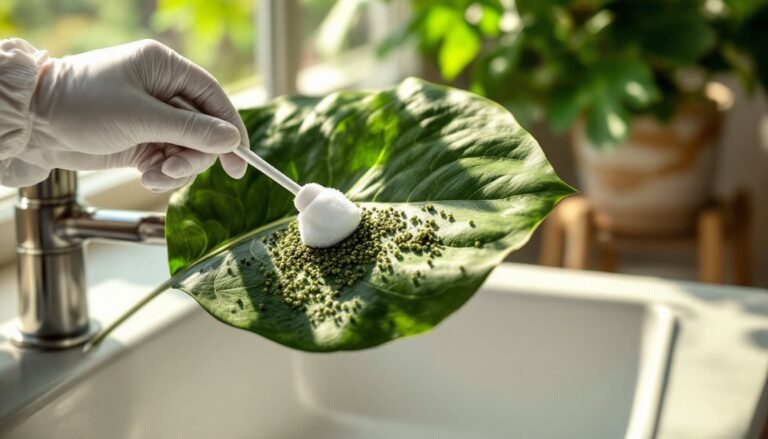
Rotate your plant 90 degrees every 2–3 weeks to ensure even growth toward available light. Without rotation, they’ll lean or reach awkwardly. Also check for dust accumulation on leaves, wipe them gently with a damp cloth every 4–6 weeks. Clean leaves photosynthesize more efficiently, even in low light. These small adjustments compound into healthy, thriving plants that actually look full and vibrant rather than leggy or pale.
Conclusion
Low-light houseplants aren’t a compromise, they’re the practical, smart choice for real homes with imperfect lighting. Pothos, philodendron, snake plants, and ZZ plants do the heavy lifting, thriving where other greenery fails. Pair them with consistent watering habits, good drainage, and occasional leaf cleaning, and you’ll have healthy, attractive plants that actually improve your space. Start with one and prove to yourself how resilient these plants are. Chances are, you’ll add more. And unlike finicky, sun-hungry varieties, these ones won’t punish you for forgetting about them now and then.