Table of Contents
ToggleYour front yard is the first impression guests and passersby get of your home. Unlike annuals that fade by fall, evergreen plants for front of house landscapes deliver consistent color, texture, and structure throughout the year, no replanting required. Whether you’re working with a postage-stamp porch or sprawling foundation beds, evergreens solve the perennial problem of a bare, uninviting entrance. They handle seasonal shifts with grace, require far less fussing than deciduous neighbors, and come in enough shapes and sizes to fit any design vision. If you’ve been intimidated by front yard landscaping, evergreens are your entry point to real, lasting curb appeal.
Key Takeaways
- Evergreen plants for front of house deliver year-round color and structure without replanting, making them ideal for creating lasting curb appeal in any climate.
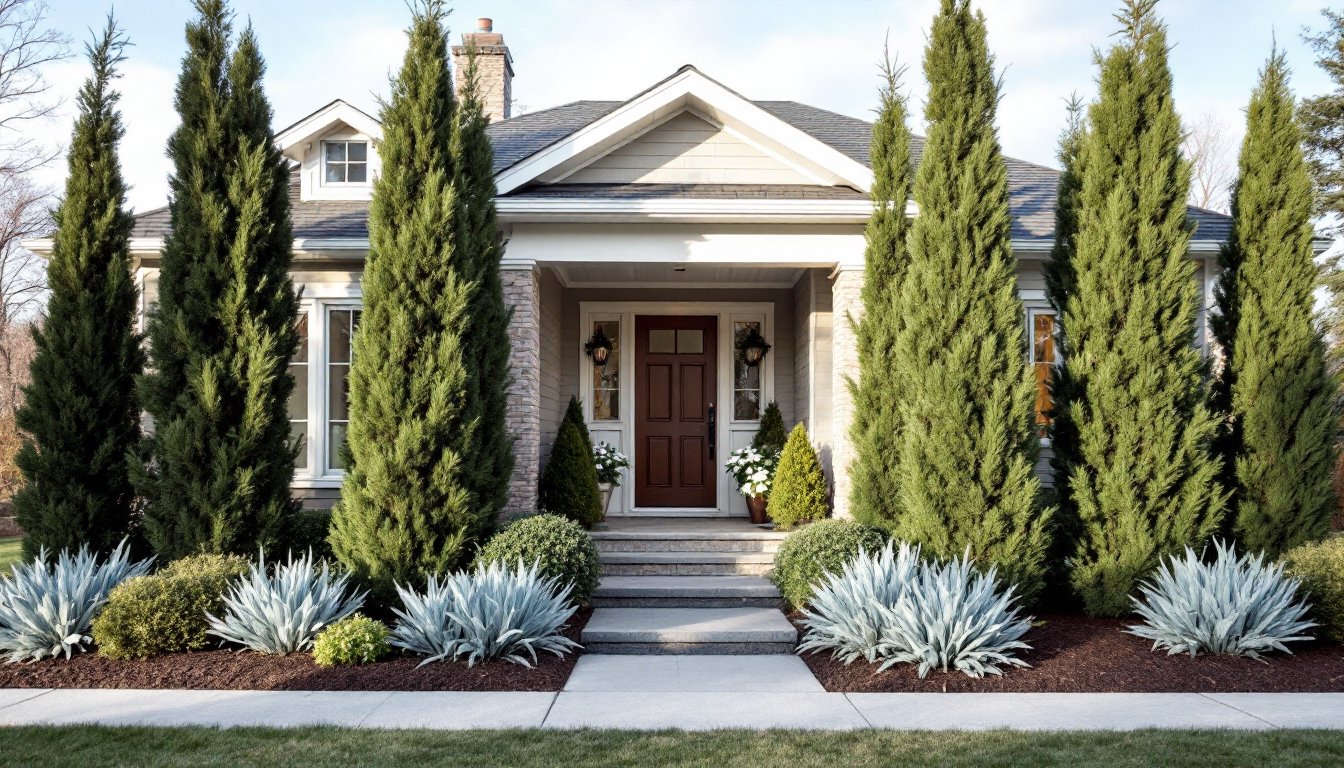
- Dwarf varieties like Dwarf Alberta spruce and Dwarf Japanese holly are perfect for compact front entries, while taller options like Emerald Green arborvitae and Leyland cypress provide privacy and visual weight.
- Most evergreens are drought-tolerant once established and require minimal maintenance compared to deciduous plantings, needing only occasional pruning and infrequent fertilization.
- Plant evergreens in autumn or early spring for optimal root establishment, ensuring the soil line matches grade and leaving 2–3 inches of clear space around the stem to prevent rot.
- Evergreens naturally frame seasonal plantings and accent plants more effectively than other vegetation, creating a cohesive landscape design that looks polished year-round.
Why Evergreen Plants Are Essential For Front Yard Design
Evergreens are the workhorse of front yard landscaping. Unlike trees and shrubs that go bare in winter, evergreens retain their foliage year-round, keeping your front entry visually anchored through all four seasons. This constant presence fills gaps where deciduous plantings would leave naked branches, which is especially critical in climates where winter lasts half the year.
From a design perspective, evergreens provide reliable structure and form. They don’t shift dramatically with the seasons, so you can build a cohesive landscape plan without worrying about plants disappearing. Their steady backdrop also makes accent plants, flowering shrubs, ornamental grasses, or seasonal color, pop more effectively. In narrow foundation beds or tight entry corridors, evergreens work harder than any other plant type because they do their job without demanding constant attention.
Maintenance is the real win. Most evergreens are drought-tolerant once established, require minimal pruning, and resist the diseases that plague high-maintenance plantings. They also provide sound buffering along busy streets and create natural privacy screens without the bulk of a fence. If you’re looking for landscaping plants for front of house solutions that actually work long-term, evergreens should be your starting point.
Best Evergreen Shrubs For Front Entry Appeal
The right evergreen shrub sets the tone for your entire front entrance. Dwarf conifers, broadleaf evergreens like boxwood and holly, and compact junipers each bring distinct character. Your choice depends on your climate zone, available sunlight, and how much visual weight you want the planting to carry.
Dwarf Varieties For Compact Spaces
Dwarf evergreens are the secret weapon for foundation plantings in tight quarters. They stay manageable, typically topping out at 3 to 4 feet tall without aggressive pruning, and fill space proportionally without overwhelming a modest porch or entry.
Dwarf Alberta spruce (Picea glauca conica) is a mainstay for formal, symmetrical plantings. It grows tight and pyramidal, staying 13 feet tall and 3 to 4 feet wide at maturity (though most stay much smaller in containers or foundation beds). It’s hardy to Zone 2, so it survives brutal winters. The catch: it dislikes hot, dry conditions and spider mites can plague it indoors or in overly sheltered spots. Plant it on the north side of your entrance where it gets filtered light.
Dwarf Japanese holly (Ilex crenata ‘Convexa’) is bulletproof in moderate climates (Zones 5–8) and looks like tiny boxwood. It’s dense, compact, and tolerates regular shearing for topiaries or formal hedges. Unlike many dwarf conifers, it handles partial shade and poor soil without complaint.
‘Emerald Green’ arborvitae (Thuja occidentalis ‘Emerald Green’) is arguably the most popular narrow evergreen for front entries in North America. It grows tall and skinny, 20 to 25 feet tall but only 3 to 4 feet wide, making it perfect for flanking doorways or filling gaps without eating up walkway space. It’s hardy to Zone 2 and takes regular pruning. One note: it needs consistent moisture during establishment: let it dry out in year one and it may never fully recover.
Tall Evergreens For Privacy And Structure
Taller evergreens anchor a front landscape and screen unwanted views. They’re also the fastest way to establish visual weight without looking bare or raw.
Leyland cypress (x Cupressocyparis leylandii) grows astonishingly fast, up to 3 feet per year once established, and can reach 60+ feet, though most homeowners keep it pruned to 20–30 feet. It’s feathery, fine-textured, and creates a living privacy wall faster than almost anything else. Hardy to Zone 6, it does best in regions with moderate moisture and won’t tolerate extreme drought or waterlogged soils.
American arborvitae (Thuja occidentalis), also called eastern white cedar, is the tougher, slower cousin of ‘Emerald Green.’ Full-size forms grow 40 to 60 feet tall (and up to 15 feet wide), making them serious privacy screens. They’re native to eastern North America, extremely cold-hardy, and recover well from ice damage, a real asset in harsh winters. Prune in late winter to maintain shape.
Hinoki cypress (Chamaecyparis obtusa) offers fine, almost feathery texture and comes in both dwarf and tall forms. Tall cultivars reach 50+ feet and handle partial shade better than most conifers. They’re pricier and need consistent moisture, but the payoff is a sophisticated, almost Japanese-garden aesthetic. Zones 4–8.
Low-Maintenance Evergreen Ground Covers And Accent Plants
Ground covers and lower-profile evergreens fill voids, add texture variation, and reduce the amount of mulch you’ll need to refresh seasonally. They’re also the easiest plants to establish from smaller nursery stock, so they’re budget-friendly.
Creeping juniper (Juniperus horizontalis) spreads flat against the ground, creating a dense carpet in full sun. Cultivars like ‘Blue Rug’ stay under 6 inches tall and spread 4 to 6 feet wide. They’re incredibly tough, drought-tolerant, salt-tolerant, and hardy to Zone 3. Use them to edge beds or soften the transition between foundation plantings and lawn. They dislike wet feet: plant in well-draining soil or slightly raised beds.
Boxwood (Buxus) is the classic foundation shrub for good reason. Dwarf varieties like ‘Suffruticosa’ stay compact and densely branched. They handle partial shade, tolerate root competition from trees, and respond beautifully to shearing. Hardiness varies by cultivar (Zones 5–9 for most), and they can be pricey. But, they’re nearly indestructible once established and look polished year after year. Watch for boxwood blight in humid climates: ensure air circulation and avoid overhead watering.
Hellebores (Helleborus) are the plant equivalent of a quiet overachiever. They bloom in late winter when almost nothing else is flowering, tolerate deep shade, and stay elegant without fussy maintenance. Most are hardy to Zone 4 and thrive on neglect once settled in. Plant them where you’ll see them from inside, their subtle beauty rewards close inspection.
For a more naturalistic front, consider pairing evergreens with beautiful house plants like ornamental grasses or winter-interest perennials to add movement and seasonal variation without losing year-round structure.
Planting And Care Tips For Year-Round Success
Evergreens are tougher than they look, but establishment matters. Here’s how to give them the best start.
Site Prep and Planting
Check your sunlight. Most evergreens love full sun (6+ hours), though many broadleaf types and some conifers handle partial shade. Plant in autumn (early September through November in most regions) or early spring for best root establishment before summer heat. Autumn planting gives roots a full dormant season to expand before they need to support top growth.
Amend heavy clay with compost or peat before planting, a 1:1 ratio of native soil to amendment works. Dig a hole twice the width of the root ball, equally deep. Position the plant so the soil line on the stem matches grade (not buried). Backfill, firm gently, and water thoroughly. Don’t pile mulch against the stem: leave 2 to 3 inches of clear space to prevent rot and pest issues.
Watering and Establishment
Water deeply (to saturation) immediately after planting and keep soil consistently moist, not waterlogged, for the first growing season. Once roots establish (usually by year two), most evergreens are fairly drought-tolerant, though new plantings need supplemental water during hot, dry spells. In regions with frequent heavy rain, ensure drainage is adequate: evergreens rot quickly in soggy soil.
Pruning and Shaping
Prune evergreens in late winter or early spring while they’re still dormant. Light shearing of new growth keeps them dense and compact. If you need to remove dead or damaged branches, do it anytime. Avoid heavy pruning in late summer or fall, which stimulates tender new growth vulnerable to winter damage. Most evergreens recover poorly from cuts into bare wood, so prune conservatively, small, frequent trims beat radical cutbacks.
Pest and Disease Watch
Evergreens are generally pest-resistant, but watch for spider mites (especially on junipers in hot, dry spots), scale insects, and bagworms. Inspect foliage monthly during the growing season. If you spot webbing, discolored needles, or small insects, address it early with insecticidal soap or neem oil. In wet climates, comprehensive guides from The Spruce cover fungal issues like root rot and needle blight in detail.
Feeding
Evergreens rarely need fertilizer. If your soil is poor, apply balanced evergreen fertilizer (something like 10-8-6) in early spring as growth begins. Avoid high-nitrogen formulas, which encourage soft, easily damaged new foliage. A 2 to 3-inch layer of organic mulch (shredded bark, aged compost) keeps soil cool and moist without fertilizer supplements.
Conclusion
Evergreen plants transform front yards from bare and forgettable into year-round focal points that ask for nothing but water and occasional pruning. Whether you choose a tall privacy screen, a compact dwarf shrub, or a low carpet of creeping groundcover, evergreens earn their space by delivering consistent structure and visual weight without the drama of deciduous neighbors. Start with hardy cultivars suited to your zone, establish them properly in autumn or early spring, and resist the urge to over-maintain. In five years, you won’t remember what bare foundation looked like.