Table of Contents
ToggleAphids are one of the most common indoor plant pests homeowners encounter, and spotting them early makes all the difference between a quick fix and a full-blown infestation. These tiny insects congregate on leaves and stems, sucking sap and leaving a sticky residue that attracts mold and further damage. If you’ve noticed yellowing leaves, sticky droppings on your furniture, or clusters of small bugs on your favorite houseplants, you’re likely dealing with aphids. The good news: eliminating them doesn’t require harsh chemicals or professional help in most cases. This guide walks you through identifying the problem, treating it effectively, and preventing future infestations so your indoor garden stays healthy year-round.
Key Takeaways
- Aphids on indoor plants reproduce rapidly in stable indoor environments without natural predators, making early detection and treatment critical to prevent full infestations.
- Start with natural remedies like strong water sprays, neem oil, or insecticidal soap for light to moderate infestations before resorting to chemical options.
- Inspect new plants in isolation for 7–10 days, maintain consistent humidity and temperature, and clean plant leaves monthly to prevent aphids from establishing colonies.
- Sticky residue (honeydew), yellowing leaves, and visible clusters on leaf undersides are early warning signs that require immediate attention.
- Combine two treatment methods together, such as neem oil plus systemic insecticide, to cut recovery time in half compared to using a single approach.
- Quarantine treated plants for at least 4 weeks after the last sign of infestation, and choose pest-resistant species like snake plants and pothos for easier indoor plant care.
What Are Aphids and Why Do They Infest Indoor Plants
Aphids are soft-bodied insects about 1/8 inch long that come in green, black, yellow, or red depending on the species. They’re attracted to new growth and tender plant tissue, using needle-like mouthparts to pierce leaves and extract plant sap. Indoor plants create the perfect environment: stable temperatures, no natural predators, and continuous new foliage that never hardens off the way outdoor plants do.
These pests reproduce rapidly, some species can give birth to live young without mating, meaning a single aphid can start a colony in weeks. They also secrete honeydew, a sticky substance that attracts ants and promotes sooty mold. Ants will actually defend aphid colonies because they feed on the honeydew, making the pest problem worse. Indoors, with central heating and humidity control, aphids thrive year-round on most common house plants like philodendrons, hibiscus, and ferns.
Unlike outdoor plants that battle weather and natural predators, houseplants live in a sheltered bubble where aphids face almost zero resistance. They can also hitchhike indoors on new plant purchases, propagations from infested plants, or even on your clothing if you’ve been outside.
Early Warning Signs of Aphid Damage
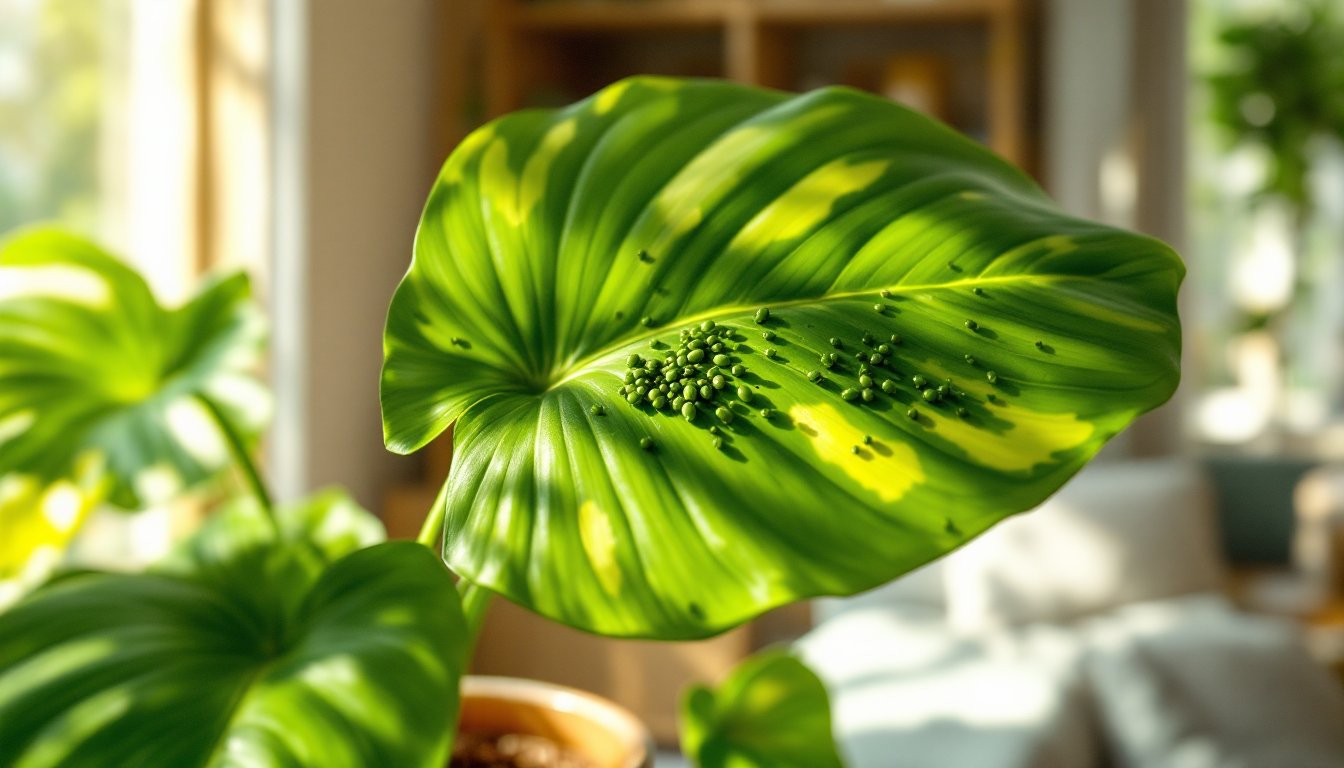
Catch aphids early and you’ll save hours of treatment. The most obvious sign is seeing the bugs themselves, look closely at new leaf growth, along stems, and on the undersides of leaves where they cluster. You might also notice yellowing or curled leaves that seem out of proportion to any watering issues you’ve had.
Sticky residue (honeydew) on leaves, leaf litter, or your furniture underneath a plant is a dead giveaway. Ants crawling on the plant are another clue: they’re farming the aphids. Some plants develop a sooty black coating on leaves, that’s fungal mold growing on honeydew. Stunted growth and twisted new shoots are signs the aphids have been feeding long enough to stunt the plant’s vigor.
The best defense is checking new plants before bringing them indoors and inspecting large indoor house plants and others weekly during spring and fall when growth is fastest. Use a 10x magnifying glass if you’re unsure, early-stage infestations have just a handful of bugs, and they’re easy to miss with the naked eye.
Natural Remedies to Get Rid of Aphids
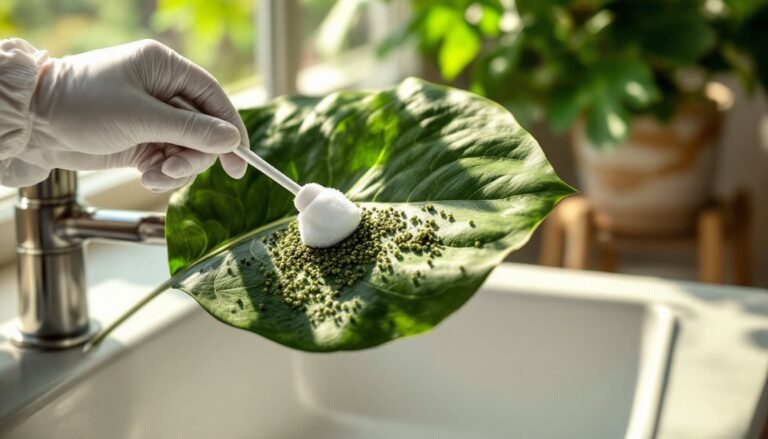
For light to moderate infestations, natural methods work well and avoid introducing chemicals to your indoor air. Start with the simplest approach: a strong spray of room-temperature water. Take the plant to a sink or tub and blast the affected areas with water, focusing on leaf undersides. This dislodges and kills many aphids and removes honeydew. Repeat every 3–5 days for two weeks.
Neem oil is the workhorse of natural aphid control. Mix neem oil concentrate at the label rate (typically 2% solution) with water and a few drops of dish soap to help it spread. Spray the entire plant, top and bottom of leaves, until dripping. Repeat every 7–10 days for three applications. Wear nitrile gloves and safety glasses, neem oil can irritate skin and eyes. Spray in the evening when you won’t be in the room, and ensure good air circulation for at least an hour.
Insecticidal soap is another gentle option that disrupts aphid cell membranes. Products like Safer’s Insecticidal Soap work best on soft-bodied insects and break down within days. Spray thoroughly, covering both leaf surfaces. Like neem oil, repeat applications every 5–7 days are needed.
For severe cases where natural methods aren’t cutting it, horticultural oil (a refined mineral oil product) suffocates aphids by coating their bodies. Use only on non-flowering plants or when flowers aren’t open, as it can damage pollen.
Chemical and Commercial Treatment Options
If aphids are out of control or affecting valuable plants, chemical insecticides offer faster knockdown. Pyrethrin-based sprays (derived from chrysanthemums) work within hours and break down quickly, but they’re still toxic to beneficial insects and should be used as a last resort indoors.
Imidacloprid, a systemic neonicotinoid insecticide, is absorbed by the plant and poisons sap-feeding insects. Products like Bayer Advanced Fruit, Citrus & Vegetable Insect Control use this ingredient. Spray or drench according to label instructions, drench applications (pouring the mix into the soil) work well for potted plants. Systemic insecticides take 5–7 days to show full effect but provide longer protection (2–3 weeks) because the poison moves through plant tissue.
Wear gloves and a dust mask when handling any chemical product, and apply in a well-ventilated area, away from pets and children. Don’t spray flowering plants during bloom if you keep bees indoors or near open windows.
Commercial sticky traps (bright yellow or blue cards) won’t eliminate an infestation but are useful for monitoring populations after treatment. Hang them near affected plants to catch new adults and track whether your treatment is working. Research from sources like this overview of common indoor plant pests shows combining two methods, like neem oil plus systemic insecticide, cuts recovery time in half compared to a single approach.
Prevention Tips to Keep Your Indoor Plants Aphid-Free
An ounce of prevention beats a pound of cure. Inspect any new plant (especially from nurseries or propagations from friends’ plants) in isolation for 7–10 days before adding it to your collection. Rinse new plants under cool water and check leaf undersides carefully.
Maintain stable humidity and temperature, most home conditions are fine, but extremes (below 60°F or above 75°F at night) stress plants and make them more susceptible to pests. Avoid over-fertilizing with high-nitrogen fertilizer, which produces soft new growth aphids love.
Clean plant leaves monthly with a soft cloth and lukewarm water. This removes dust (which can harbor pests) and lets you spot early infestations. Good air circulation helps too: use a small fan on low in the plant area to mimic outdoor breezes. Outdoors, ladybugs and lacewings eat hundreds of aphids, but indoors you can introduce predatory mites (available online) or purchase parasitic wasps if you’re dealing with regular infestations in a greenhouse-like space.
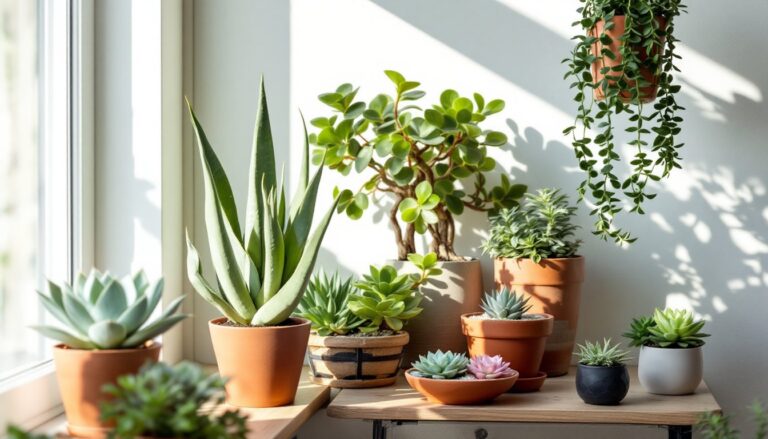
Quarantine any plant showing pest signs before it spreads to neighbors. Keep infected and treated plants separate from your main collection for at least 4 weeks after the last sign of infestation. Finally, when exploring new house tree plants for your home, stick with species known to be pest-resistant indoors, like snake plants, pothos, and ZZ plants, rather than fussier varieties that attract every bug in the book.
Conclusion
Aphids on indoor plants are manageable when you act fast and stay consistent. Combine weekly inspections with water sprays or neem oil, isolate new plants, and maintain clean growing conditions to keep infestations rare. Most homeowners resolve light aphid problems in 2–3 weeks with natural methods alone. The payoff is thriving houseplants and peace of mind, no sticky residue on your windowsill, no ants farming colonies on your prized ferns. Start today, stay vigilant, and enjoy your pest-free indoor garden.