Table of Contents
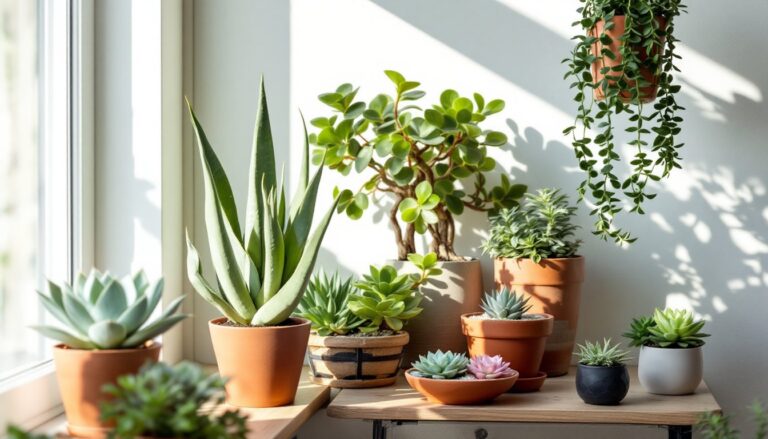
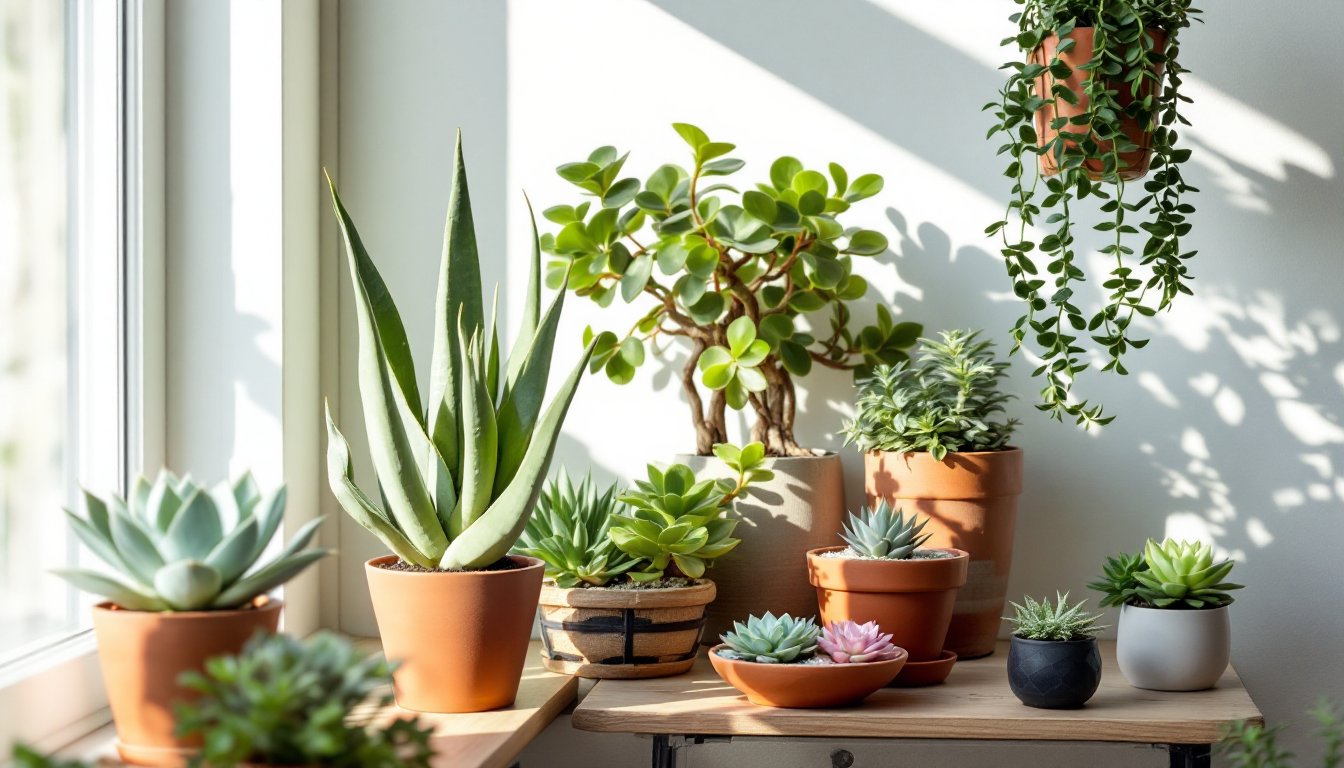
ToggleSucculents are the answer to a homeowner’s prayer: hardy, unfussy, and genuinely beautiful. Whether you’re a seasoned plant collector or someone who kills anything green within a month, succulents belong on your shelf. These fleshy-leaved wonders store water in their tissues, making them forgiving of neglect and perfect for busy lives. From the healing aloe vera to sculptural jade plants, common succulent house plants are transforming homes across the country without demanding constant attention or specialized growing conditions. This guide covers seven proven varieties that thrive indoors, why they work so well for beginners, and exactly how to keep them alive.
Key Takeaways
- Common succulent house plants are drought-tolerant, low-maintenance options that thrive on neglect and require minimal equipment—just proper drainage, cactus soil, and indirect light.
- Aloe vera, jade plants, echeveria, and sedum varieties are proven beginner-friendly succulents that can live for decades indoors when given bright light and infrequent watering.
- Overwatering is the leading cause of succulent death; always let soil dry completely between waterings and ensure every pot has drainage holes to prevent root rot.
- Most common succulent house plants need only 4–6 hours of bright indirect light daily and can survive months without water, making them ideal for busy lifestyles or frequent travelers.
- Succulent propagation is effortless and cost-effective—a single leaf or cutting can become a new plant within weeks, allowing you to expand your collection with minimal expense.
Why Succulents Are Ideal for Your Home
Succulents have become the go-to choice for good reason. Their thick, water-storing leaves mean they tolerate infrequent watering better than most houseplants, a huge advantage if you’re forgetful or travel often. They require minimal special equipment: a pot with drainage, basic potting soil (or cactus-specific mix), and indirect light. Most thrive on a sunny windowsill and ask little else.
These plants also adapt well to indoor conditions. Unlike humidity-loving tropicals, succulents actually prefer the drier air of most homes. They’re compact enough for apartments and small spaces, yet can live for decades with basic care, some jade plants pass down through families like heirlooms. Plus, they’re nearly impossible to overwater if you use proper drainage and let soil dry between waterings, which is the single most important rule.
Aloe Vera: The Healing Wonder Plant
Aloe vera is the utility player of succulents. This tall, upright plant produces thick, gel-filled leaves that you can actually harvest for burns, cuts, and skin irritation, making it genuinely useful beyond the decorative. The plant grows 1 to 2 feet tall indoors and develops a sculptural form without requiring pruning.
Aloe vera demands bright, indirect light and well-draining cactus soil (regular potting mix stays too wet). Water thoroughly when soil is completely dry, then wait. It prefers to dry out for 2 to 3 weeks between waterings. The biggest mistake is overwatering, which causes root rot almost instantly. Place it on a sunny south or west-facing windowsill, and it’ll reward you with low-maintenance presence. If it starts looking pale or translucent, you’re watering too much. If it shrivels, increase light. Blooming indoors is rare but possible, you’ll see tall yellow flower spikes if conditions are perfect.
Jade Plants: Elegant and Long-Lasting
Jade plants are the tortoise of the houseplant world: slow-growing but incredibly long-lived and robust. With thick, coin-shaped leaves and woody stems, mature jade plants develop bonsai-like character and can live 50 years or more indoors. They’re nearly indestructible once established, making them ideal for beginners who want a plant that actually improves with time.
Jade plants thrive on bright light and can even tolerate full direct sun if acclimated gradually. They prefer slightly more water than aloe vera, water when the top inch of soil feels dry, then drain completely. In winter, reduce watering even more. These plants grow slowly, so you won’t outgrow your pot quickly. A mature jade plant might reach 3 to 4 feet tall over 10 years, developing thick trunks and a sculptural branching habit. They’re remarkably pest-resistant and rarely need fertilizing. Propagation is effortless: a single leaf laid on moist soil will root and grow into a new plant within weeks.
Echeveria: Stunning Rosette Formations
If you want visual drama in a small package, echeveria delivers. These squat rosette succulents come in stunning colors, dusty blue, soft pink, pale green, sometimes with red-tinged tips, and grow only 3 to 6 inches tall, perfect for shelves or tabletops. Many beginners overlook them in favor of larger plants, but echeveria deserves a spot on your list.
Echeveria needs bright light to maintain its color: without enough sun, it stretches and loses its compact form. Water when soil is dry and the rosette starts to look slightly wrinkled, then soak the pot and let it drain completely. They’re prone to rot if overwatered, so err on the side of dryness. These plants propagate easily from leaves and offsets (baby rosettes that appear at the base). During spring and early summer, echeveria produces delicate bell-shaped flowers in pink or red, a bonus that rewards good care. Arrange several rosettes of different colors in a shallow dish for a living succulent garden that costs little to create and requires almost no maintenance.
Sedum Varieties: Low-Maintenance Ground Covers
Sedums are the workhorses of the succulent world. These creeping, clumping plants come in dozens of varieties, many spreading sideways across the soil surface rather than growing tall. Some have needle-like leaves, others are fleshy and rounded, all are rugged and forgiving. Common indoor varieties include sedum morganianum (burro’s tail, with trailing strands of blue-green beads) and sedum rubrotinctum (jelly beans, which turn red under bright light).
Sedums tolerate lower light than most succulents but perform best with moderate to bright indirect light. Water when soil is dry, which might be every 10 to 14 days in growing season, much less in winter. They’re nearly impossible to kill through underwatering. Many sedums develop small star-shaped flowers in pink, white, or yellow if light is good enough. Trailing varieties look spectacular in hanging baskets or cascading off shelves. Compact sedums work well in shallow dish gardens mixed with echeveria and smaller aloe varieties. If a sedum gets leggy or overgrown, you can cut it back, and the trimmings will root and become new plants. For a cheap house plants approach to filling shelf space, nothing beats sedum propagation.
Essential Care Tips for Healthy Succulents
Success with succulents boils down to three non-negotiables: drainage, light, and restraint with water.
Drainage is critical. Every pot must have at least one drainage hole. Use cactus-specific potting mix or amend regular potting soil with coarse sand (25 to 30 percent by volume). Poorly draining soil kills succulents faster than anything else. A pot that’s slightly too small is safer than one that’s too large, excess soil holds moisture around the roots.
Light drives health. Most succulents want 4 to 6 hours of bright indirect light daily. South and west-facing windows are ideal. If your plant is stretching (internodes spacing leaves far apart) or losing color, light is likely the culprit. Rotate plants monthly so all sides develop evenly. A grow light (1 to 2 feet above plants) works if natural light is limited.
Watering is the biggest risk. The general rule: water thoroughly until it drains from the pot, then don’t water again until soil is completely dry (check 1 to 2 inches down). In winter, watering can stretch to every 3 to 4 weeks or longer. Always err on the dry side. Succulents can survive months without water: they can’t survive weeks of wet roots. Container material matters, terracotta dries faster than plastic, which is helpful.
Soil acclimation before planting matters. Let bagged cactus soil sit open for a day so it’s not overly compacted. Gently loosen the root ball when repotting instead of cramming it directly into new soil. Most succulents need repotting only every 2 to 3 years, and then only if they’re rootbound.
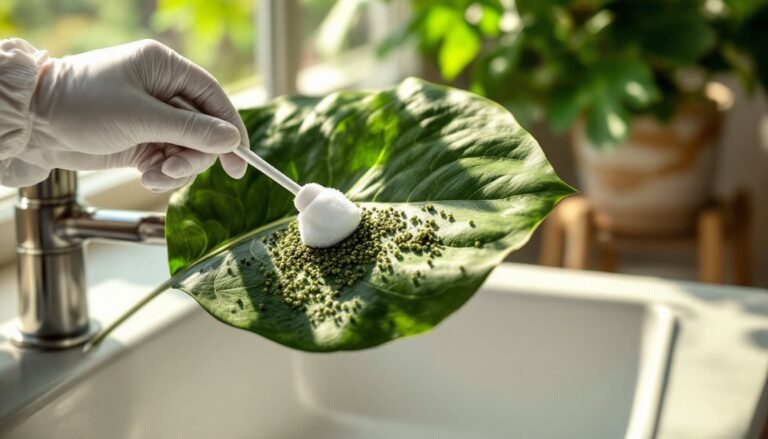
Beyond the basics, succulents rarely need fertilizer. If you feed them, use a diluted cactus fertilizer in spring and summer only, every 4 to 6 weeks at half strength. Pests are rare indoors unless plants are severely stressed. Mealybugs and spider mites can appear on weak specimens, isolate affected plants and spray with neem oil or insecticidal soap. For examples of other reliable houseplants worth pairing with succulents, explore most common house plants options that share similar low-maintenance traits. If you want to expand your collection, types of cactus house plants offer equally forgiving alternatives to the succulent varieties covered here.
Conclusion
Common succulent house plants offer something rare in the indoor gardening world: genuine beauty paired with genuine toughness. Aloe vera, jade, echeveria, and sedum varieties give beginners the confidence to keep plants alive while building real gardening skills. The key is matching expectations to reality: use proper drainage, provide honest light, and resist the urge to overwater. Start with one or two varieties, master their care, then expand. Within months, you’ll have a thriving collection that costs almost nothing to maintain and improves your home for years.