Table of Contents
TogglePicking the right pot for your indoor plants is way more important than it sounds. The wrong container can stunt growth, cause root rot, or just clash with your décor, and then you’re stuck with a wilting plant and buyer’s remorse. A good pot does triple duty: it protects the plant’s health, looks intentional in your space, and actually fits your lifestyle. Whether you’re growing herbs on a kitchen windowsill or nurturing a sprawling pothos in the corner, understanding pot materials, drainage needs, and design fundamentals will save you frustration and money down the road.
Key Takeaways
- Choosing the right indoor pot for plants requires balancing three factors: plant health needs, your lifestyle, and your home décor—the wrong container can cause root rot, stunt growth, or create visual clutter.
- Ceramic and terracotta pots breathe and prevent waterlogging, making them ideal for plant health, while plastic and resin options are lightweight, budget-friendly, and better suited for moisture-loving plants like ferns and peace lilies.
- Drainage holes are non-negotiable for indoor pots; always select a container 1 to 2 inches larger in diameter than the plant’s root ball to prevent both root rot and growth restriction.
- Ceramic glazed pots feel contemporary, terracotta reads earthy and artisanal, and resin containers offer a modern aesthetic—repeating one or two consistent pot styles creates visual harmony in your indoor garden.
- Tall plants need heavier, more stable containers like ceramic or terracotta, while lightweight plastic pots work best for frequently moved plants or apartments where weight is a concern.
Understanding Indoor Pot Materials and Their Benefits
Ceramic and Terracotta: Classic Choices for Plant Health
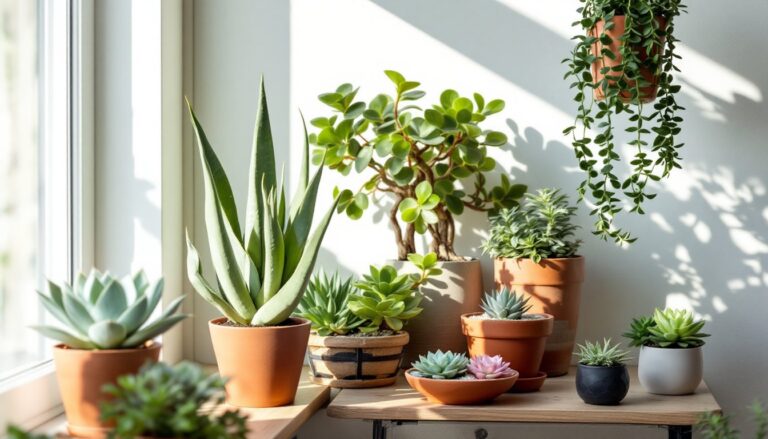
Ceramic and terracotta remain go-to materials for serious plant parents because they breathe. These porous materials allow air and moisture to move through the walls, which helps prevent waterlogging, the leading cause of root rot in indoor plants. Terracotta, the unglazed clay option, is the most breathable and best suited for plants that prefer drier conditions, like succulents, cactus, and snake plants. The downside: terracotta is fragile, can be heavy, and tends to look rustic rather than refined.
Ceramic pots offer the same breathability benefits but come glazed or unglazed, so they’re more versatile stylistically. They’re sturdier than terracotta and come in endless colors and finishes, which makes them ideal if you’re matching décor or want something with a polished look. Both materials do require a saucer underneath to protect furniture from water damage, and they’re pricier than plastic. If your plant’s health is the priority and you’re willing to pay for it, ceramic and terracotta are solid bets.
Plastic and Resin: Lightweight and Budget-Friendly Options
Plastic pots don’t get much love from design-conscious plant lovers, but they solve real problems. They’re lightweight (crucial for hanging plants or apartments where weight matters), affordable, and nearly indestructible. Plastic doesn’t breathe like ceramic, though, so plants dry out more slowly and moisture lingers longer in the soil. This makes plastic better suited for plants that like consistently moist soil, think ferns, peace lilies, or tropical foliage plants that prefer humidity.
Modern plastic pots and resin containers now come in sophisticated finishes that mimic concrete, stone, or textured surfaces, so the aesthetic gap between plastic and ceramic has narrowed. The trade-off is durability: plastics can crack or fade in bright indirect sunlight over years, and they’re less stable for tall, top-heavy plants. Resin containers are more durable than standard plastic, often UV-resistant, and cost a bit more, but they’re still cheaper than ceramic. If you’re on a tight budget, moving plants frequently, or caring for species that want moist soil, plastic or resin pots make practical sense.
Size, Drainage, and Essential Features for Healthy Plants
Getting pot size right is genuinely critical, and it’s one of the easiest things to mess up. A pot that’s too large holds excess moisture and promotes root rot: one that’s too small restricts growth and dries out too fast. The rule of thumb is straightforward: choose a pot 1 to 2 inches larger in diameter than the plant’s root ball. If you’re repotting, measure the current container’s diameter and step up by one size. Drainage holes are non-negotiable, they must be present in the bottom of any pot meant for regular watering. No exceptions. Without drainage, water pools, roots suffocate, and fungal issues follow.
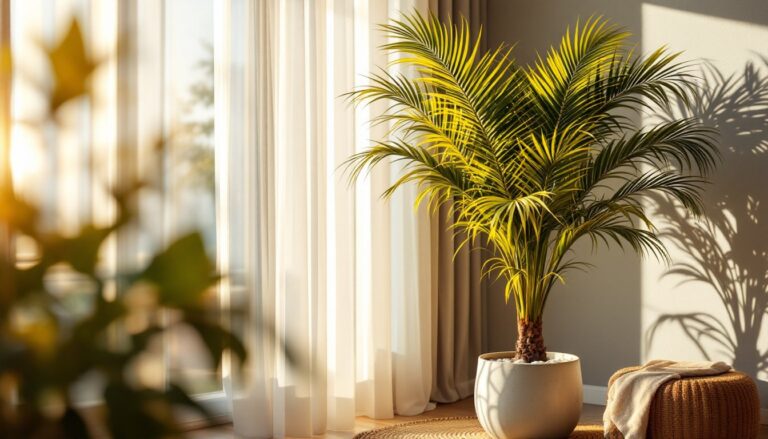
Beyond size and drainage, think about pot weight and stability. Tall plants with shallow root systems can topple in light containers, especially if they’re in an active household or near curious pets. Ceramic and terracotta are heavier and more stable: plastic is easier to move but may feel tippy with a large plant on top. Some growers use a weighted plastic pot or add pebbles to the bottom for extra stability, don’t cover drainage holes when you do this.
If you’re uncertain about drainage, you can drill small holes in the bottom of a container you love, though this requires a tile or drill bit rated for the material. For those who want drainage without the mess, beautiful house plants often come with recommendations on double-potting, placing a pot with drainage inside a decorative container without holes. This keeps water off your furniture while maintaining airflow around the roots. One final feature to consider: lip height and shape. A pot with a rolled rim or lip is easier to hold and less likely to catch and tear foliage when you’re moving the plant around.
Styling Indoor Pots to Match Your Home Décor
Your pot choices shape how your indoor garden reads in your space. Cohesive styling, where pot colors and finishes echo your furniture and walls, feels intentional and polished, while mismatched containers create visual clutter. Start by picking a color palette: neutrals (white, cream, gray, terracotta, concrete tones) work in almost any room, while bolder colors (deep greens, blues, blacks) make a statement but demand more deliberate pairing with your surroundings.
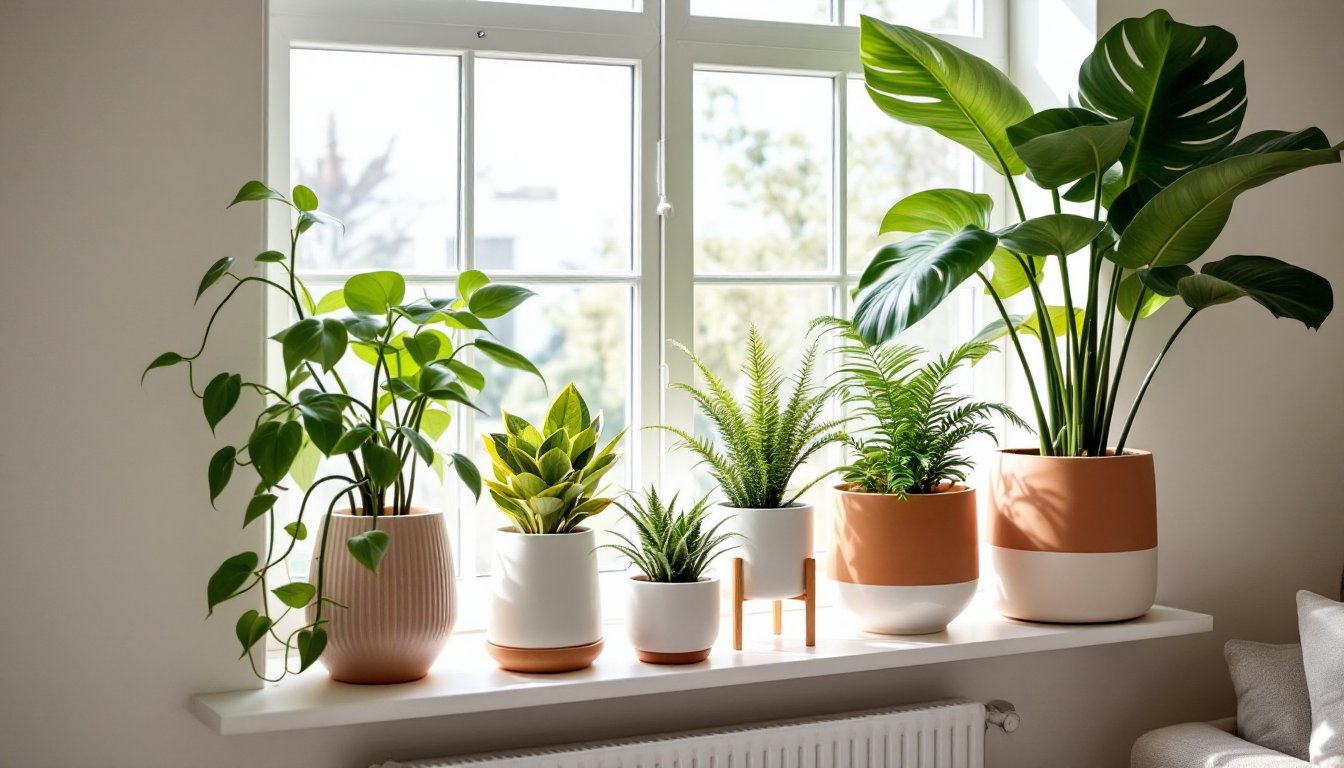
Material choice also communicates style. Ceramic glazed pots in soft pastels or matte blacks feel contemporary: terracotta and handthrown ceramics read more earthy and artisanal: resin pots mimicking concrete or stone feel modern and minimalist. When styling a group of plants together, repeating one or two pot styles or colors creates visual harmony rather than chaos. You can vary heights and plant sizes while keeping containers consistent, it’s visually calming and looks intentional.
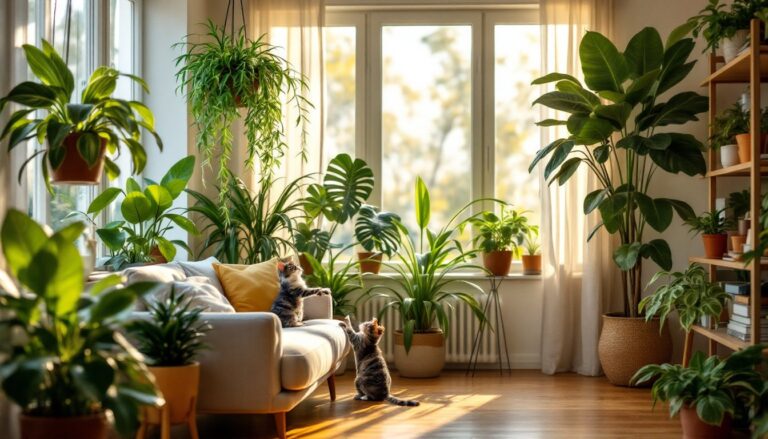
Consider where the pot will live too. A kitchen windowsill benefits from smaller, practical pots in whites or greens: a living room corner might call for a larger statement pot that anchors the space: a bedroom could feature softer, more delicate glazing. According to design resources like The Spruce, grouping plants of different heights in coordinating pots creates a curated mini-garden effect that photographs well and feels professionally styled. Don’t overthink it, consistency in finish (all matte or all glossy) or all one color family already elevates the look. Most common house plants like pothos, snake plants, and monsteras look sharp in simple, unfussy vessels, so you don’t need expensive containers to achieve polish.
Conclusion
Choosing the right indoor pot boils down to three things: the plant’s health needs (drainage, breathability, size), your lifestyle (how often you water, whether you move plants around), and your aesthetic goals (does it fit your space?). Ceramic and terracotta prioritize plant health: plastic and resin offer practicality and budget sense. Whatever you choose, prioritize drainage, size appropriately, and pick finishes that feel intentional in your home. Start with these fundamentals, and your plants, and your décor, will thank you.