Table of Contents
ToggleBathrooms often feel forgotten when it comes to adding greenery. Poor lighting, humidity spikes, and limited floor space create the impression that plants simply won’t survive there. That’s a misconception. Some of the toughest, most reliable houseplants actually prefer low light and thrive on the warm, moist environment a bathroom provides. A few strategically placed low light bathroom plants can turn your bathroom from a purely functional space into a calming retreat. Whether you’re squeezed into a small apartment bathroom or working with an ensuite that barely sees natural light, there’s a plant waiting to do the job.
Key Takeaways
- Low light bathroom plants thrive in humid, warm environments created by showers and baths, eliminating the need for frequent watering compared to dry living spaces.
- Pothos and Philodendrons are the most forgiving low light options, tolerating neglect and growing well in trailing or climbing arrangements on shelves and brackets.
- Snake Plants and Cast Iron Plants survive with minimal light and infrequent watering, making them ideal for bathrooms with zero natural light or inconsistent care schedules.
- Overwatering is the leading cause of plant failure in bathrooms; always check if the top inch of soil is dry before watering to prevent root rot.
- Proper drainage with holes in pots, occasional ventilation to prevent mold, and monthly pest inspections are essential maintenance habits that keep bathroom greenery healthy.
- A small LED grow light positioned for 8–10 hours daily provides an energy-efficient backup solution for bathrooms that lack any natural light exposure.
Why Bathrooms Are Ideal For Low Light Plants
Bathrooms are uniquely suited to low light plants for several practical reasons. First, the humidity naturally present in a bathroom, from showers and baths, mimics the tropical environments where many shade-tolerant plants originated. Unlike a dry living room, a bathroom’s moisture-rich air reduces the need for frequent watering and prevents foliage from drying out prematurely.
Second, most bathrooms receive either indirect, filtered light or consistent low light conditions. A north-facing window, a small frosted window, or a space tucked away from direct sun is exactly what low light plants prefer. Bright, direct sun can actually scorch delicate leaves and fade variegated foliage, so the bathroom’s subdued lighting is a feature, not a bug.
Third, the confined space and regular foot traffic mean you’ll notice your plants daily. That proximity encourages you to spot issues early, yellowing leaves, pest damage, or root rot, before they spiral. Bathrooms also tend to stay warmer and more temperature-stable than other rooms, which suits tropical and subtropical plants well. And let’s be honest: adding living greenery to a bathroom, even a small one, instantly improves air quality and creates a spa-like atmosphere without expensive renovations.
Top Low Light Bathroom Plants That Thrive
Pothos and Philodendrons
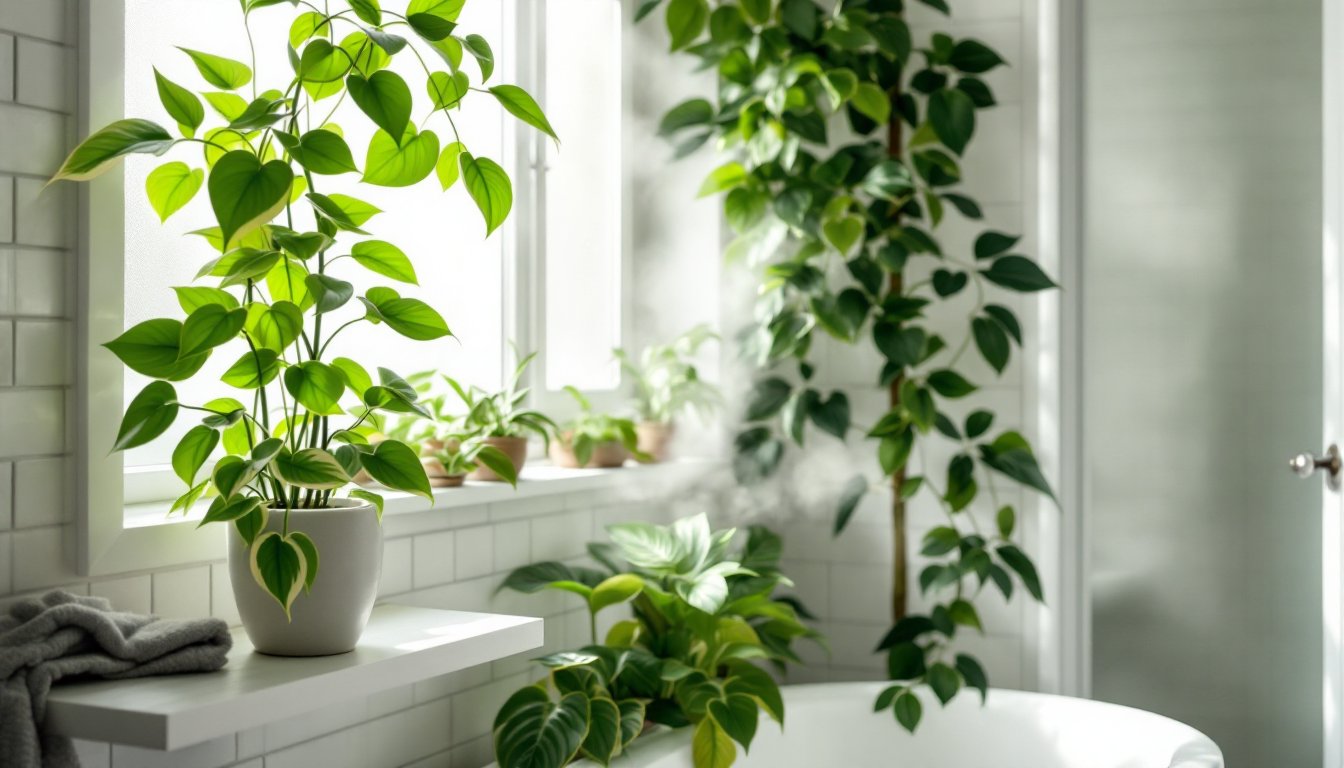
Pothos (also called Devil’s Ivy) and Philodendrons are the workhorses of low light gardening. Both are vining plants with heart-shaped leaves, incredibly forgiving, and nearly impossible to kill. Pothos grows faster and is more compact: Philodendrons tend to be bushier and slightly more graceful in form.
Both plants tolerate low light far better than most houseplants and only need water when the soil feels dry an inch below the surface, perfect for busy homeowners. In a bathroom, pothos thrives trailing from a shelf or climbing a moss pole. Variegated varieties like Pearls and Jade or Golden Pothos brighten shadowy corners without demanding bright light. Philodendrons, such as the Heartleaf Philodendron, stay compact and work well on small shelves or hanging from a mounted bracket.
The humidity in a bathroom keeps their leaves glossy and prevents the brown leaf tips common in drier homes. Water quality matters: if your tap water is heavily chlorinated, let it sit overnight before watering, or use filtered water. Both plants are toxic to cats and dogs, so if you have pets, place them out of reach or choose a pet-safe alternative.
Snake Plants and Cast Iron Plants
Snake Plants (Sansevieria trifasciata) are legendary for surviving neglect. Upright, architectural, and often variegated with yellow edges, they add structure to a bathroom corner without taking up much floor space. They actually prefer to dry out between waterings and can handle inconsistent watering schedules, ideal if you forget to water regularly.
Cast Iron Plants (Aspidistra elatior) live up to their name: nearly bulletproof. They’re dense, glossy-leafed, and slow-growing, making them perfect for a shelf that rarely moves. Both plants tolerate the low light in interior bathrooms with no windows. Neither demands humidity, though they appreciate it. The trade-off is that they grow slowly, so if you want rapid transformation, stick with pothos or philodendrons.
Snake plants do prefer slightly cooler temperatures than bathrooms sometimes reach, so avoid placing them directly above a heater vent. Cast Iron Plants are even more easygoing and work in cold or warm bathrooms alike. Both clean air effectively, removing toxins like benzene and formaldehyde that linger in enclosed spaces. Complement these hardy plants with other resilient options like Ferns or ZZ Plants if you want a slightly more varied look while maintaining the low-light, low-maintenance advantage.
Essential Care Tips For Bathroom Greenery
Watering is the most common mistake. Because bathrooms are humid, soil stays moist longer than in a living room. Check the top inch of soil before watering: if it’s still damp, wait another few days. Overwatering leads to root rot, which kills more houseplants than neglect. Use room-temperature water or filtered water if tap water is heavily treated.
Light and positioning matter more than most DIYers think. Place plants on a shelf near the brightest spot in your bathroom, usually near a window, even if it’s a frosted one. If your bathroom has zero natural light, a small LED grow light positioned above the plant for 8–10 hours daily is a smart, inexpensive backup. LED lights are energy-efficient and won’t raise your electric bill noticeably.
Drainage is non-negotiable. Always use pots with drainage holes. If you want a decorative pot without drainage, use it as a cachepot and nestle a draining nursery pot inside. This prevents water from pooling at the roots. Bathroom humidity reduces the risk of soil drying too fast, but standing water still rots roots.
Ventilation prevents fungal issues. Crack the bathroom door or window occasionally after a shower to let steam escape. Stagnant, super-humid air can encourage mold and mildew on both soil and leaves. A simple exhaust fan running during and after showers helps. Fertilizer is light work in low-light bathrooms. Apply a diluted, balanced fertilizer (like 20-20-20) once per month during the growing season (spring and summer). In fall and winter, skip it, plants slow down and don’t need feeding.
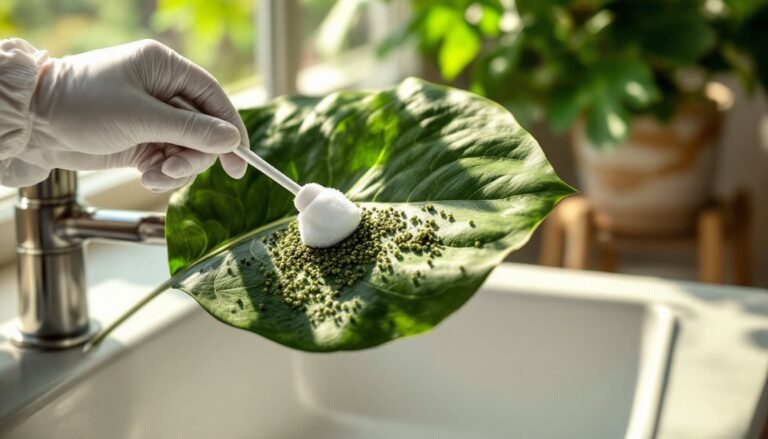
Pests are less common in bathrooms than in other rooms, but spider mites and mealybugs can hide in humid spaces. Inspect new plants before bringing them in, and check your existing plants monthly. If you spot white cottony clusters or fine webbing, isolate the plant, spray it with neem oil or a diluted insecticidal soap, and repeat every 7–10 days until the infestation is gone. Always read label instructions and test on a small area first to avoid leaf burn.
Consider consulting resources like guides on indoor plants for low light or comprehensive home improvement guides to deepen your knowledge. Rotating your plants every few weeks encourages even growth. And if you’re integrating multiple plants, think about scale: a trailing pothos overhead and an upright snake plant below create visual rhythm without clutter.
Conclusion
Low light bathroom plants aren’t a consolation prize, they’re a practical, beautiful upgrade to a space that typically goes overlooked. Pothos, Philodendrons, Snake Plants, and Cast Iron Plants thrive where most houseplants fail, requiring minimal light, modest water, and infrequent fussing. With a few simple habits, checking soil moisture, ensuring drainage, and the occasional feed, your bathroom transforms into a serene green haven. Start with one resilient plant and build from there. Your future self, stepping into a cooler, cleaner, green-fringed bathroom on a tough day, will thank you.