Table of Contents
ToggleIf you’re looking to make a real visual impact in your home without a major renovation, big leaf indoor plants are your answer. These architectural plants don’t whisper, they command attention. A single Monstera or Alocasia can anchor an entire room, adding depth, texture, and that coveted “designed” look that makes visitors ask what interior designer you hired. Unlike small tabletop ferns or succulents, big leaf indoor plants work fast to transform bare walls and empty corners into lush focal points. Whether you’re furnishing a new home, brightening a dim hallway, or covering that awkward blank wall in your office, these plants deliver instant green impact while improving air quality at the same time.
Key Takeaways
- Big leaf indoor plants deliver instant visual impact and transform bare walls into lush focal points without requiring a major home renovation.
- Monsteras, Pothos, and Philodendrons are forgiving, low-maintenance options that tolerate indirect light and neglect better than fussier houseplants.
- Water when the top 1–2 inches of soil feel dry and ensure proper drainage, as overwatering is the leading cause of indoor plant failure.
- Moss poles and climbing support structures help big leaf indoor plants develop larger, more mature foliage while utilizing vertical space efficiently.
- Bright indirect light, moderate humidity (50–60%), and monthly diluted fertilizer during spring and summer maximize growth and leaf development.
- Alocasias offer dramatic sculptural leaves but require more consistent moisture and higher humidity than hardy varieties like Pothos or Monsteras.
Why Big Leaf Plants Make Perfect Home Additions
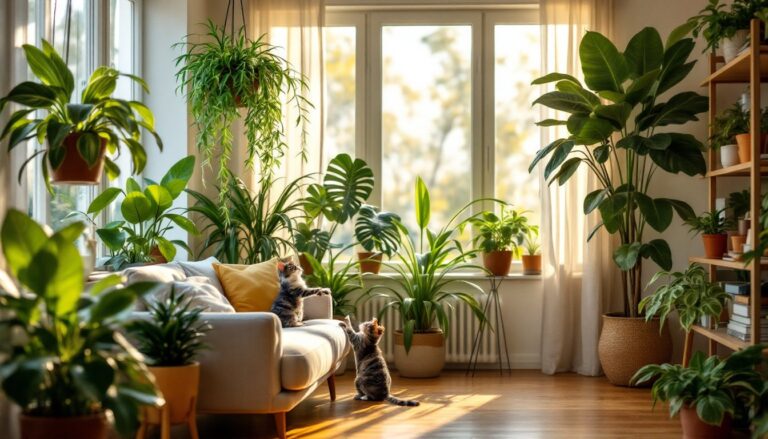
Big leaf indoor plants are workhorses for the modern home. They create visual drama without taking up floor space, a tall Monstera or Philodendron climbing a moss pole fits neatly in a corner yet fills the vertical space that small plants can’t touch. This matters in apartments, condos, and homes where square footage is precious.
They’re also forgiving. Most big leaf varieties tolerate lower light than you’d expect and don’t demand constant attention. A Pothos or Philodendron can bounce back from neglect that would kill fussier plants. That practical durability is why these plants show up in office buildings and rental apartments, they work in the real world, not just designer photoshoots.
From a design angle, big leaf plants add texture and architectural interest. Their oversized foliage, whether split like a Monstera or heart-shaped like a Philodendron, becomes part of your decor. They soften hard lines, fill empty walls, and create rhythm in a room. Beautiful House Plants: Transform can help you choose varieties that complement your existing style, whether minimalist, tropical, or eclectic.
Best Big Leaf Indoor Plants for Your Space
Monstera Deliciosa and Swiss Cheese Plant Varieties
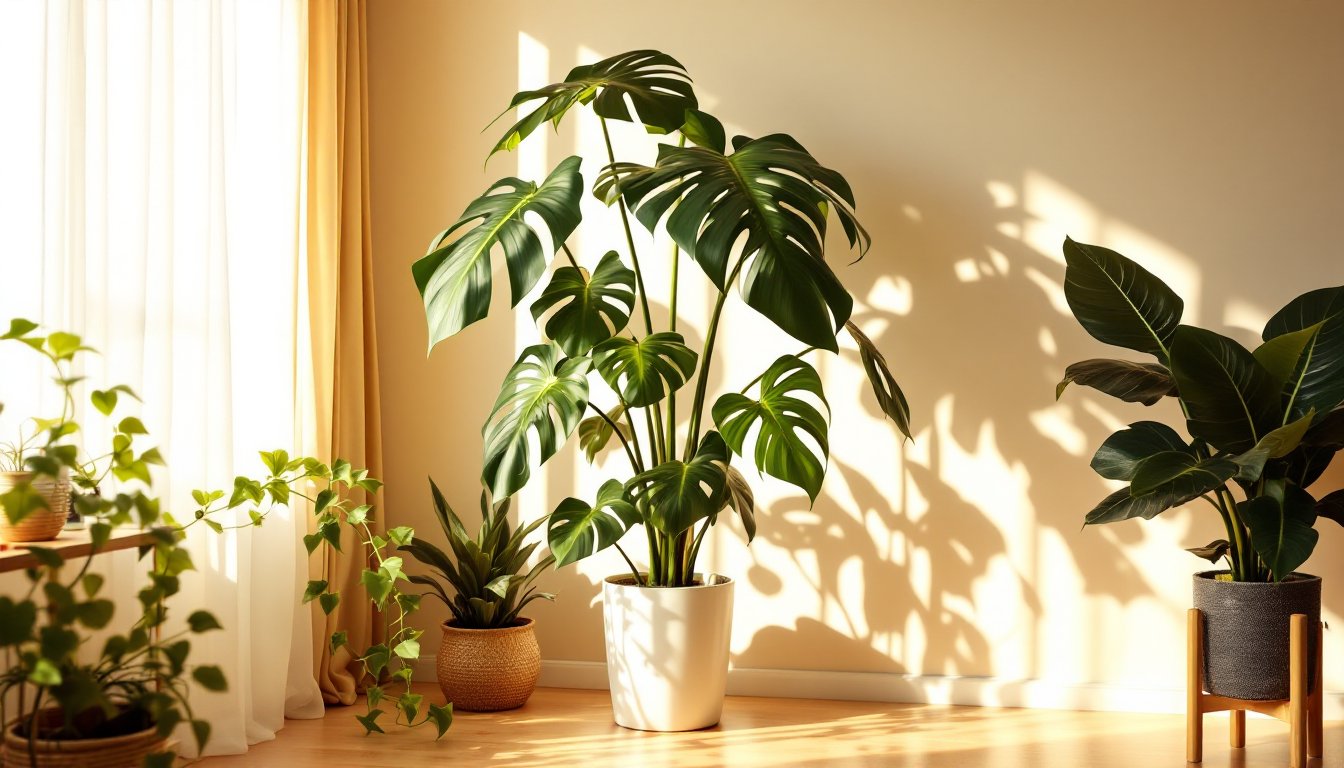
The Monstera Deliciosa remains the gold standard for big leaf indoor plants. Its iconic split leaves grow to 12+ inches wide, and the plant itself can reach 6–8 feet indoors with proper support. The fenestrations (those distinctive Swiss cheese-like holes) develop as the plant matures, so patience pays off. Monsteras tolerate indirect light, irregular watering, and dry indoor air better than most tropicals. They don’t need a permit, but they do need room to climb, a moss pole or trellis keeps them vertical and looking intentional.
The Rhaphidophora tetrasperma (Mini Monstera) is a more compact cousin with the same split-leaf appeal at 3–4 feet tall, ideal for smaller rooms or shelving. Both respond well to climbing and spreading, which is what large indoor house plants thrive on in a home setting. The actual Monstera Deliciosa tolerates dry air and indirect light, making it a solid pick for less-than-ideal growing conditions.
Pothos, Philodendrons, and Alocasia Options
Pothos (Epipremnum aureum) is the workhorse. Heart-shaped leaves start small but grow to 3–4 inches indoors, especially on a moss pole where the plant can climb and mature. It tolerates severe neglect, low light, and inconsistent watering, rare traits in houseplants. Train it up a wall, across a shelf, or let it cascade from a hanging basket. Growth is fast enough to fill space in months.
Philodendrons come in split-leaf varieties (like Philodendron Ginny) and heart-leaf types. Heart-leaf Philodendrons are nearly identical to Pothos in toughness and care but with slightly thicker, darker foliage. Split-leaf Philodendrons like the Philodendron Brazil develop larger, more interesting leaves as they mature. These are equally low-maintenance and work in any light from bright indirect to low. Viney house plants include many Philodendron varieties that naturally climb and trail, making them ideal for vertical displays.
Alocasia plants offer drama and a different aesthetic. Leaves are typically larger, more sculptural, and often have striking color contrasts, deep green or near-black with silver or white veining. Alocasia varieties like Alocasia Black Velvet or Alocasia Cucullata have that bold statement-plant feel. The trade-off: Alocasias are slightly fussier than Monsteras or Pothos. They prefer consistent moisture (not wet, but not dry) and higher humidity. They’re still manageable with attention, and the visual payoff is worth it if you’ve got the right spot, bright indirect light and moderate warmth.
Essential Care and Growing Tips
Light, Water, and Humidity Requirements
Big leaf plants don’t need direct sun pounding through a window all day. Most prefer bright indirect light, the kind you get from an east or west-facing window with sheer curtains, or a spot a few feet back from south-facing glass. Low light tolerance varies by species. Pothos and Philodendrons will survive in low light but grow slowly and leaf spacing spreads out (the plant gets leggy). Alocasias need brighter spots to maintain color and growth. Monsteras sit in the middle, they’ll tolerate lower light but push better growth and split development with more brightness.
Watering is where most people go wrong. Water when the top 1–2 inches of soil feel dry to the touch, not on a fixed schedule. Big leaf plants prefer to dry out slightly between waterings. Overwatering kills more indoor plants than underwatering. Soil should drain well, use a standard potting mix, not garden soil, which compacts and holds water. If your pot lacks drainage holes, drill them. There’s no workaround for pooling water.
Humidity matters, especially for Alocasias and mature Monsteras. Most homes sit around 30–40% humidity: tropicals prefer 50–60%. Misting occasionally helps, though it’s not a cure-all. Better strategies include grouping plants together (they create a microclimate), setting pots on a tray with pebbles and water (the pot sits on pebbles, not submerged), or running a small humidifier. In winter, furnace heat dries air faster, so monitor closely. The Spruce offers detailed guides on humidity management and seasonal adjustments.
Feeding is optional in rich potting soil but helpful. Use a diluted balanced fertilizer (10-10-10) monthly during the growing season (spring and summer), then taper off in fall and winter. Don’t fertilize in winter when growth naturally slows. More fertilizer doesn’t equal bigger plants, it often causes salt buildup in soil, which burns roots.
Support structures matter for climbing varieties. A moss pole works because aerial roots can grip it, pulling the plant upward and triggering larger leaf development. Tie stems gently with soft ties (cloth strips work fine), not tight wire. If you want the plant to trail, skip the pole and let it cascade, equally valid, just a different look.
Rotation helps. Turn your plant a quarter turn every month or two so all sides get light and growth stays balanced. This prevents the plant from leaning toward the window and developing one-sided canopies.
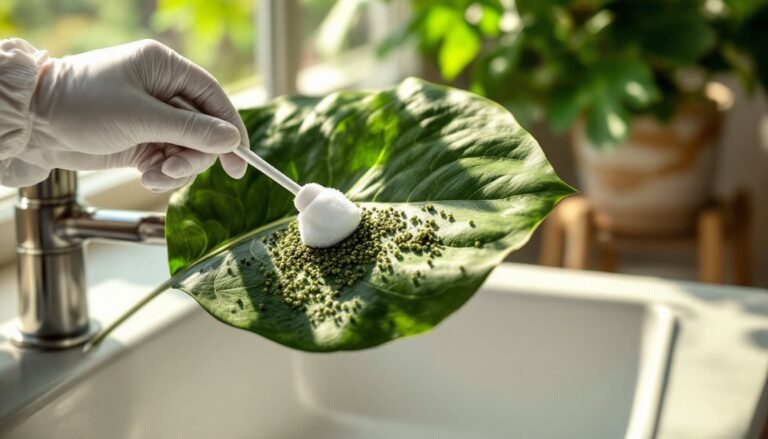
Watch for pests. Spider mites and mealybugs sometimes appear indoors, especially in dry conditions. Spray with insecticidal soap or neem oil, following label directions. Isolate the affected plant temporarily to prevent spread to neighbors. Southern Living provides regional care tips and seasonal adjustments if you’re in a climate-specific area like the South or Southwest where humidity and temperature swings differ.
Conclusion
Big leaf indoor plants transform homes with minimal fuss and maximum visual return. Whether you choose a statement Monstera, a hardy Pothos, or a bold Alocasia, these plants deliver architectural interest, improved air quality, and that lived-in green oasis feel. Start with bright indirect light, water when dry, and give them room to climb or trail. From there, they do most of the work. Your home will look designed, and feel alive.