Table of Contents
ToggleAdding unique house plants to your interior isn’t just about filling empty corners with greenery, it’s about crafting spaces that feel alive, fresh, and intentionally designed. Whether you’re a seasoned plant parent or picking up your first potted companion, the right selections make all the difference. In 2026, indoor gardening has shifted beyond the typical pothos and spider plant predictability. Homeowners and design enthusiasts are seeking plants with personality: bold patterns, architectural silhouettes, and care routines that don’t demand perfection. This guide walks you through seven standout unique house plants that deliver visual impact, reasonable maintenance, and the kind of authenticity that makes a house feel like a home.
Key Takeaways
- Unique house plants add personality and visual impact to your space while purifying air and boosting mood far more effectively than standard decor.
- Monstera Deliciosa, Calathea Orbifolia, Fiddle Leaf Fig, String of Pearls, and Pilea Peperomioides each offer distinct visual styles suited to different light conditions and care levels.
- Choose unique house plants based on your home’s light conditions, lifestyle, and design goals rather than chasing trends—consistency and attention deliver the best results.
- Fiddle Leaf Figs and Monsteras require bright, indirect light and benefit from monthly leaf care and rotation, while String of Pearls thrives on minimal watering in succulent-friendly conditions.
- Start with one or two selections to learn their care rhythms, then expand thoughtfully to build a rewarding indoor garden that reflects your personal style and living situation.
Why Unique House Plants Matter More Than Ever
Bringing living plants indoors does more than decorate walls, it purifies air, boosts mood, and creates focal points that anchor a room’s design. Unlike mass-produced decor, plants change with seasons and grow over time, becoming part of your home’s story. A unique house plant offers personality that bland furniture catalogs can’t touch. It signals intention, care, and a connection to nature that resonates across design styles, from minimalist lofts to cozy cottages.
The shift toward unusual varieties stems partly from social media and interior design trends, but there’s substance behind it. Homeowners have realized that the same three plants everyone else owns create visual sameness. Unique selections, like those with variegated leaves, unusual growth patterns, or statement-making size, transform a room from forgettable to memorable. They’re conversation starters, living art, and genuine companions for the spaces we spend most of our time in.
The best unique house plants balance aesthetics with practicality. They won’t demand daily fussing, but they do reward attention with visual rewards. Whether you’re drawn to dramatic foliage or cascading tendrils, there’s a plant that fits both your space and your lifestyle.
Monstera Deliciosa: The Swiss Cheese Plant
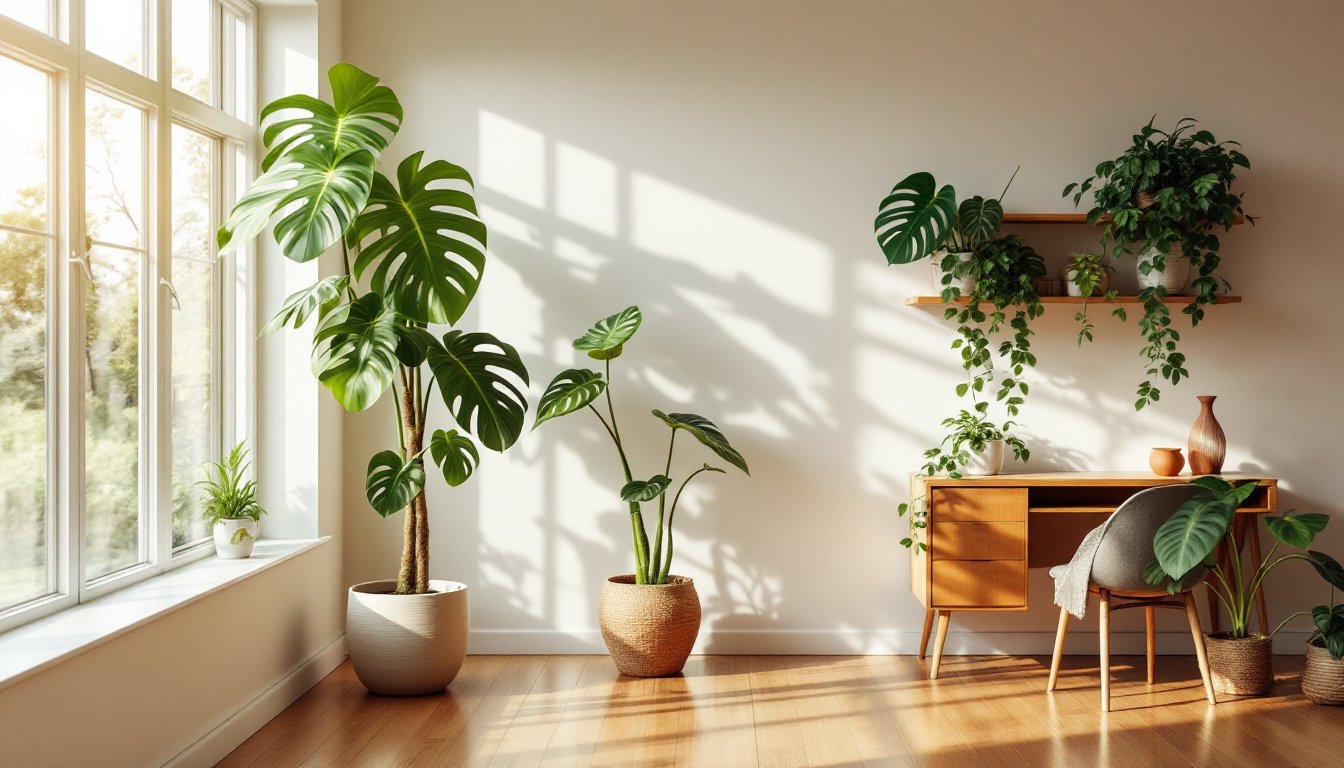
The Monstera Deliciosa, or Swiss Cheese Plant, has earned its place as a design staple for good reason. Its oversized, fenestrated leaves (the holes that give it its nickname) create an immediately recognizable silhouette. What makes it unique isn’t just its appearance: it’s the plant’s architectural presence that works in contemporary, bohemian, and even traditional spaces.
Monsteras thrive in bright, indirect light and prefer soil that dries slightly between waterings. They’re forgiving plants, miss a watering or two, and they’ll bounce back. Mature plants can reach 5–10 feet indoors, so position yours near a sturdy stake or moss pole for support. The vines naturally climb in the wild, and they respond beautifully to training.
One practical note: fenestrated leaves only develop on mature growth. A young Monstera will look like a regular vine at first. Patience pays off. Rotate the plant monthly for even light exposure, and wipe leaves occasionally to maximize photosynthesis. Propagation is straightforward, stem cuttings root easily in water or soil. For those exploring beautiful house plants, Monsteras represent an entry point into more adventurous selections.
Calathea Orbifolia: Bold Patterns and Low Maintenance
The Calathea Orbifolia brings patterned foliage that looks hand-painted: silvery-green leaves with crisp dark stripes. It’s the plant for anyone who wants visual drama without demanding constant attention. Unlike some fussy Calatheas, Orbifolia is relatively forgiving and rewarding for mid-level plant parents.
Calatheas prefer consistent moisture (not soggy) and indirect, bright light. They’re sensitive to cold drafts and sudden temperature swings, so avoid spots near AC vents or chilly windows. The leaves sometimes curl slightly in dry air, a humidity tray with pebbles helps, though these plants aren’t as needy as their reputation suggests. During growing season (spring and summer), fertilize monthly with diluted liquid fertilizer.
The payoff is worth the modest effort. Calathea Orbifolia stays relatively compact, typically 24 inches tall, making it perfect for shelves, desks, or side tables. The patterns shift subtly as new leaves unfold, giving you something fresh to notice week to week. Keep soil consistently moist but never waterlogged, and rotate every few weeks for balanced growth. This plant is an excellent step up from most common house plants if you’re ready for slightly more nuanced care.
Fiddle Leaf Fig: A Statement Piece for Modern Spaces
The Fiddle Leaf Fig (Ficus lyrata) commands a room the moment you bring it home. Its large, violin-shaped leaves and substantial height (3–10 feet indoors) create an unmissable focal point. It’s become synonymous with modern farmhouse and contemporary decor, and for good reason, there’s nothing subtle about its presence.
Fiddle Leaf Figs demand bright, indirect light, ideally in a corner or beside a window with sheer curtaining. They’re slower growers than Monsteras but more stable once established. Water when the top 2 inches of soil feel dry, and avoid moving the plant frequently: they’re notoriously finicky about location changes. New leaf unfurling is slower than other figs, but each addition feels like a victory.
Setbacks happen, brown leaf tips often signal inconsistent watering or low humidity. Wipe leaves monthly with a soft, damp cloth to maximize light absorption. Fiddle Leafs respond well to pruning if you want to encourage bushier growth rather than height. This is a commitment plant: it rewards consistency with stunning visual payoff. For spaces with good natural light and a homeowner willing to give it steady attention, a Fiddle Leaf Fig elevates the entire interior. Consider pairing it with large indoor house plants in your design planning for balanced visual weight.
String of Pearls: Cascading Beauty for Shelves and Hanging Planters
The String of Pearls (Senecio rowleyanus) takes a completely different approach to plant design. Instead of upright or vining growth, it cascades in delicate strands dotted with pea-sized, succulent leaves. Hung from a shelf or trailing from a tall planter, it creates movement and visual softness in any room.
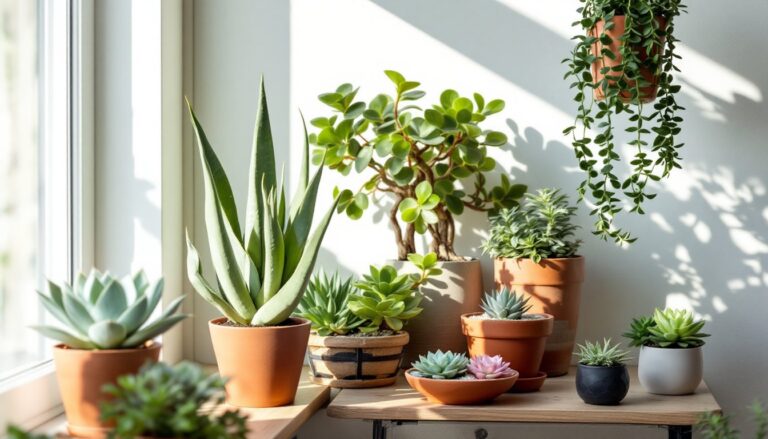
This is a succulent, so it thrives on neglect rather than fussing. Bright light is essential, a south or west-facing window is ideal. Water sparingly, allowing soil to dry completely between waterings. Overwatering is the quickest path to root rot, so err on the drier side. During winter, reduce watering even further. The plant produces tiny white flowers in spring if conditions are right, adding an unexpected bonus.
String of Pearls grows slowly but steadily, and propagation is foolproof: individual leaf nodes pressed into dry soil root within weeks. If strands become too sparse or leggy, refresh the planter with propagated cuttings. This plant appeals to both minimalists and maximalists, minimalists love its clean aesthetic, while maximalists enjoy layering it with other unique house plants for a living wall effect. Its low demands make it perfect for high shelves or dimly lit corners where other plants would struggle.
Pilea Peperomioides: The Coin Plant Everyone Wants
The Pilea Peperomioides, the Coin Plant or Chinese Money Plant, has a devoted following for its charming, coin-shaped leaves arranged in neat rosettes. It’s compact, grows methodically, and produces a visual rhythm that’s endlessly satisfying to watch develop over months.
Pileas prefer bright, indirect light and moderate watering. Let the top inch of soil dry out before watering again. They’re not drought-tolerant like succulents, but they’re far more forgiving than fussy tropicals. One quirk: Pileas are heliotropic, meaning they lean toward light. Rotate the plant weekly to encourage even, upright growth rather than a lopsided silhouette.
What makes Pilea special is its propagation habit. Mature plants produce offshoots (“pups”) at the base, which can be separated and potted independently once they develop small root systems. This makes Pilea an affordable way to expand your collection or share with friends. Heights typically max out around 12 inches, making it ideal for desks, nightstands, or grouped with other plants in a statement collection. The Coin Plant is a stepping stone into more interesting selections if you’re graduating from common succulent house plants toward personality-driven choices.
Conclusion: Creating Your Unique Indoor Garden
Building a collection of unique house plants is less about following trends and more about curating spaces that reflect who you are and how you live. Each plant, whether a dramatic Fiddle Leaf Fig or a delicate String of Pearls, brings its own character and demands. The key is matching the plant to your light conditions, lifestyle, and design goals rather than chasing every Instagram favorite.
Start with one or two selections, learn their rhythms, then expand thoughtfully. Your indoor garden will become richer and more rewarding with time and attention.