Table of Contents
ToggleNot everyone has the time, energy, or natural talent to keep a living plant alive. Between inconsistent watering schedules, low light conditions, and the occasional brown thumb, many homeowners resign themselves to either adopting a plant, and watching it wilt, or skipping greenery altogether. That’s where faux indoor plants step in. Modern artificial plants have evolved dramatically over the past decade, moving far beyond the plastic daisies of the 1980s. Today’s high-end silk and polyester options look so convincing that visitors often reach out to touch them. Whether you’re dealing with a dark corner, a busy household, or simply want the aesthetic of a jungle without the maintenance headache, faux indoor plants offer a practical, stylish solution that won’t leave you feeling guilty when life gets hectic.
Key Takeaways
- Faux indoor plants eliminate watering, fertilizer, and maintenance while thriving in any light condition, making them ideal for busy professionals, frequent travelers, and challenging spaces like dark corners and windowless offices.
- High-end silk and polyester plants look remarkably realistic with hand-tied leaves and natural textures, while budget-friendly plastic alternatives work best when grouped in clusters of odd numbers for visual impact.
- Styling faux plants correctly—using quality ceramic or terracotta planters, placing them near natural light areas, and avoiding direct grouping with real plants—determines whether they enhance your décor or look obviously artificial.
- Regular dusting every two to four weeks with a soft microfiber cloth and placement away from direct sunlight keeps artificial plants looking fresh and prevents the dull, faded appearance that gives them away.
- Common mistakes to avoid include overcrowding spaces, investing in cheap low-quality plants, using plastic pots, and ignoring realistic plant growth patterns when deciding where to place faux vines and trailing varieties.
- For design-minded homeowners, faux indoor plants offer predictable consistency with no seasonal dormancy, wilting, or brown tips, while remaining pet-safe and allergy-friendly alternatives to living plants.
Why Faux Indoor Plants Are Worth Considering
The first question many people ask is simple: why not just buy a real plant? The answer depends on your lifestyle and space. Faux plants require zero watering, no fertilizer, and they won’t drop leaves all over your floor when stressed. They thrive in any light condition, dark corners, windowless offices, or rooms with inconsistent sunlight. For busy professionals, parents juggling multiple responsibilities, or anyone who travels frequently, artificial plants eliminate the guilt of neglect.
Beyond convenience, faux plants solve real design problems. A “real plant” section might not fit your budget or decor vision, especially if you want large indoor house plants that make a statement. Artificial options let you commit to a specific aesthetic without the financial risk of watching a $50 plant slowly decline. They’re also pet-safe (no toxic foliage for curious cats), allergy-friendly (no pollen), and they won’t develop pest infestations like spider mites or fungus gnats.
There’s also an underrated practicality: consistency. A faux monstera looks identical every single day. There’s no seasonal dormancy, no wilting during a heat wave, no brown tips to snip off. If you’re renting, you avoid any confusion about what’s real versus what’s decor. For design-minded homeowners, this predictability is actually liberating, you know exactly what the space will look like six months from now.
Types of Artificial Plants That Look Surprisingly Real
Not all fake plants are created equal. The market ranges from obvious plastic stems (which have their place in certain contexts) to museum-quality silk reproductions that fool botanists. Understanding the spectrum helps you pick the right option for your budget and space.
High-End Silk and Polyester Options
Silk and polyester plants occupy the premium tier. These materials mimic the texture and movement of real foliage far better than basic plastic. Silk leaves have a subtle sheen and drape naturally: they flex and bend without looking stiff. Hand-finished silk plants often include variations in leaf color and size, just like real plants. A silk ficus tree or polyester pothos vine, for example, will have leaves in slightly different shades of green, some darker, some lighter, with veining that actually looks botanical.
These options work beautifully in high-traffic areas, offices, or formal living spaces where you want the visual impact of greenery without compromise. They pair well with beautiful house plants styling ideas, placing them in quality planters and using them as statement pieces. The downside? Price. A realistic silk plant can run $30 to $150+ depending on size and detailing. But if you’re filling a large empty corner or staging a rental property, the investment pays off visually.
Look for plants with hand-tied leaves, UV-resistant coatings (to prevent fading), and weighted bases or soil (which makes them feel and sit like real plants). These details distinguish high-end faux plants from cheap knockoffs.
Budget-Friendly Plastic Alternatives
Modern plastic plants have improved dramatically. They won’t fool anyone up close, but from a distance, especially in less obvious spots like shelving, bookshelves, or accent corners, budget plastic works fine. A plastic succulent plant ($5 to $15) or a pothos vine in plastic ($8 to $20) adds visual interest without very costly.
Budget plastics work best in groups or clusters, which naturally soften the “artificial” appearance. A single plastic plant feels lonely and obviously fake. Three or five mixed together, in varying heights and pot styles, look intentional and layered. They’re also durable, perfect for homes with kids or pets where durability matters more than premium realism.
The trade-off is obvious: at close range, plastic doesn’t have the subtle leaf variation or texture that silk offers. But if your goal is simply filling a space affordably, cheap house plants alternatives can work as practical decor.
Styling and Placement Tips for Natural-Looking Results
Having a faux plant doesn’t mean “toss it in a corner and call it done.” Placement and styling make the difference between a room that looks thoughtfully decorated and one that looks like a furniture store clearance section.
First, consider planter choice. A generic plastic pot screams “fake.” Swap it for a ceramic, terracotta, or concrete planter that matches your decor. Heavier, quality pots also ground tall plants visually and make them feel more substantial. Add a layer of fake or real moss (real moss adds authenticity without maintenance) around the soil surface, and the whole setup feels more intentional. Resources like MyDomaine offer excellent planter pairing ideas for different styles.
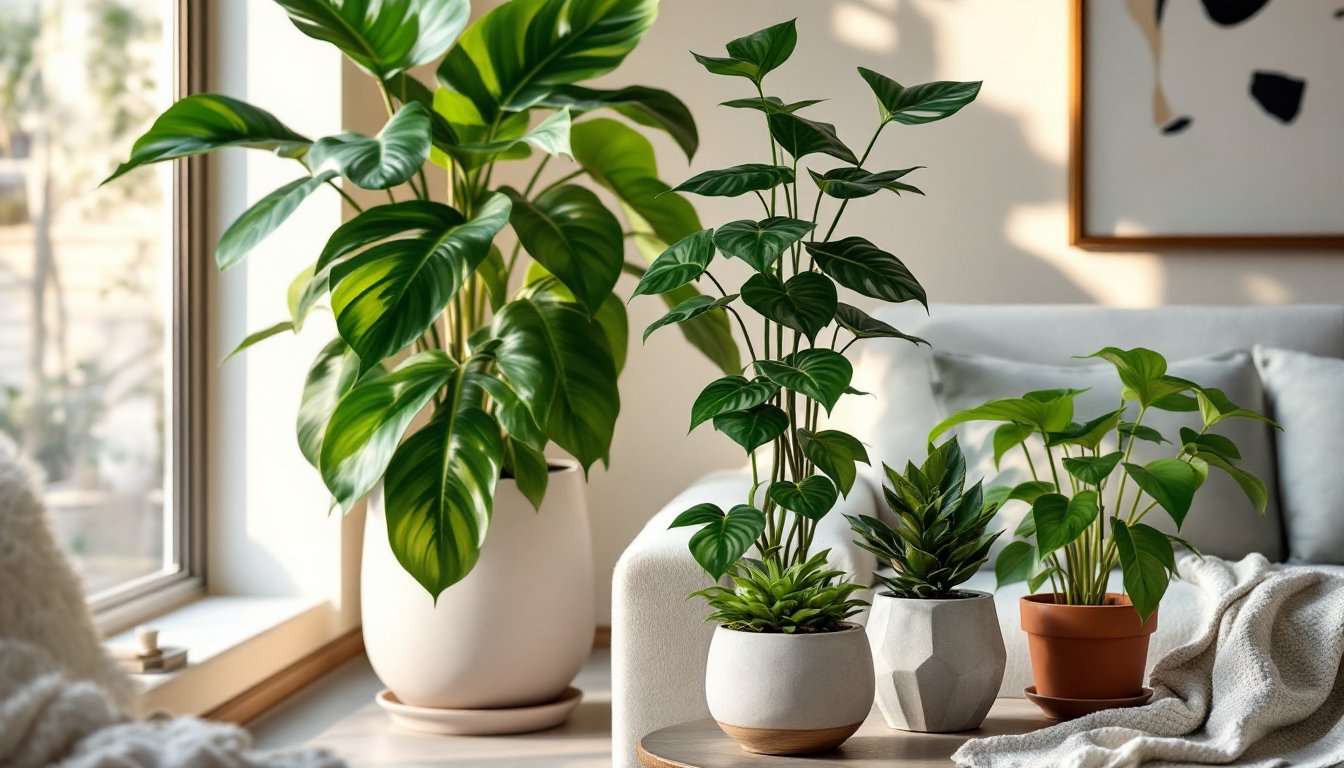
Grouping plants is key. Interior designers rarely use single plants in isolation, they layer by height, pot style, and plant variety. Place a tall faux tree in the corner, a medium plant on a side table, and a trailing vine on a shelf. This creates depth and makes the space feel lived-in rather than “decorated.”
Light matters psychologically, even if artificial plants don’t need it. Plants naturally gravitate toward windows and bright areas in real homes. Placing faux plants in dark corners can feel visually jarring because it contradicts what the brain expects. If you must place an artificial plant in dim lighting, pair it with subtle ambient lighting, a nearby lamp or string lights, to make the placement feel intentional.
Avoid placing faux and real plants directly next to each other unless the real plant genuinely needs the light. The contrast is obvious and undermines both. Instead, group faux plants in their own designated areas or use them exclusively in spaces where real plants won’t work (dark offices, kitchens above steamy stoves, etc.). Martha Stewart’s home styling guides often showcase how to blend decorative elements cohesively, the same principles apply here.
Maintenance Basics to Keep Your Faux Plants Looking Fresh
“Maintenance-free” doesn’t mean “no maintenance.” Artificial plants still collect dust, fade in direct sunlight, and need occasional refreshing to stay looking real.
Dust is the biggest enemy of faux plants. Dust settles on leaves and makes them look dull and obviously fake. Gently wipe silk or polyester leaves with a soft, dry microfiber cloth every two to four weeks. For delicate plants, use a soft-bristled brush. Avoid harsh chemicals, plain water on a cloth works fine for most synthetic materials. For plastic plants, a slightly damp cloth with a drop of mild dish soap works well.
Sunlight fades synthetic materials over time. If a faux plant sits in direct sun for months, the colors will noticeably lighten. Place artificial plants away from south-facing windows or direct rays. If repositioning isn’t possible, rotate the plant periodically so fading occurs evenly, or consider a UV-protective spray (available at craft stores) designed for artificial plants.
Check stems and connections annually. High-end silk plants sometimes loosen at joints or have leaves that become detached. Reattach loose leaves by gently wedging them back into stem slots or using a tiny amount of floral adhesive (not super glue). Inspect plastic pots for cracks or discoloration and refresh potting soil if it’s visibly compressed.
Refresh the look periodically by rotating plants between rooms, repotting into new containers, or adding decorative elements like dried branches or faux moss around the base. This keeps the space feeling fresh without the commitment that real plants demand.
Common Mistakes to Avoid When Using Artificial Plants
Even with the best intentions, missteps can make faux plants look tacky instead of tasteful.
Overloading a space is mistake number one. A single large faux tree can look sophisticated: six plastic plants crammed into one corner looks cluttered and obviously artificial. Stick to the rule of odd numbers, one plant, three plants, five plants, and space them with intentionality. Apartment Therapy frequently discusses spatial balance in smaller homes, and the same principle applies to plant placement.
Neglecting quality in the plant itself is another common pitfall. A $3 plastic plant that looks painfully synthetic will drag down even the best room. If budget is tight, fewer high-quality faux plants beat many cheap ones. One realistic viney house plant in a great planter looks better than five obviously plastic stems in sad pots.
Pairing faux plants with obviously real décor without intention creates visual confusion. If your shelving is filled with real books, real photos, and real decorative objects, a plastic plant sticks out. Either embrace the faux aesthetic fully in that area or skip it. The mixing works when done intentionally, like a styled bookshelf where faux and real elements coexist because they look intentional together.
Ignoring plant behavior is underestimated. Real most common house plants are often trailing, climbing, or spreading varieties. Placing a faux trailing vine in an area where a trailing plant would never naturally grow (like upright on a shelf with no support) looks wrong. Consider realistic growth patterns when deciding placement.
Using obviously plastic pots immediately signals “fake.” Even if the plant is high-end, a cheap plastic nursery pot undermines the whole effect. This is one area where investing even $10 to $20 in a better container pays huge dividends in how your faux plant reads in the space.