Table of Contents
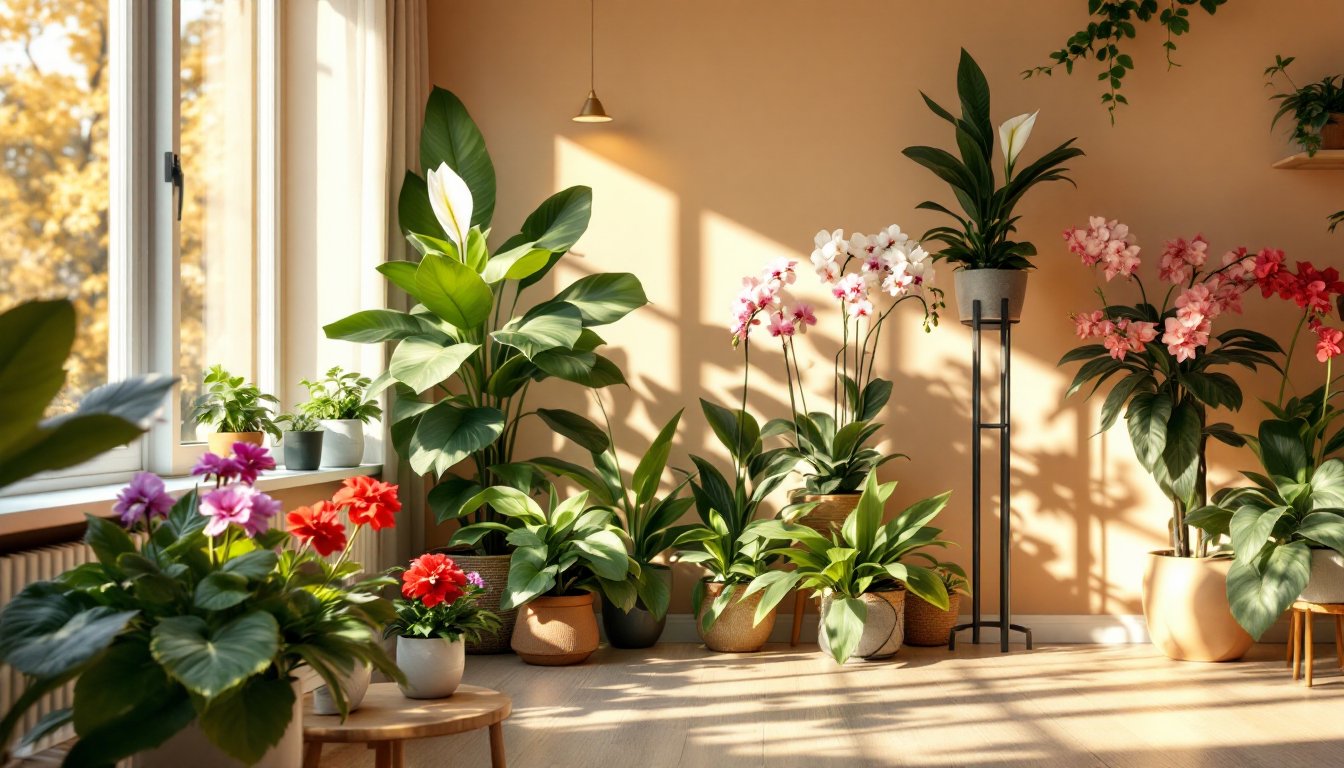
ToggleFlowering indoor plants do more than fill empty corners, they bring color, fragrance, and life to rooms that would otherwise feel plain. Whether you’re standing in a dimly lit bedroom or a sun-soaked living room, there’s a blooming plant that fits your space and lifestyle. This guide walks you through choosing the right flowering plants, understanding their care requirements, and troubleshooting common issues. You don’t need a green thumb or a sunny south-facing window to keep plants thriving and flowering year-round.
Key Takeaways
- Flowering indoor plants with flowers bring color, fragrance, and visual impact to any room while improving air quality by filtering toxins like benzene and formaldehyde.
- Low-light tolerant options like African violets, peace lilies, and begonias allow you to add blooms to offices, bathrooms, and dimly lit corners without requiring a sunny window.
- Watering mistakes are the leading cause of plant failure—check soil moisture 1–2 inches down rather than the surface, and adjust frequency based on your home’s temperature and humidity levels.
- Most flowering plants need 12–16 hours of daily light to bloom; a basic $20–50 LED grow light can transform a north-facing corner into a thriving garden.
- Beginner-friendly bloomers like impatiens, phalaenopsis orchids, and African violets flower reliably with consistent moisture, adequate light, and regular deadheading of spent flowers.
- Humidity management through grouping plants, pebble trays, or strategic bathroom placement is essential for tropical bloomers like gardenias and orchids to flourish indoors.
Why Choose Flowering Indoor Plants for Your Space
Flowering indoor plants offer visual impact that foliage-only plants simply can’t match. A blooming orchid on a shelf or a row of African violets on a windowsill creates an instant focal point, no expensive artwork required. Beyond aesthetics, many flowering plants improve air quality by filtering out toxins like benzene and formaldehyde as they photosynthesize.
Flowers also bring seasonal variety indoors, which is especially valuable during winter when outdoor gardens lie dormant. You can engineer blooms on your own schedule, from holiday poinsettias to spring-like crocuses in January. Some flowering plants, like jasmine or gardenias, perfume an entire room, a benefit you won’t get from a painting or decorative pillow.
For renters, or anyone hesitant to commit to outdoor landscaping, indoor flowering plants provide quick, reversible impact. A thriving plant collection also builds confidence and skill: many people who start with a single flowering plant end up with an indoor garden. The satisfaction of watching a plant progress from bud to full bloom is hard to match.
Best Low-Light Flowering Plants for Any Room
Not every room gets abundant sunlight, and that’s okay. Several flowering plants tolerate low-light conditions better than you’d expect.
African violets are the classic choice for office desks, bathrooms, and north-facing windowsills. They bloom prolifically under indirect light and prefer consistently moist (not waterlogged) soil. Their fuzzy leaves hate water droplets, so water from below using a wicking method or by setting the pot on a damp mat.
Begonias, particularly wax begonias, produce tiny flowers in red, pink, or white while tolerating partial shade. They’re more forgiving than African violets about watering inconsistency, a bonus if your schedule is unpredictable. Most begonias prefer humid environments, so misting or grouping them together works well.
Peace lilies flower indoors even in low light, producing elegant white spathes (the part people mistake for the flower). They’re also excellent communicators: drooping leaves signal “water me,” so they’re nearly foolproof for beginners. One caveat: they’re toxic to pets, so keep them out of reach if you have curious cats or dogs.
Spathiphyllum (another name for peace lilies) ranks among the most reliable low-light bloomers. Place one in a bathroom corner or shaded hallway, and it’ll flower without complaint. The combination of beautiful house plants like peace lilies means you can add color even when natural light is limited.
High-Maintenance vs. Easy-Care Blooming Plants
Flowering plants exist on a spectrum of neediness, and knowing where your prospective plant lands helps set realistic expectations.
High-maintenance bloomers demand precision. Orchids, gardenias, and camellias need specific temperature fluctuations, humidity levels, and watering routines. Orchids, for instance, often bloom once yearly and then rest for months, many people assume the plant is dead and discard it. These plants suit dedicated gardeners who enjoy the challenge and have time for weekly misting or careful monitoring.
Medium-difficulty plants like geraniums, bougainvillea, and begonias need consistent conditions but tolerate minor mistakes. They flower reliably if you keep soil moisture balanced and provide adequate light (usually 6+ hours daily). Most homeowners find this tier manageable with routine attention.
Easy-care bloomers are forgiving about watering schedules, light intensity, and humidity. They flower reliably even if you forget to water for a week or don’t provide perfect conditions. These plants reward busy people and are ideal for initial success.
Beginner-Friendly Options That Still Flower
African violets are genuinely beginner-friendly if you water from below and avoid getting water on leaves. They bloom continuously in indirect light and handle temperature fluctuations better than orchids.
Impatiens (sometimes called busy lizzies) produce abundant flowers in shade, genuinely in shade, not just “dappled light.” They prefer consistently moist soil and high humidity but reward attention with constant blooms. Cheap house plants like impatiens often cost under $10 and bloom prolifically.
Phalaenopsis orchids (moth orchids) are the orchids for people who say they “can’t grow orchids.” They tolerate lower humidity than other orchids and rebloom more readily. One key: they need a dormancy period (cooler temps around 60°F for 4–6 weeks) to trigger flowering, but this happens naturally in most homes during fall.
Marigolds and zinnias grown indoors on a sunny windowsill flower reliably from seed. They’re technically annuals, but starting seeds yourself cuts costs and gives you a sense of progression from sprout to bloom. The external resource Southern Living’s garden guides offers region-specific seed-starting timelines worth following.
Essential Care Tips for Indoor Flowering Plants
Most flowering plant failures trace back to watering mistakes, inadequate light, or low humidity, three things you can control.
Watering, Lighting, and Humidity Requirements
Watering is the most common stumbling block. The “water when soil surface feels dry” rule works for most plants, but some (like African violets) need consistently moist soil, while succulents in bloom need drier conditions between waterings. Use your finger to check soil moisture 1–2 inches down, surface dryness doesn’t mean the entire pot is dry.
Room temperature affects watering frequency too. Plants dry out faster in warm, low-humidity environments (like heated homes in winter) than in cool, humid ones. Never let water sit in the pot’s drainage hole for more than an hour: this invites root rot.
Light determines whether a plant flowers at all. Most flowering plants need 12–16 hours of light daily (a combination of natural and artificial is fine). If a plant drops buds before opening, insufficient light is often the culprit. A basic grow light (LEDs cost $20–50) placed 6–12 inches above plants can transform a north-facing corner into a blooming garden. Set the light on a timer for consistent exposure.
Humidity matters more for tropical bloomers like gardenias and orchids. Most homes run 30–50% humidity: many tropical plants prefer 60%+. Misting helps temporarily but isn’t a long-term solution, the water evaporates too quickly. Better options: group plants together (they humidify each other), place pots on trays filled with pebbles and water (the pot sits on pebbles, not in water), or run a small humidifier nearby. Bathrooms naturally offer higher humidity, making them ideal for finicky bloomers.
Fertilizer timing matters. Feed flowering plants every 2–4 weeks during their active growing and blooming season, then reduce or stop during dormancy (usually winter). Use a balanced fertilizer (like 10-10-10) or one higher in phosphorus (the middle number) to encourage blooming. Viney house plants and other climbing bloomers especially benefit from consistent feeding during growth.
Pruning and deadheading extend bloom time. Remove spent flowers regularly, the plant interprets this as “I haven’t made seeds yet” and produces more blooms. Pinch back leggy stems to encourage bushier growth and more flower buds. Most flowering plants benefit from a light trim after blooming ends, which redirects energy into new growth rather than maintaining old stems.
Conclusion
Blooming indoor plants aren’t luxury items reserved for plant experts, they’re achievable for anyone willing to match a plant’s basic needs with their home environment. Start with beginner plants like African violets or impatiens, master watering and light requirements, and build from there. The resource on Sunset Magazine provides additional regional guidance for plant care and seasonal timing. Flowering plants reward small efforts with big visual payoffs, transforming a plain room into a living, blooming corner of your home.