Table of Contents
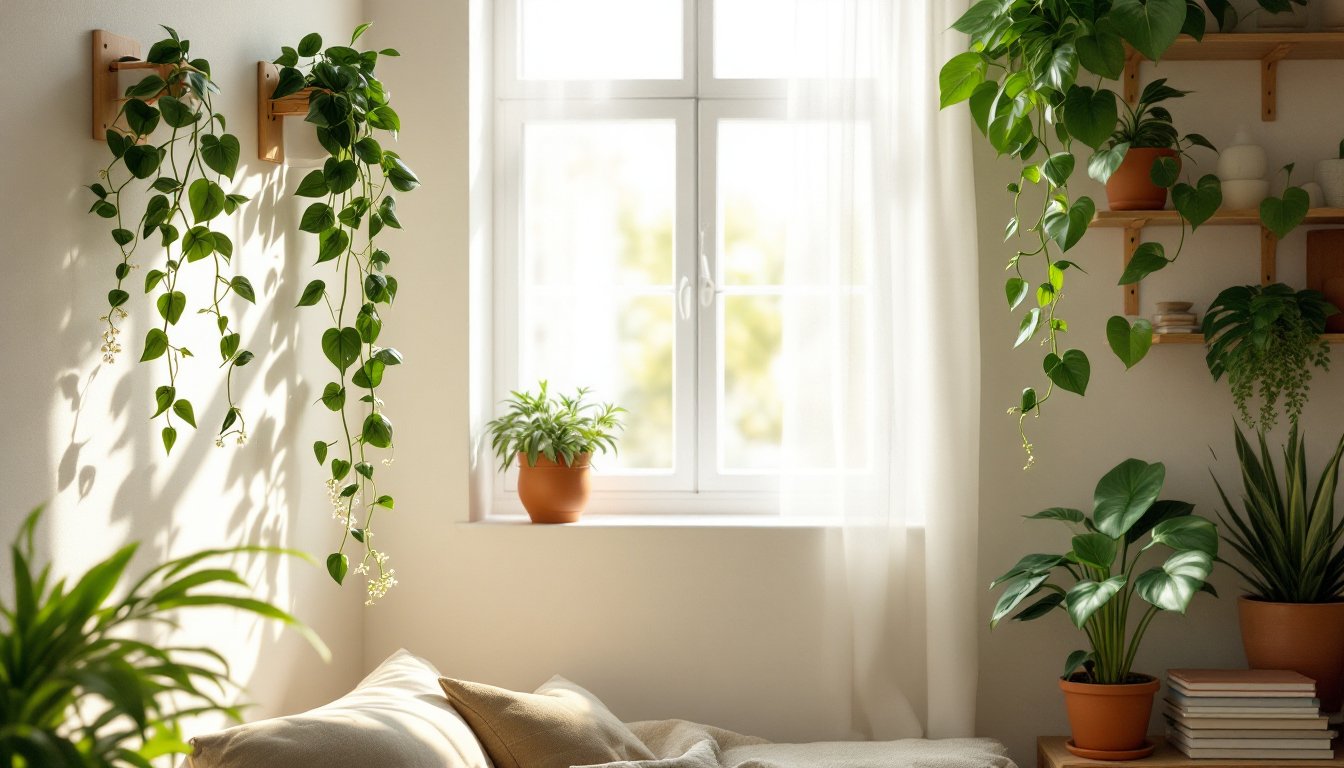
ToggleHanging vine plants have become a go-to solution for homeowners looking to add greenery without eating up precious floor space. Whether you’re decorating a bare corner, softening a bookshelf, or creating a living wall above a desk, trailing plants deliver both visual impact and practical benefits. They improve air quality, soften harsh lines in a room, and, here’s the kicker, most varieties are forgiving enough for beginners. The key is picking the right vines for your light conditions and learning what each type actually needs to thrive, not just survive.
Key Takeaways
- Hanging vine plants maximize vertical space and improve air quality while requiring less floor space than traditional decor, making them ideal for any room layout.
- Pothos and philodendron are the most beginner-friendly hanging vine plants due to their tolerance of low light and irregular watering, though string of pearls offers more visual variety with stricter care requirements.
- Proper lighting is essential—tolerant varieties like pothos thrive in medium indirect light, while succulents need at least 4 hours of filtered sunlight daily to maintain their compact appearance.
- Watering strategy depends on plant type: pothos and philodendron prefer soil that’s dry at the top inch, while trailing succulents need complete soil dryness between waterings to prevent root rot.
- Secure your hanging setup with proper hardware (at least 10-pound rated brackets), choose the right pot material for your plant type, and arrange multiple vines at staggered heights for a fuller, more professional display.
- Acclimate new plants to your home environment over 2-3 weeks before expecting optimal growth, and always water where splash won’t damage walls or furniture.
Why Choose Hanging Vine Plants for Indoor Décor
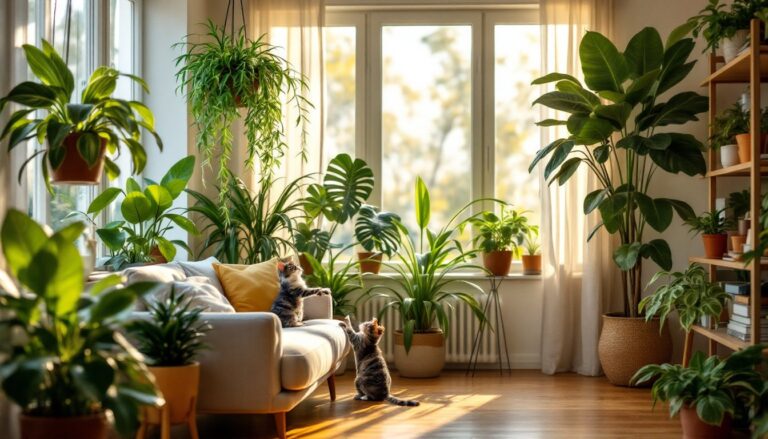
Hanging vine plants solve a common decorating problem: they add life to vertical surfaces without requiring floor space. Unlike furniture or bulky decor, vines can occupy wasted wall real estate and transform plain corners into focal points.
From a practical standpoint, vines are workhorses. They tolerate varying light levels better than many houseplants, don’t demand fussy humidity routines, and bounce back quickly if you miss a watering. Most also grow fast, sometimes faster than you’d expect, so you get that instant gratification without waiting months for results.
When it comes to air quality, trailing plants pull their weight too. They filter out common indoor pollutants like formaldehyde and benzene, especially when you have multiple vines scattered around a room. And let’s not forget the mental health boost: research consistently shows that living plants in your workspace reduce stress and boost focus. For the DIY crowd, hanging vines also offer a low-commitment entry point into plant care, perfect if you’re unsure whether you have a “green thumb.”
Popular Indoor Hanging Vine Varieties to Consider
Pothos and Philodendron: The Easiest Options
Pothos (also called devil’s ivy) and philodendron are the bread and butter of indoor vining plants. They’re nearly identical in appearance, heart-shaped leaves, long trailing stems, and equally bulletproof. Both tolerate low light, irregular watering, and neglect better than almost any houseplant on the market.
The real difference shows up in growth rate and leaf texture. Pothos grows slightly faster and has a waxy leaf surface that gleams under indirect light. Philodendron grows at a steadier pace and feels softer to the touch. Either one will easily trail 3 to 4 feet from a hanging basket within a year if given room-temperature conditions and moderate water.
Why are these so popular? They’re cheap, widely available, and forgiving. A pothos or philodendron in a most common house plants list almost never fails. Even if you underwater them or let them sit in dim light, they keep growing. The downside: they lack visual variety. If you want more texture or drama in your hanging setup, you’ll need to mix them with other types.
String of Pearls and Trailing Succulents
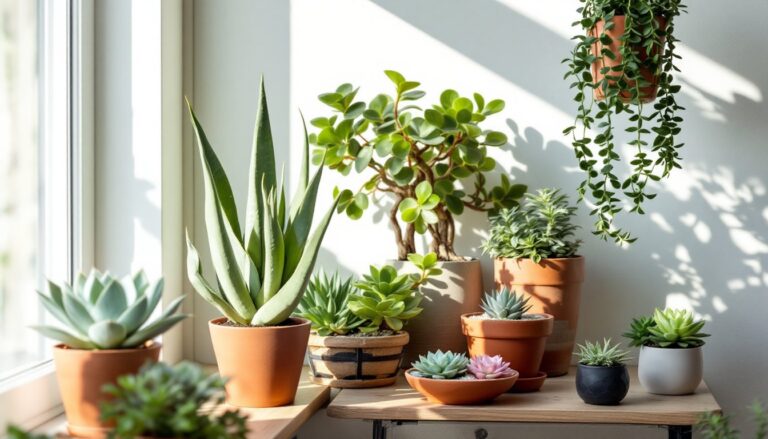
String of pearls looks like what its name suggests, delicate stems dotted with tiny, bead-like leaves. It’s a succulent, which means it stores water in its foliage and prefers drying out between waterings. This is the opposite of pothos, so you need a different watering strategy.
String of pearls demands bright, indirect light, ideally a few feet from a south or west-facing window. In low light, it gets leggy (long stems with gaps between leaves) and loses that compact, pearl-like appearance. Water deeply but infrequently: every 2 to 3 weeks in growing season, less in winter.
Other trailing succulents like string of hearts (dischidia) and burro’s tail (sedum burrortianum) follow similar rules. They’re thinner and more delicate-looking than pothos, which makes them perfect if you want something visually distinct. The trade-off is they’re pickier about light and watering, one overwatering session can rot the stems. For a setup that combines durability with aesthetic variety, viney house plants can give you a full range of options beyond just the standard varieties.
Essential Care Requirements for Healthy Growth
Lighting, Watering, and Humidity Tips
Light is the foundation of healthy vines. Pothos and philodendron tolerate low light (north-facing windows, offices away from direct sun), but they grow faster and develop deeper green color in medium, indirect light. String of pearls and other succulents need brighter conditions, a window that gets at least 4 hours of filtered sunlight daily.
Watering depends on plant type, pot size, and season. For pothos and philodendron, water when the top inch of soil feels dry to the touch. In summer, that might be every 5 to 7 days: in winter, every 10 to 14 days. For string of pearls and trailing succulents, let the soil dry out completely between waterings. Stick your finger down 2 inches: if it’s still moist, wait another few days. Overwatering is the #1 killer of succulents.
Humidity is less critical than light and water. Pothos and philodendron prefer moderate humidity (40-60%), but they’ll handle dry office air. If leaves start looking dull or dusty, mist them lightly with a spray bottle once a week or give them a gentle rinse in the shower. Trailing succulents are the opposite, they prefer drier air and don’t benefit from misting. In fact, misting can trap moisture on the leaves and invite fungal issues.
One often-missed detail: acclimate new plants to your home. If a vine arrives in a humid nursery greenhouse and you put it directly into a dry living room, it’ll drop leaves or look stressed for a few weeks. Set it in a stable location with consistent (not intense) light, water lightly, and give it time to adjust. Most vines bounce back within 2 to 3 weeks. For a broader understanding of how different beautiful house plants handle various indoor conditions, research and observation help you dial in the right spot for each variety.
Creating the Perfect Hanging Display Setup
The hardware matters. A hanging bracket rated for at least 10 pounds will handle a 6-8 inch hanging planter plus soil and water without sagging. Screw directly into a wall stud or use toggle bolts if you’re anchoring into drywall alone. Never trust adhesive hooks for anything heavier than a few ounces: vines and moist soil add weight fast.
Choose your pot wisely. Terracotta breathes, water evaporates through the sides, which keeps roots from staying soggy and is ideal for succulents. Plastic pots retain moisture longer, better for pothos and philodendron, especially in dry climates or offices. Make sure the pot has drainage holes: a waterlogged vine dies quickly. If you like the look of a decorative pot without drainage, use it as a cachepot (outer pot) and nest a draining nursery pot inside.
Arrangement and grouping matter too. A single pothos vine looks thin at first: grouping 2 or 3 smaller pots of different heights and varieties fills space faster. Stagger them at different levels so they don’t look like a grid. Pair fast-growing pothos with slower-growing string of pearls to create visual contrast. Many design-focused homeowners find inspiration from comprehensive home decor guides that showcase how professional designers layer plants for maximum impact.
Watering logistics: hang your vines where water splash won’t damage walls or floors. A bathroom or kitchen window works well, the humidity bonus is real, and tile floors are forgiving. If you’re hanging vines in a living room, use a plant tray under the pot to catch drips. Before watering, check soil moisture at the roots, not just the surface. The top inch may look dry while the center is still wet. Water until liquid drains from the bottom, then let the excess drain fully. Never leave a pot sitting in a saucer of water: that’s a one-way ticket to root rot.