Table of Contents
ToggleIndoor plants do more than fill empty corners or look good on a shelf, they’re functional additions to your home that actively improve your living environment. Whether you’re managing air quality, reducing stress, or just looking to bring more greenery indoors, the right indoor plants for health can make a real difference. This guide covers the best options for every living situation, from the forgetful plant parent to the wellness-focused homeowner eager to optimize their indoor environment.
Key Takeaways
- The best indoor plants for health filter air pollutants like formaldehyde and benzene while producing oxygen, creating a measurably improved living environment.
- Low-maintenance plants such as snake plants, pothos, ZZ plants, and spider plants deliver air-purifying benefits even for beginners and busy homeowners who can’t commit to frequent watering.
- Beyond air quality, indoor plants reduce stress and lower cortisol levels through both their calming visual presence and the act of tending to them daily.
- Peace lilies and spider plants are among the most efficient air purifiers, removing formaldehyde, ammonia, benzene, and other common indoor toxins from furniture, paint, and cleaning products.
- Fragrant plants like lavender and jasmine directly support mental wellness by promoting better sleep and reducing anxiety through their natural scent.
- Proper placement based on actual light conditions and avoiding overwatering (the leading cause of houseplant failure) are essential for success with indoor plants.
Why Indoor Plants Matter for Your Health and Home
The science behind indoor plants and health is solid. Plants absorb carbon dioxide and release oxygen during photosynthesis, which improves air circulation in enclosed spaces. Beyond oxygen production, specific plants filter out common indoor pollutants like formaldehyde, benzene, and xylene, compounds found in furniture, paint, and cleaning products.
The psychological benefits are equally real. Studies show that greenery reduces stress, lowers blood pressure, and improves focus and productivity. Simply having plants in your workspace or bedroom creates a calming effect. When you’re surrounded by living things, your mind naturally shifts toward a more relaxed state. This is why so many people find themselves drawn to indoor gardening, it’s not just aesthetics: it’s wellness.
You don’t need a jungle to see results. Even a few well-chosen plants in key areas of your home, bedroom, living room, or office, can measurably improve your air quality and mental state. The trick is picking plants that match your lifestyle and commitment level.
Top Air-Purifying Plants That Boost Indoor Air Quality
Snake Plants and Pothos for Low-Maintenance Clean Air
Snake plants (Sansevieria trifasciata) are nearly impossible to kill, which makes them perfect for beginners. They thrive in low light, tolerate irregular watering, and actively filter formaldehyde and benzene from the air. Their tall, architectural form adds visual interest without taking up much floor space. Place one in a corner bedroom or office and forget about it for weeks, they genuinely prefer that treatment.
Pothos (Epipremnum aureum), also called devil’s ivy, is equally forgiving. This trailing vine does well in indirect light and actually improves as it matures. Pothos removes formaldehyde, benzene, and xylene efficiently. You can hang it on a shelf, train it up a moss pole, or let it cascade from a bookcase. Water when the soil feels dry to the touch, and it’ll reward you with lush growth.
Both plants are widely available and inexpensive, making them ideal starter plants. They’re also safe around pets if ingestion happens (though they’re not edible, just non-toxic).
Peace Lilies and Spider Plants for Maximum Health Benefits
Peace lilies (Spathiphyllum wallisii) are among the most efficient air purifiers you can bring home. They filter formaldehyde, ammonia, benzene, and trichloroethylene, a broader range than most houseplants. The white, elegant blooms are a bonus. Peace lilies prefer moderate indirect light and consistently moist (not waterlogged) soil. They’ll actually wilt when thirsty, which is their way of telling you they need water, a handy signal for plant parents.
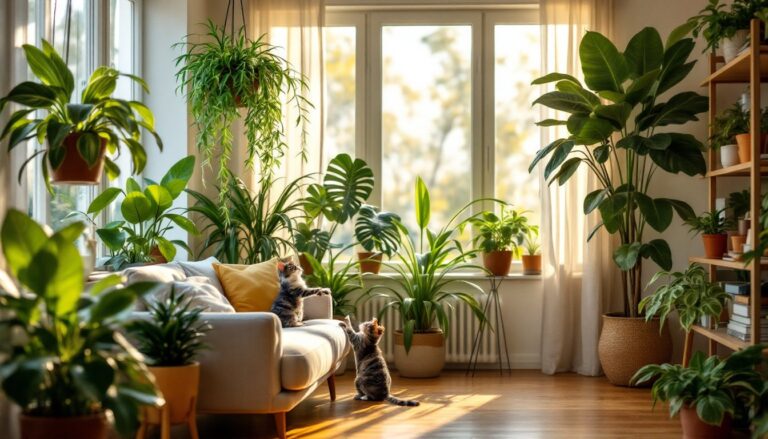
Spider plants (Chlorophytum comosum) produce dangling babies (plantlets) that make propagation dead simple. They’re prolific air purifiers, especially effective against formaldehyde. Spider plants tolerate a range of light conditions and forgive occasional neglect. They’re also completely safe around cats and dogs, so households with pets benefit from keeping several around. The cascading foliage softens shelves and hanging planters beautifully. For a most common approach to indoor gardening, spider plants consistently rank high.
Stress-Reducing Plants That Improve Mental Wellness
Beyond air purification, certain plants directly support mental wellness. Lavender (Lavandula angustifolia) releases a natural fragrance that calms anxiety and promotes better sleep. While lavender needs bright, indirect light and well-draining soil, the payoff is worth it, a small potted lavender plant on your nightstand becomes a sleep aid you can actually see and touch.
Jasmine (Jasminum polyanthum) offers similar calming properties with delicate, fragrant flowers. It prefers cooler temperatures and bright indirect light, making it ideal for a north-facing window. The scent alone, especially in evening hours, can measurably reduce stress and improve mood.
Aloe vera bridges wellness and practicality. Beyond being an air purifier, the gel inside its leaves soothes burns and skin irritation. It requires minimal water (it’s a succulent) and bright light. Aloe thrives on neglect, making it perfect for busy people who want wellness without complexity. Keeping one in the kitchen near your cooking area provides both aesthetic and functional value.
Research consistently shows that interacting with plants, watering, pruning, propagating, lowers cortisol (stress hormone) levels. The act of tending to something living, even for five minutes daily, shifts your nervous system into a more relaxed state. This is why beautiful house plants often become meaningful parts of people’s routines rather than just décor.
Easy-Care Plants for Beginners and Busy Homeowners
Not everyone has time for fussy plant care. The good news: hardiness and health benefits aren’t mutually exclusive.
ZZ plants (Zamioculcas zamiifolia) handle low light, irregular watering, and neglect with grace. They grow slowly, which means less frequent repotting and maintenance. ZZ plants remove xylene from the air and their glossy foliage looks polished in any room. Water every two to three weeks and you’re set.
Rubber plants (Ficus elastica) tolerate low to medium light and prefer to dry out between waterings. Their large, dark green leaves make a visual statement while actively filtering formaldehyde. They grow relatively slowly compared to other figs, so you won’t need to prune aggressively.
Cast iron plants (Aspidistra elatior) live up to their name. They genuinely withstand neglect, poor light, and irregular watering. While not the most glamorous, they’re reliable workhorses for offices, hallways, and basements where other plants struggle. Common succulent house plants offer similar resilience if you prefer something with more visual variety.
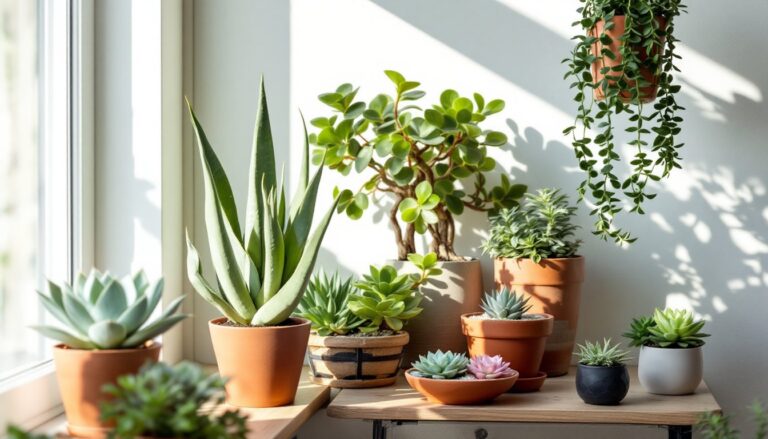
Succulents in general, echeveria, jade plants, and sempervivum, require minimal water and thrive in bright light. They’re slow-growing, long-lasting, and beautiful in low-maintenance arrangements. Many also remove toxins efficiently. Stack several in a shallow tray with quality potting soil and they’ll reward you for years with almost zero intervention.
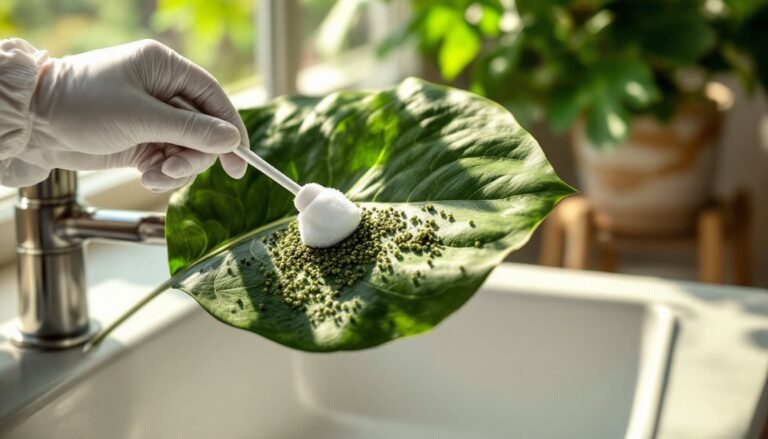
For those managing gnats or other pest issues, knowing how to get rid of gnats from house plants keeps your collection healthy and thriving.
Placement tips: Choose plants based on the light your space actually receives, not what you wish you had. Low-light rooms need ZZ plants and cast iron plants. Bright, indirect light suits spider plants and peace lilies. South-facing windows with direct sun work for succulents and aloe. Mismatched light and plant selection causes more failures than neglect.
Watering reality: Most houseplant deaths come from overwatering, not underwatering. Check soil moisture before watering, stick your finger an inch deep. If it feels moist, wait. Most plants prefer drying out slightly between waterings. Use a pot with drainage holes and never let plants sit in standing water.
Conclusion
Choosing the best indoor plants for health means matching your lifestyle with plant needs while prioritizing specific benefits, air purification, stress reduction, or ease of care. Start small with one or two hardy plants, get comfortable with watering and light requirements, then expand as your confidence grows. Whether you’re seeking to improve air quality, reduce stress, or simply add life to your space, there’s an indoor plant suited to your situation. The wellness benefits are real, the visual improvement is immediate, and the learning curve is gentler than you’d expect.