Table of Contents
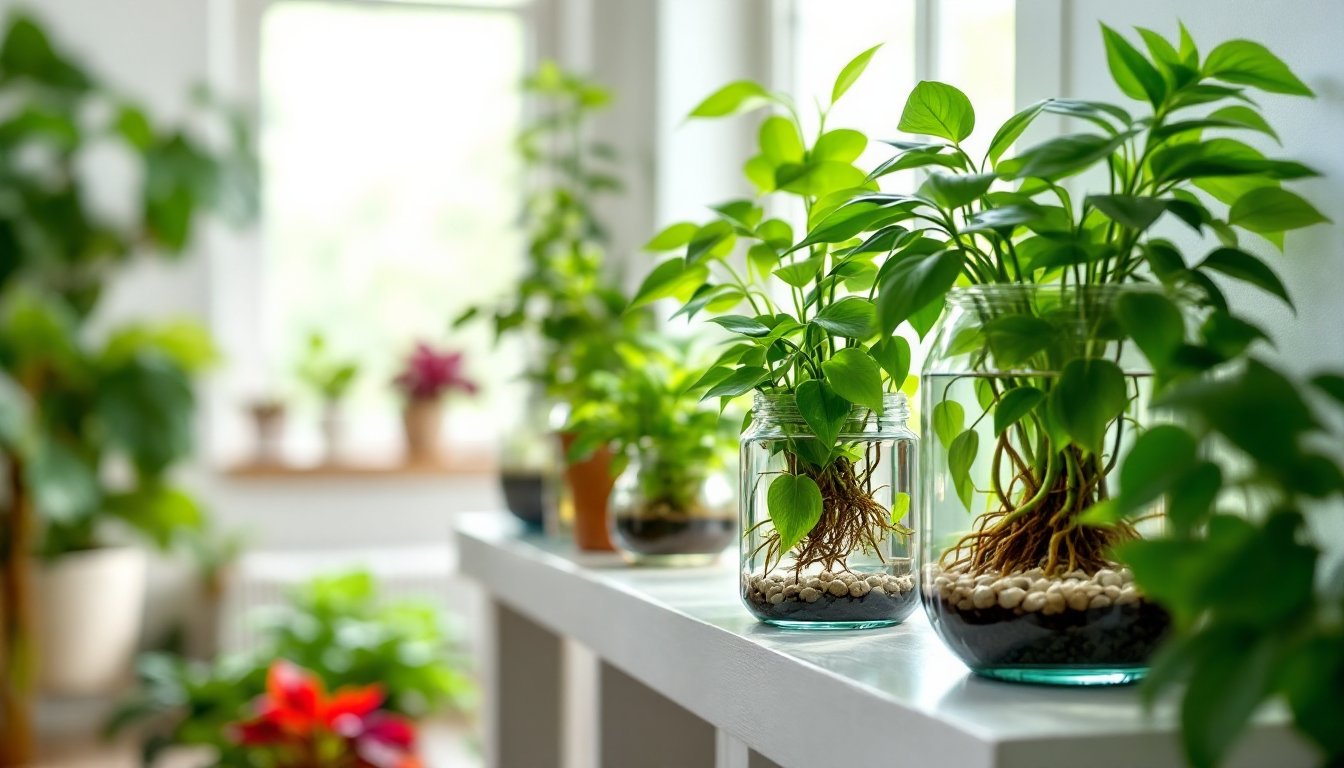
ToggleIndoor water plants offer a refreshing alternative to traditional potted houseplants, they’re cleaner, easier to maintain, and they add a calming aquatic element to any room. Unlike soil-based plants, water plants thrive in simple containers filled with water, eliminating mess and reducing the risk of overwatering, one of the most common reasons houseplants fail. Whether you’re looking to green up a sunny windowsill, add living decor to a bookshelf, or create a tabletop water garden, indoor water plants deliver both aesthetic appeal and practical benefits. They’re perfect for busy homeowners, renters, and anyone who wants to cultivate a greener living space without the complexity.
Key Takeaways
- Indoor water plants eliminate the guesswork of traditional houseplant care by removing the need for soil drainage, compacted potting medium, and moisture balancing—simply keep water topped up and change it periodically.
- Beginner-friendly indoor water plants like pothos, philodendron, and lucky bamboo root quickly in water, tolerate low light, and grow predictably, making them nearly impossible to kill for new gardeners.
- Consistent water changes every 1–2 weeks prevent algae blooms and bacterial issues, while indirect bright light and room temperature (65–75°F) create optimal growing conditions for most water plants.
- Choose transparent glass containers to showcase living roots and plant development, creating a modern spa-like aesthetic that adds visual interest and proves life thrives with minimal intervention.
- Water plants require diluted liquid fertilizer every 3–4 weeks during spring and summer since pure water contains no nutrients, but slow-growing plants in low light may need little to no fertilizer.
- Indoor water plants offer a low-maintenance alternative to soil gardening, working beautifully in offices, kitchens, and bedrooms while tolerating low-light conditions better than traditional potted houseplants.
Why Choose Water Plants for Indoor Spaces
Water plants eliminate the guesswork that comes with traditional houseplant care. There’s no need to worry about soil drainage, compacted potting medium, or finding the right moisture balance, you simply keep the water topped up and change it periodically. This makes them ideal for offices, kitchens, and bedrooms where traditional potted plants might create water damage or mess.
They also work beautifully in spaces with limited natural light, since many water plants tolerate low-light conditions better than flowering houseplants. Plus, water plants tend to grow more slowly and predictably than soil plants, so they won’t outgrow your container as quickly. From a design standpoint, seeing living roots through glass containers adds visual interest and a modern, spa-like quality to a room. Most importantly, watching roots develop and plants flourish in water is genuinely satisfying, it’s proof that life thrives with minimal intervention.
Top Indoor Water Plants for Beginners
Pothos is the gold standard for water gardening. This vining plant roots quickly in water, tolerates low light, and grows steadily without fussing. Simply place cuttings in water, and roots appear within a week or two. It’s nearly impossible to kill, making it the perfect starter water plant.
Philodendron works the same way as pothos, fast-rooting, forgiving, and adaptable. The main difference is leaf shape: heart-leaf philodendrons are slightly more delicate-looking than pothos, but equally hardy. Both of these options fit naturally into house plants that transform interiors.
Lucky Bamboo (Dracaena sanderiana) is visually distinct and grows upright in water with minimal fuss. It’s actually not true bamboo, but the name sticks because of its appearance. It tolerates low light and grows slowly, making it ideal for desks or shelves.
Coleus brings vibrant foliage in reds, purples, and greens. While it prefers bright indirect light, it roots beautifully in water and adds color that vining plants can’t match. Cuttings from garden coleus transition to water easily.
Spider Plant offspring (the little runners with baby rosettes) root in water almost instantly. If you already have a spider plant, propagation is free and fast. They prefer bright light but tolerate lower conditions.
Begonias offer delicate foliage and sometimes flowers in water. Wax begonias and rex begonias both work, though they prefer warmer temperatures (65–75°F) and consistent humidity. Compared to beautiful house plants grown in soil, water-grown begonias are less prone to root rot.
Setting Up the Perfect Water Garden
Start with a clean glass or translucent container, clear glass shows off roots, but frosted or colored glass works too. Avoid opaque containers unless aesthetics don’t matter: seeing root development is half the appeal. The container should be large enough to support the plant’s root system but not so large that water stagnates.
Use filtered or distilled water when possible. Tap water works, but if your tap water is heavily chlorinated or high in minerals, let it sit uncovered for 24 hours before use, or use bottled water. Chlorine typically evaporates overnight, and allowing minerals to settle can reduce buildup on containers and roots.
For rooting cuttings, use water that’s at room temperature (65–72°F). Change it every few days until roots develop (usually 1–3 weeks), then transition to a weekly water change schedule. Once roots are established, you can space changes further apart, every 10–14 days is standard for mature plants.
Consider adding aquarium stones or glass beads to the bottom. They stabilize the plant stems, provide visual interest, and can harbor beneficial bacteria (though this is optional). Some growers add a tiny amount of liquid fertilizer designed for water plants or hydroponic systems, since water doesn’t provide nutrients like soil does. Start with half the recommended dose: you can always add more, but excess fertilizer creates algae.
Placement matters. Position containers away from heating vents, cold drafts, and direct air conditioning. Indirect bright light works for most water plants: a north-facing windowsill or a few feet from an east- or west-facing window is ideal. If natural light is scarce, a small LED grow light on a timer works well.
Essential Care and Maintenance Tips
Lighting and Water Quality Requirements
Light is the primary factor in healthy growth. Most beginner water plants tolerate medium to low indirect light, but they’ll grow faster and fuller in bright indirect conditions. If your plant’s new leaves are smaller or stems are stretching (reaching toward light), it’s telling you it needs more brightness.
Water changes keep your system fresh and prevent algae blooms. Change the water completely every 1–2 weeks for best results. If you notice green or brown algae coating the container, a weekly change is worth the effort. During water changes, gently rinse the roots if they look slimy or smell off, this prevents bacterial issues before they start.
Temperature stability matters more than you’d think. Most tropical water plants prefer 65–75°F. Avoid placing containers in direct sun (which heats water and encourages algae) or near cold windows in winter. Room temperature is usually fine.
Fertilizer needs depend on your plant and setup. Pure water contains no nutrients, so slow-growing plants in low light might not need fertilizer, while fast-growing plants in bright light benefit from diluted liquid fertilizer every 3–4 weeks during the growing season (spring and summer). In fall and winter, skip fertilizer or reduce frequency by half. Cheap house plants benefit from occasional nutrient boosts to stay vigorous without breaking your budget.
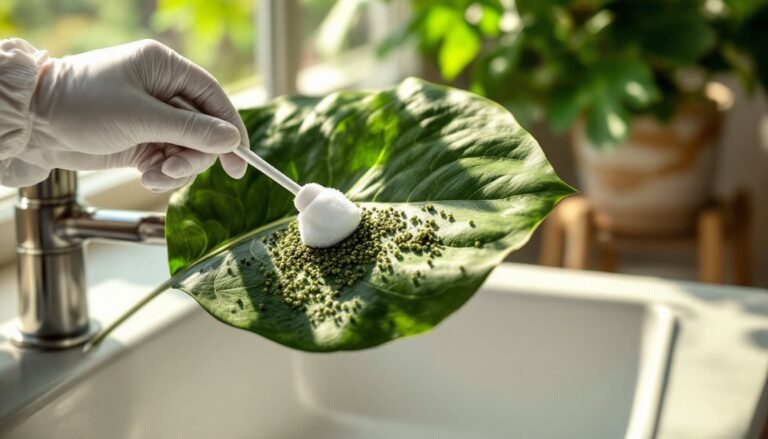
Watch for common issues. Brown or yellowing leaves usually signal either too much light (sunburn) or poor water quality (change the water). Slow growth often means insufficient light. Slimy roots or a musty smell point to water quality issues, change the water immediately and check that the container isn’t in a warm, stagnant spot. Unlike soil plants, water plants rarely suffer from pests, though spider mites can appear in very dry indoor air (increase humidity by misting or grouping plants together).
Creative Container and Display Ideas
The container is part of your decor, so choose one that fits your style. Tall glass vases showcase root systems beautifully and work well for single specimen plants or small arrangements. Low bowls create floating gardens where multiple cuttings drift together, they’re casual and modern. Test tubes or bud vases in a wooden rack or standing holder create a laboratory-meets-botanical aesthetic that’s popular in minimalist spaces.
Recycled bottles and jars work perfectly if you embrace the industrial or vintage look. Mason jars, wine bottles, and clear plastic containers all function fine: the key is cleanliness and frequent water changes. Opaque containers hide roots but reduce algae growth, making them practical for neglectful waterers.
Propagation stations are trendy and functional: arrange multiple narrow containers or tubes in a tray or on a shelf, each holding one or two cuttings. As roots develop, you can either keep them in water permanently or pot them into soil if you change your mind. This setup works in kitchens, bathrooms, or shelving units where light is moderate.
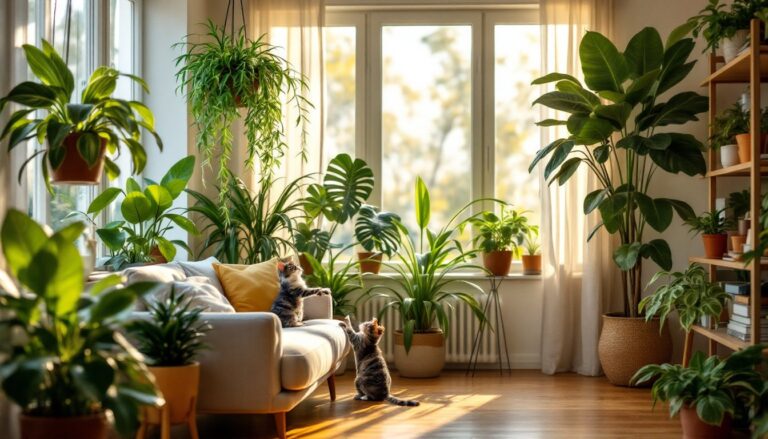
Combination displays pair water plants with other elements. Float a single pothos cutting in a bowl of water with floating candles for a spa vibe. Combine water plants with moss, river rocks, or air plants in a clear cube or rectangular container for a miniature landscape. Layer different-colored glass beads or stones between rooted plants for visual depth. Group large indoor house plants in soil with smaller water plant cuttings nearby to create a cohesive green corner.
For inspiration on styling and arrangement, resources like Better Homes & Gardens and Gardenista offer seasonal decor ideas that translate well to water plant displays. The best setup is one you’ll actually maintain, choose containers you enjoy looking at, place them where you’ll remember to change the water, and enjoy the results.
Conclusion
Indoor water plants offer a low-maintenance, visually appealing way to bring greenery into your home without the complexity of soil gardening. Whether you start with a single pothos cutting in a mason jar or build an entire propagation station, these plants respond quickly and grow reliably with minimal care. The key is consistent water changes, appropriate light, and patience, roots and new growth will follow. Start simple, observe what works in your space, and adjust as needed. Your home will thank you.