Table of Contents
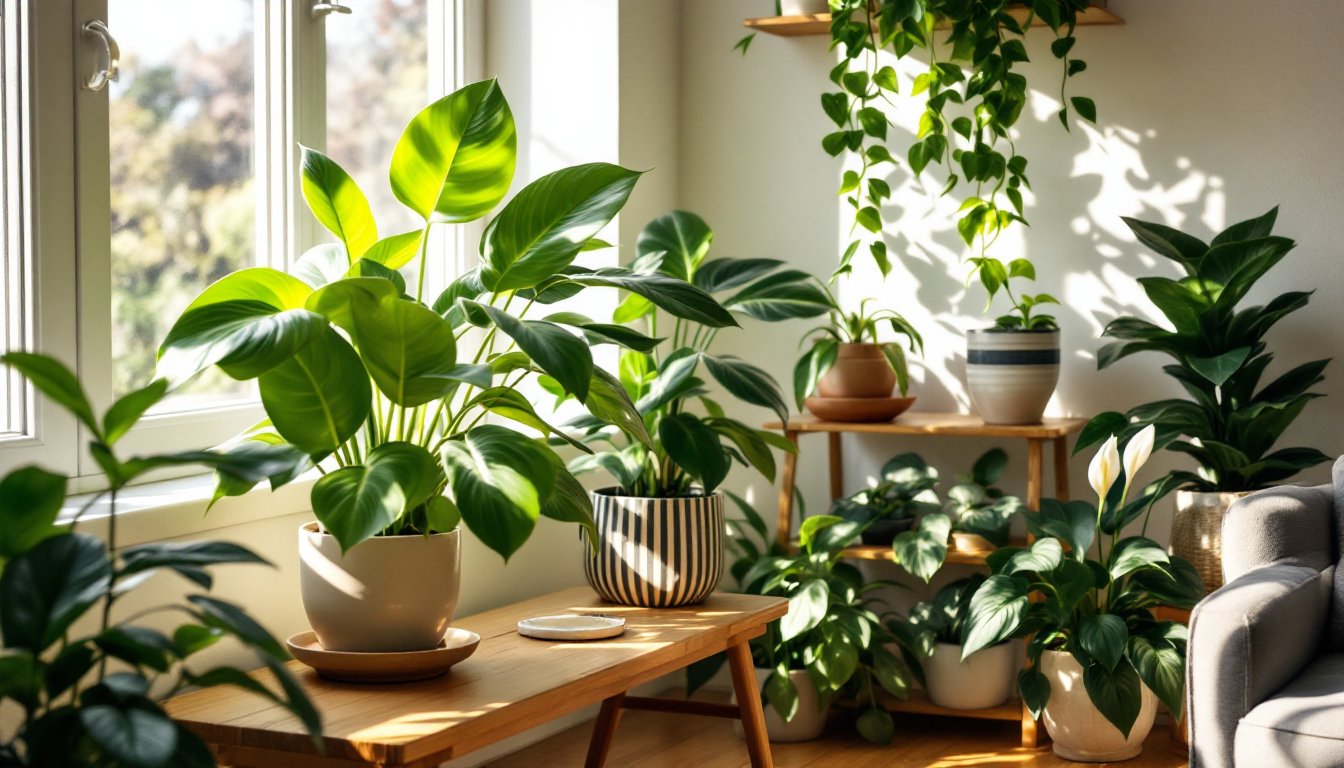
ToggleFilling your home with greenery doesn’t mean becoming a plant scientist or dedicating hours to fussy care routines. Low-maintenance plants are the real game-changer for busy homeowners who want the benefits of indoor greenery without the stress. Whether you work long hours, travel frequently, or just don’t have a green thumb, the right plants can thrive on basic attention and minimal watering. This guide walks you through the easiest low-maintenance plants to grow, simple care strategies that actually work, and the common pitfalls to sidestep. By the end, you’ll know exactly which plants fit your space and lifestyle.
Key Takeaways
- Low-maintenance plants like snake plants, pothos, and ZZ plants thrive with minimal care, tolerating irregular watering, low light, and neglect—perfect for busy homeowners.
- Overwatering is the leading cause of plant death; always check soil moisture 1–2 inches down before watering, and ensure pots have drainage holes to prevent root rot.
- Low-maintenance indoor plants improve air quality, boost mood, and add visual interest while building confidence in beginners who start with forgiving, hardy species.
- Provide stable light conditions (avoid moving plants weekly), rotate plants every 4–6 weeks for balanced growth, and occasionally wipe larger leaves to enhance photosynthesis.
- Most low-maintenance plants require watering every 2–3 weeks during growing season and even less frequently in winter; adjust frequency based on actual soil dryness, not a fixed schedule.
Why Low-Maintenance Plants Are Perfect for Busy Homeowners
Plants improve air quality, boost mood, and add life to any room, but not every homeowner has time for daily misting and water schedules. Low-maintenance plants solve this problem. They tolerate irregular watering, adapt to various light conditions, and still deliver visual impact with minimal fuss.
The real appeal is flexibility. If you forget to water for a week, a ZZ plant won’t punish you. If your living room gets only indirect light, a pothos will still grow steadily. These plants handle the imperfect conditions real homes present, drafts, inconsistent humidity, occasional neglect.
Beyond the ease factor, hardy plants build confidence. Beginners who start with beautiful house plants that are forgiving succeed, gain momentum, and feel motivated to add more greenery. That success is worth its weight in gold if you’ve ever killed a fussy fern.
Top Low-Maintenance Indoor Plants for Any Space
Snake Plants and Pothos: The Easiest Growers
Snake plants (Sansevieria) are practically indestructible. They tolerate low light, drought, and neglect with remarkable poise. Their upright, architectural leaves add visual interest, and they actively cleanse indoor air by filtering formaldehyde and xylene. Water every 2–3 weeks during growing season: in winter, once a month is plenty. Overwatering is the only real risk, use a pot with drainage and let soil dry completely between waterings.
Pothos (also called devil’s ivy) is equally bulletproof and slightly more versatile. It thrives in low to medium light, grows along shelves or trellises, and actually benefits from occasional pruning to stay full and compact. Pothos tolerates irregular watering and adapts to most indoor humidity levels. Both plants are so forgiving they’re standard choices for offices and dorm rooms.
Rubber Plants, ZZ Plants, and Peace Lilies
Rubber plants deliver bold, glossy foliage that reads as an instant design upgrade. They prefer bright, indirect light and moderate watering, allow the top inch of soil to dry between waterings. Their larger leaves collect dust, but a quick wipe with a damp cloth keeps them looking sharp and supports photosynthesis.
ZZ plants are slow-growing champions that thrive in low light and handle dry air. Water deeply but infrequently, every 2–3 weeks depending on season. They’re ideal for corners or offices where other plants would struggle. Their waxy, feathery foliage adds texture without demanding attention.
Peace lilies are unique because they signal thirst by drooping gracefully, then perk up within hours of watering. This built-in feedback loop makes them forgiving for beginners. They tolerate low light and actually prefer humidity, making them excellent for bathrooms. Pair them with other cheap house plants to create an affordable indoor forest in any room.
Essential Care Tips to Keep Your Plants Thriving
Successful plant care starts with the right pot and soil. Use containers with drainage holes, non-negotiable. Drainage prevents waterlogging, the number-one killer of low-maintenance plants. Standard potting soil works fine: no need for specialty blends. When repotting, size up only one pot diameter (a plant in a 4-inch pot moves to a 6-inch pot, not a 10-inch).
Watering needs depend on season and light. During active growing season (spring and summer), water more frequently. In dormant months (fall and winter), reduce watering by 30–50%. The soil should dry out slightly between waterings for most low-maintenance species, not bone-dry, not soggy. Check soil 1–2 inches down with your finger before watering. If it’s moist, wait a few more days.
Light placement matters more than people think. Low-light plants still prefer some light, a north-facing window or spot 6–8 feet from an unobstructed south window works. They won’t grow in a dark corner, but they’ll survive there. Rotate plants every 4–6 weeks so all sides receive light and growth stays balanced.
Humidity and temperature are secondary concerns for truly hardy plants. Average indoor humidity (30–50%) is fine. Most low-maintenance plants tolerate 60–75°F comfortably. Avoid placing plants near heating vents, AC units, or cold drafts, temperature swings stress even tough plants. Viney house plants and trailing varieties perform especially well on shelves with stable conditions.
Common Mistakes to Avoid
Overwatering tops the list of plant crimes. More low-maintenance plants die from too much water than from neglect. If you’re watering on a fixed schedule without checking soil, stop. Every pot dries at a different rate depending on pot material, soil density, and room conditions. Water only when soil is actually dry. A moisture meter (a $5 tool from any garden center) removes guesswork entirely.
Another trap is poor drainage. Even if you nail the watering schedule, a pot without drainage holes will eventually cause root rot. Ceramic, terracotta, or plastic pots with holes work fine, material matters less than drainage.
Inconsistent light placement wastes the plant’s potential. Putting a low-light plant in a genuinely dark corner, then moving it to bright light weekly, stresses it. Choose a stable location and stick with it for at least a month before judging performance. Most common house plants adapt well to new light levels, but they need time.
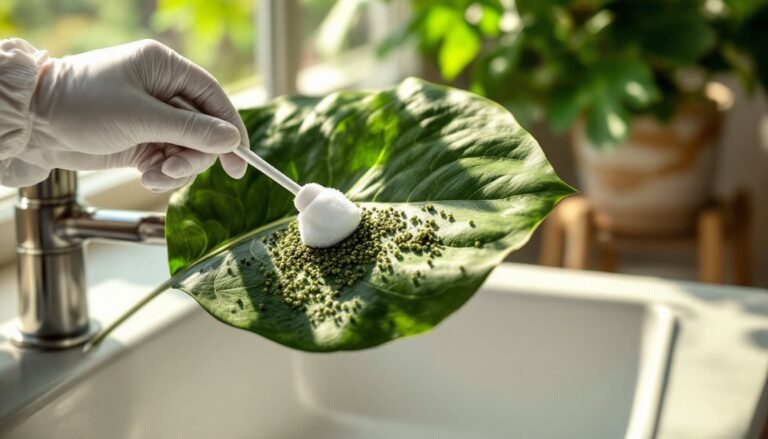
Skipping the occasional wipe-down or pruning lets dust accumulate and growth become leggy. Once or twice a year, gently wipe larger-leafed plants with a soft, damp cloth. Pinch back or prune trailing plants when they get rangy, this encourages fuller, bushier growth. The Spruce and Sunset both offer detailed guidance on seasonal plant care that complements this practical foundation.
Conclusion
Low-maintenance indoor plants transform homes without demanding perfection. Snake plants, pothos, ZZ plants, and peace lilies are the reliable workhorses that deliver results even when life gets hectic. Pair solid plant choices with basic care, good drainage, occasional watering, stable light, and you’ll see success. Start with one or two hardy species, build your confidence, and expand from there. Your home will be greener, the air cleaner, and your schedule less complicated.