Table of Contents
ToggleWhether you’re staring at bare walls or looking to refresh a tired corner, indoor plants are one of the most practical investments you can make. They don’t require a contractor, a permit, or years of horticultural knowledge. A living room or bedroom with even a few green plants feels less like a staged photo and more like a place people actually want to spend time. In 2026, as more homeowners focus on creating healthier indoor environments, the case for indoor plants goes beyond aesthetics, it’s about air quality, stress relief, and turning neglected spaces into living, breathing rooms that work for you.
Key Takeaways
- Green plants indoor improve air quality by absorbing carbon dioxide and trapping particulates, while reducing stress levels by up to 15% according to recent research.
- Low-maintenance indoor plants like pothos, snake plants, and succulents are perfect for busy homeowners because they tolerate neglect and require minimal care beyond occasional watering.
- Success with indoor plants depends on matching light and watering to your actual lifestyle: water only when soil is dry one inch down, and choose plants suited to your home’s natural light conditions.
- Strategic placement of indoor plants transforms room aesthetics by creating visual interest through varied heights and cascading foliage, while serving as a one-time investment that appreciates over years.
- Starting with a single pothos or snake plant in decent light is the best approach to building confidence before expanding your indoor plant collection.
Why Indoor Plants Matter More Than Ever
The shift toward green living isn’t just feel-good marketing. Real benefits exist, and they’re backed by measurable outcomes. Plants actively filter air by absorbing carbon dioxide and releasing oxygen, reducing indoor air stagnation. They also trap particulates on their leaves and roots, functioning as a passive air purification system throughout the day.
Beyond air quality, living plants reduce stress and improve focus. A 2024 study from the Journal of Environmental Psychology found that people working in spaces with plants reported 15% lower stress levels and 20% better concentration. For homeowners, that translates to a calmer living environment without medication or ongoing monthly costs.
Financially, indoor plants are a one-time purchase with minimal upkeep. Unlike furniture or decor that trends out, a thriving pothos or snake plant becomes a permanent fixture that actually appreciates in value, and maturity, over years. They’re also scalable: you can start with one and expand as your confidence grows.
The Best Low-Maintenance Indoor Plants for Busy Homeowners
If you’re hesitant because you’ve killed plants before, stop. Failure usually comes from overthinking, not negligence.
Pothos, Snake Plants, and Succulents
Pothos (also called Devil’s Ivy) is the workhorse of indoor plants. It tolerates low to medium light, thrives in standard room humidity, and actually prefers slightly dry soil between waterings. Place it on a shelf, hang it in a trailing basket, or let it climb a moss pole, it adapts to any situation. A pothos won’t forgive daily soaking, but it handles neglect better than most plants.
Snake plants (Sansevieria) are near-indestructible. They survive in low light and prefer infrequent watering: in fact, overwatering is the only way to kill them. They grow slowly, stay compact, and add vertical interest to desks, entryways, or bedroom corners. Beginners often underestimate snake plants, but they’re your insurance policy against failure.
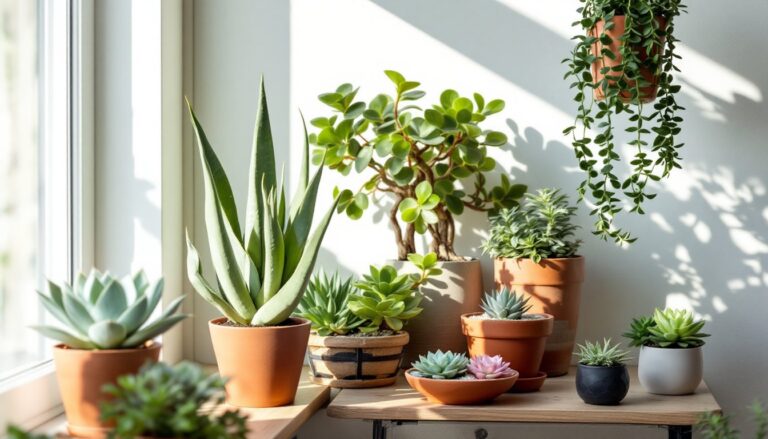
Succulents, particularly echeveria, jade plants, and sedum varieties, are engineered for low-water environments. Their thick leaves store moisture, so they need watering only every two to three weeks. Place them in bright indirect light or near a window. Common succulent house plants include compact varieties perfect for shelves and windowsills. The trade-off is that succulents need well-draining soil (regular potting soil works, but cactus or succulent mix is better) and struggle in high-humidity bathrooms.
For busy homeowners, the rule is simple: if you forget to water for two weeks, choose pothos or snake plants. If you have a bright window and consistent schedule, succulents are your answer. Beautiful house plants work best when matched to your actual lifestyle, not your aspirational one.
Essential Care Tips for Thriving Indoor Plants
Lighting, Watering, and Humidity Essentials
Lighting is the first dial to turn. Most indoor plants prefer bright, indirect light, think a few feet back from an east or west-facing window, or near a north-facing window. Direct sun can scorch foliage: too little light causes weak, leggy growth. If your apartment gets minimal natural light, pothos and snake plants still survive, though growth slows. A simple test: if you can read a book comfortably in that corner without a lamp, the light is adequate.
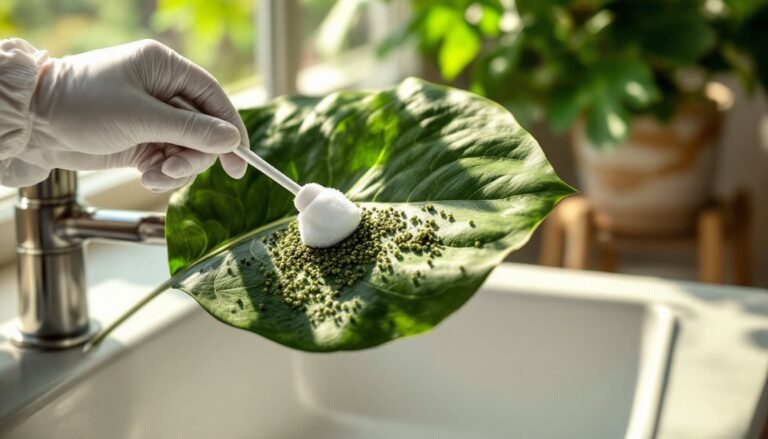
Watering is where most people fail. The rule isn’t “water weekly”, it’s “water when the soil is dry one inch down.” Stick your finger into the soil: if it feels moist, wait. For pothos and snake plants, soil can dry almost completely between waterings. Use room-temperature water and water until it drains from the bottom. Never let plants sit in standing water: empty saucers after 10 minutes. How to Get Rid of Gnats from House Plants covers the pest issues that arise from soggy soil, prevention beats treatment every time.
Humidity varies by plant. Pothos and snake plants tolerate average room humidity (40–50%). Succulents prefer it dry. If your home is arid (especially with winter heating), group plants together to create a micro-humid zone, mist foliage lightly once a week, or place plants on a pebble tray with a shallow water basin beneath (water evaporates without wetting roots).
Rotate plants a quarter turn every two weeks so all sides receive light and growth stays balanced. In spring and summer, feed with half-strength diluted liquid fertilizer every three to four weeks, most common house plants need minimal nutrients if soil is fresh. Repot only when roots crowd the drainage holes, usually every 12–18 months.
Designing With Plants: Interior Decor Inspiration
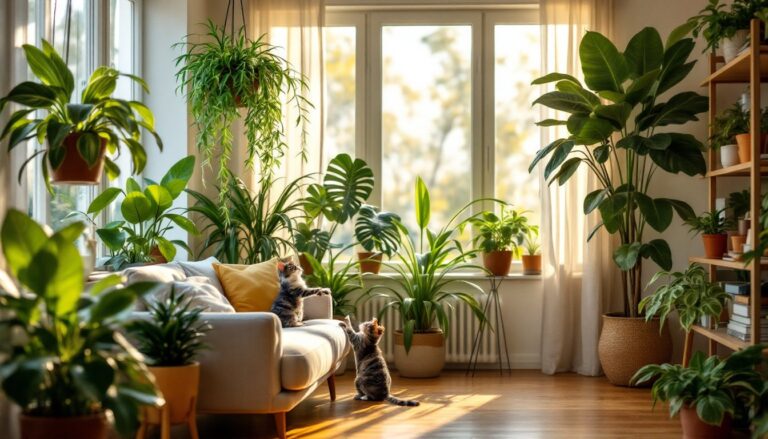
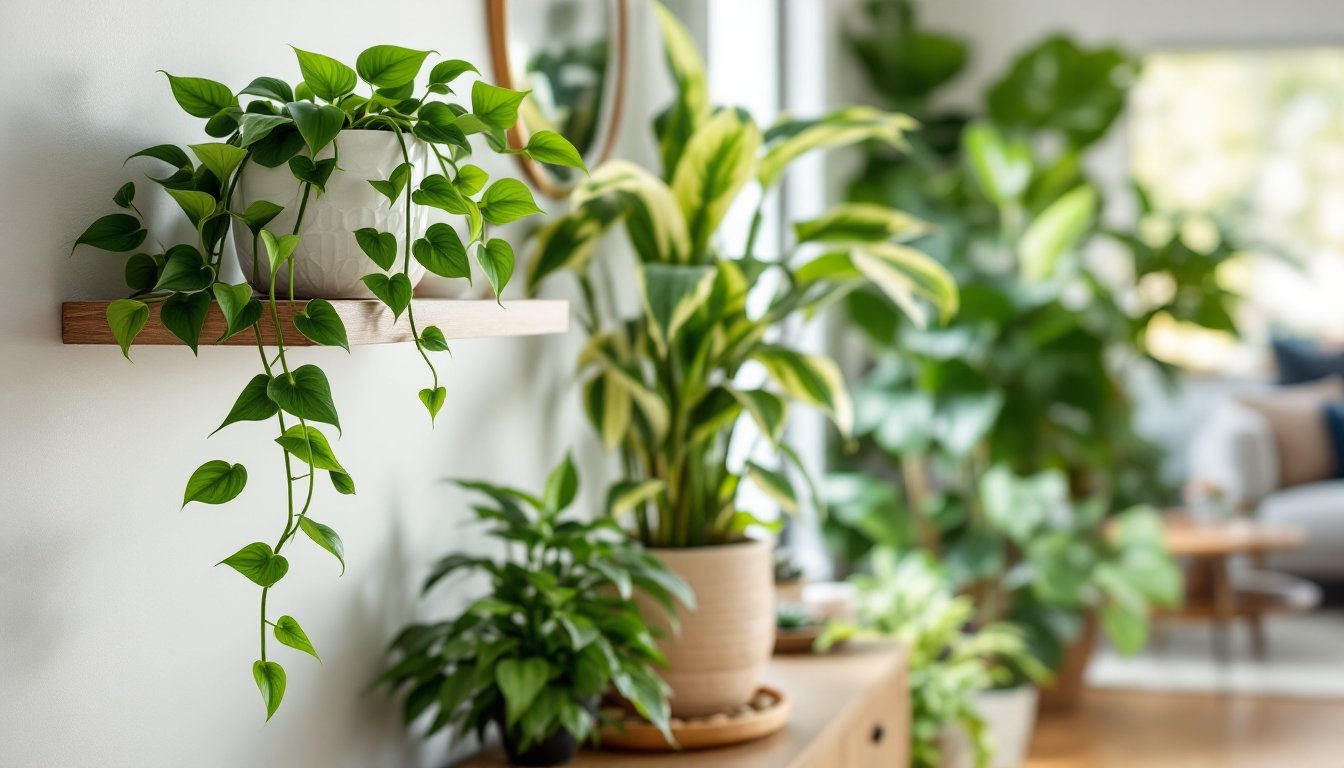
Green living isn’t just functional, it transforms a room aesthetically. A trailing pothos cascading from floating shelves softens hard lines and draws the eye upward, making ceilings feel higher. Clustered potted plants at different heights create visual rhythm: a tall snake plant anchors corners, while low succulents fill shelving gaps.
Consider placement like a designer would. Entryways benefit from bold, structural plants (a large pothos or snake plant signals care and intentionality). Bedrooms thrive with low-light tolerant plants that don’t demand attention, peace and simplicity matter more there. Living rooms and offices are where you can experiment: hanging viney house plants add movement, tabletop succulents offer texture, and cheap house plants let you fill space without financial risk.
Pot selection matters too. A ceramic pot with drainage holes is non-negotiable for health: beyond that, choose sizes and colors that complement your décor. Terracotta breathes but dries fast, ideal for succulents. Glazed ceramic holds moisture longer, suiting pothos. Match earthy or minimal pots to your home’s aesthetic rather than defaulting to the nursery plastic.
Northern or western homes with strong seasonal light changes benefit from plants on rolling plant stands or lightweight shelving you can reposition as seasons shift. Inspiration sources like Sunset and Gardenista showcase integrated plant styling in actual homes, not just magazine spreads. Real rooms balance aesthetics with the practical rhythms of watering, feeding, and light management.
Conclusion
Adding indoor plants to your home isn’t a project that requires planning permits, contractor estimates, or months of labor. Start small, grab a single pothos or snake plant, place it in decent light, and water when soil feels dry. Success builds confidence. As you dial in your light and watering rhythms, expand your collection based on what thrives in your specific home. A 2026 approach to green living is about matching plants to real life, not forcing aspirational designs that demand daily attention. Your living space, and your mind, will thank you.